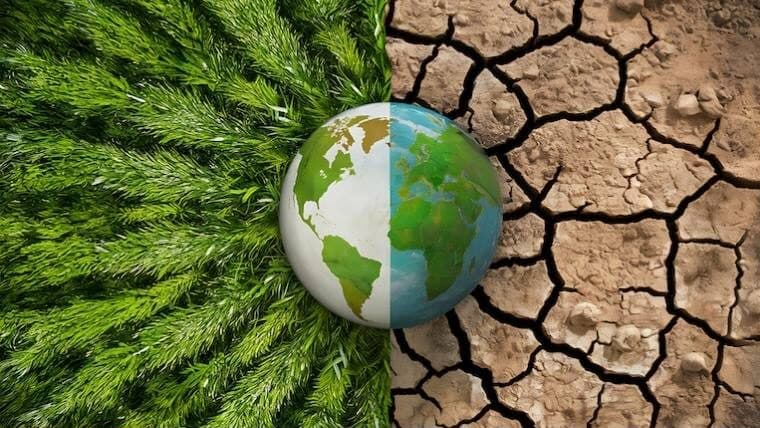
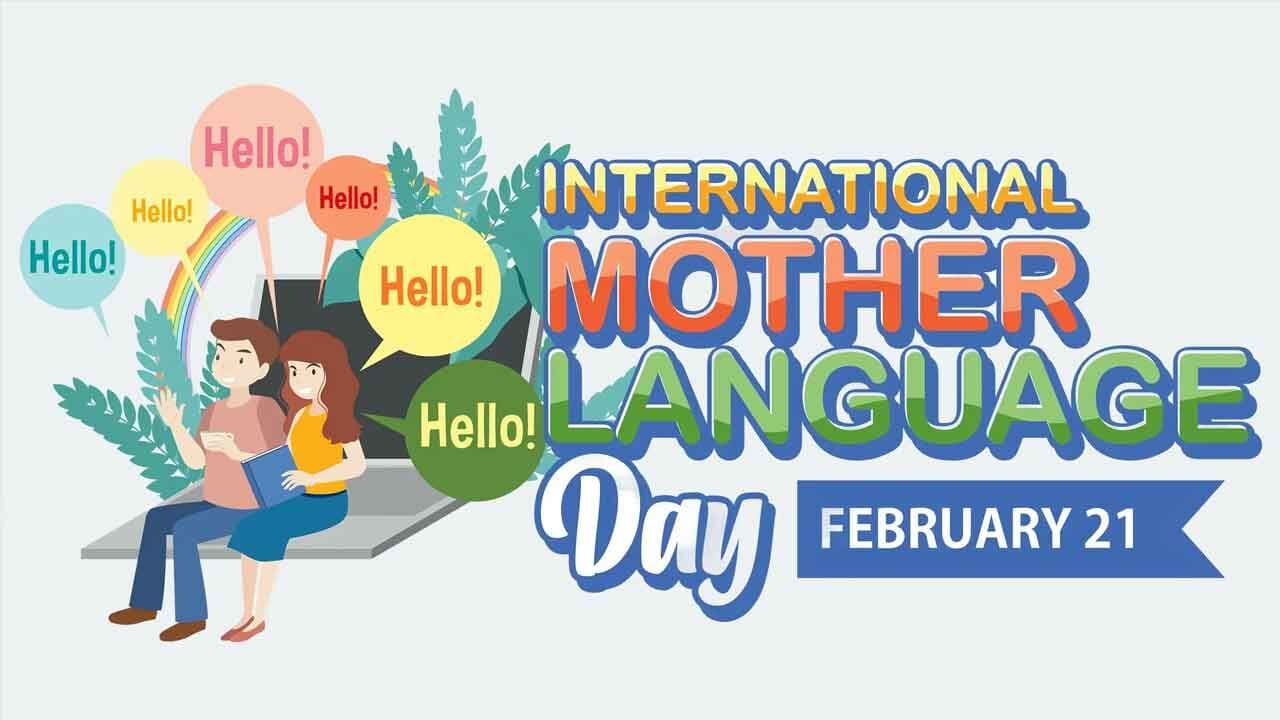
Youth Lead Global Push for Multilingual Education to Save Endangered Languages and Indigenous Environmental Knowledge on International Mother Language Day
Key Takeaways
- 2026 theme centers youth voices on multilingual education
- Protecting mother tongues preserves indigenous environmental knowledge and cultural identity
- Communities worldwide held events honoring language martyrs and celebrating linguistic pride on Feb 21
Youth-led push for multilingualism
On International Mother Language Day (21 February), youth-led efforts are front and centre in a global push for multilingual education and for saving endangered languages.
“February 21 is World Mother Language Day”
Social platforms have become primary stages.

Users share short status messages, graphics and images on WhatsApp, Facebook and Instagram to celebrate linguistic roots and promote multilingualism.
Young people are highlighted as taking leadership in digital innovation and community organising to raise awareness about disappearing tongues.
The day’s theme and activities link online mobilisation with calls for formal education reform to keep languages alive for future generations.
Language loss and responses
Al Jazeera, citing Ethnologue-derived figures, reports roughly 7,159 languages exist worldwide, with 3,193 (44%) classified as endangered and about 88.1 million people speaking an endangered language as their mother tongue.
The Hans India reiterates the urgency by reporting linguists' warnings that many languages are disappearing, which fuels youth and community campaigns.

The Ukhrul Times links language loss directly to the erosion of indigenous knowledge and ecological balance in communities that rely on mother tongues to transmit traditional environmental practices.
Youth language revival strategies
Youth strategies emphasise a mix of community education, school-based multilingual curricula and digital tools.
“Home»International»Bangladesh: Students, activists pay tribute to language martyrs at Dhaka University on International Mother Language Day Posted By:GopiFebruary 21, 2026 Dhaka, Feb 21 (SocialNews”
The Hans India highlights digital innovation and young people sharing content online to build awareness.
Al Jazeera documents specific revival work, for example Australia’s Yugambeh language being revived through community programmes and learning apps aimed at younger learners.
The Ukhrul Times stresses that multilingual education under the Youth voices theme is intended to safeguard not only language but also the indigenous knowledge systems embedded in those tongues.
Multilingual education and policy
Advocates and the three sources converge on policy prescriptions, arguing that governments, educators and communities must act.
The Hans India explicitly calls for action from those actors and highlights youth leadership and multilingual education as key levers.
Al Jazeera highlights the structural cause of language endangerment as community language shift to dominant tongues when children stop learning them, and implies education and policy change are necessary.
Ukhrul Times reiterates the theme's focus on multilingual education as critical to preserving both language and community ecological knowledge.
Youth-led language revival
Taken together, the coverage shows aligned priorities across source types.
“Published on INTERNATIONAL MOTHER LANGUAGE Day is observed on February 21 since 2000 to promote the linguistic diversity and multilingual education to protect cultural heritage and indigenous knowledge”
Youth-driven digital and educational initiatives signal practical pathways to revive endangered languages and preserve indigenous environmental knowledge, while Al Jazeera's statistics outline the scale and urgency.
There are no explicit contradictions among the pieces, as they differ mainly in emphasis: data-driven scope, digital mobilisation, and cultural-ecological framing.
That variety of focus supplies complementary evidence for a global youth-led strategy anchored in multilingual education, community programmes and digital innovation.
More on Other

U.S. Bans Cuba From Receiving Russian Oil as Two Tankers Head to Cuba
17 sources compared
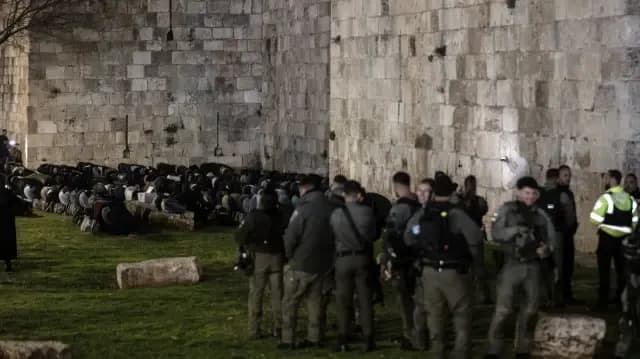
Israel Bans Eid Prayers at Al-Aqsa Mosque in Occupied East Jerusalem.
10 sources compared
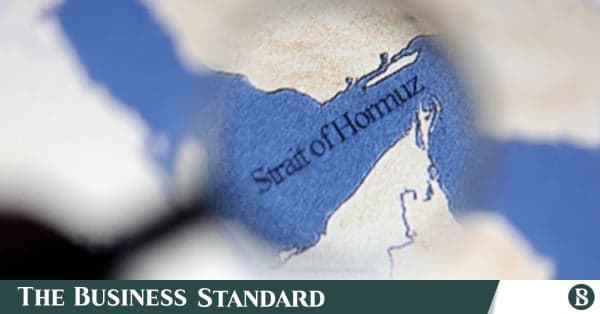
Iran triggers Strait of Hormuz closure, disrupting India's LPG market and destabilizing energy supplies.
14 sources compared

Cuban Border Guards Shoot Dead Occupants of Florida-Registered Speedboat; Reports Vary on Death Toll
73 sources compared