
U.S. Bans Cuba From Receiving Russian Oil as Two Tankers Head to Cuba
Key Takeaways
- Two Russian tankers head to Cuba with about 700,000 barrels.
- U.S. Treasury bans Cuba from receiving Russian crude under OFAC.
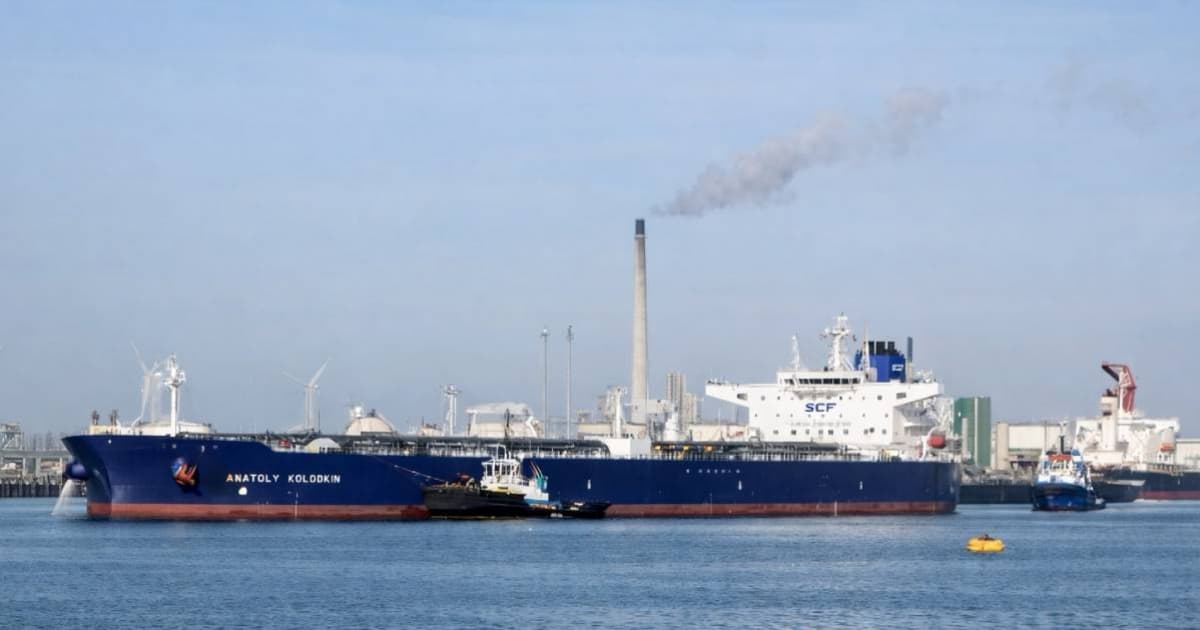
- Anatoly Kolodkin carries Russian oil bound for Matanzas.
U.S. Oil Ban
The U.S. Treasury Department has imposed a comprehensive ban on Cuba receiving Russian oil.
“Russia defies Trump and sends oil to Cuba on sanctioned ships amid an energy crisis”
The Treasury's Office of Foreign Assets Control (OFAC) issued a general license adding Cuba to a list of countries blocked from transactions involving Russian crude or petroleum products.

This move comes amid Cuba's severe energy crisis, with the government announcing it has operated without oil shipments for three months due to the U.S. energy blockade.
The crisis has led to widespread blackouts, hospitals suspending procedures, and an economy virtually at standstill as fuel shortages cripple the island's crumbling power grid.
Cuba's internal oil production covers only about 40% of its consumption needs, leaving the nation vulnerable to external supply disruptions.
Tanker Evasion Tactics
Two tankers are reportedly en route to Cuba carrying Russian fuel despite the U.S. ban.
The Russian-flagged Anatoly Kolodkin, carrying approximately 730,000 barrels of crude oil, is about 3,000 nautical miles from Cuba and expected to arrive within 10 days.

A second vessel, the Hong Kong-flagged Sea Horse, is transporting around 200,000 barrels of diesel.
Both vessels have employed deceptive navigation practices, including manipulating their Automatic Identification System (AIS) signals and changing declared destinations to mask their true routes.
The Sea Horse has turned off its satellite tracking devices for extended periods and lacks Western insurance, indicating deliberate efforts to operate outside normal financial and legal oversight channels.
Geopolitical Context
The current crisis stems from intensified U.S. pressure following the capture of Venezuelan President Nicolás Maduro on January 3, which cut off Cuba's primary energy source.
“Cuba readies for first Russian oil shipment of the year as energy crisis deepens HAVANA (AP) — Cuba is preparing to receive its first shipment of Russian oil this year, just days after the government announced it was operating on natural gas, solar power and thermoelectric plants as severe power outages continue to hit an island whose power grid is crumbling”
After Maduro's capture, the Trump administration hardened its stance toward Cuba, cutting access to traditional oil supplies and pressuring third countries like Mexico to suspend shipments.
Mexico had been providing Cuba with fuel from the port of Pajaritos, but suspended deliveries after intensified diplomatic and commercial pressure from Washington.
Since then, Cuba's oil supply has depended entirely on its ability to circumvent the international blockade.
The Financial Times reports that Cuba internally produces only about 40% of the oil it consumes, with the remainder historically imported mainly from Venezuela, Mexico, and to a lesser extent, Russia.
Political Rhetoric
The approaching Russian vessels represent a direct challenge to the Trump administration, which has threatened severe consequences against Cuba.
President Trump has suggested potential military action, stating at the White House: 'I could do anything I want with it... They're a very weakened nation right now.'
This rhetoric has prompted strong responses from Cuban leadership.
President Miguel Díaz-Canel declared that any U.S. aggression would be met with 'impregnable resistance,' while Foreign Minister Bruno Rodríguez condemned Washington for trying to destroy Cuba's constitutional order.
Meanwhile, the U.S. Southern Command has clarified it is not rehearsing an invasion but is prepared to defend its embassy, Guantanamo Bay base, and manage potential mass migration from the island nation.
Crisis Impact
The potential arrival of the Russian oil shipments could provide critical short-term relief for Cuba's crisis but faces significant uncertainties.
Analysts estimate that the Anatoly Kolodkin's 730,000 barrels of crude could produce approximately 180,000 barrels of diesel, enough to meet Cuba's daily needs for about 9-10 days.

The Sea Horse's 200,000 barrels of diesel would cover roughly 10 days of consumption at Cuba's rate of 20,000 barrels per day, though low storage inventories mean the fuel may be directed primarily to critical sectors like transportation and agriculture.
Meanwhile, Cuba has implemented desperate measures to cope with the energy shortage, with mechanics modifying vehicles to run on charcoal and authorities prioritizing electric vehicles for essential services like healthcare and funeral services.
More on Other

Israel Bans Eid Prayers at Al-Aqsa Mosque in Occupied East Jerusalem.
10 sources compared
Iran triggers Strait of Hormuz closure, disrupting India's LPG market and destabilizing energy supplies.
14 sources compared

Cuban Border Guards Shoot Dead Occupants of Florida-Registered Speedboat; Reports Vary on Death Toll
73 sources compared

Settler Shoots Dead 19-Year-Old Palestinian-American in Mukhmas, West Bank
14 sources compared