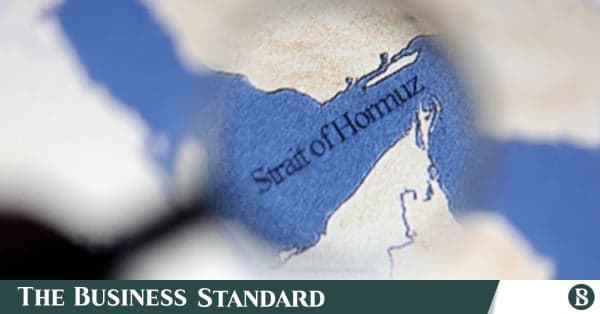
Iran triggers Strait of Hormuz closure, disrupting India's LPG market and destabilizing energy supplies.
Key Takeaways
- About 90–100 ships cross the Strait of Hormuz despite ongoing conflict.
- Maritime traffic remains severely constrained, with controlled transit rather than normal flow.
- Global energy markets show disruption from Hormuz closure, affecting oil shipments and prices.
Hormuz Disruption Overview
Iran has effectively imposed a selective closure of the Strait of Hormuz since early March 2026.
The strategic waterway carries approximately one-fifth of the world's oil and liquefied natural gas.
The disruption followed the outbreak of war between the U.S.-Israel coalition and Iran.
Iranian forces have attacked multiple vessels and implemented a targeted blockade.
Only a narrow set of movements is allowed while Iran continues to export its own oil.
Maritime traffic has been forced to a near-standstill since the conflict began.
India's LPG Crisis
India faces particularly severe consequences due to its 90% dependence on Middle Eastern energy supplies.
The primary cooking fuel for about 60% of Indian households relies on LPG.
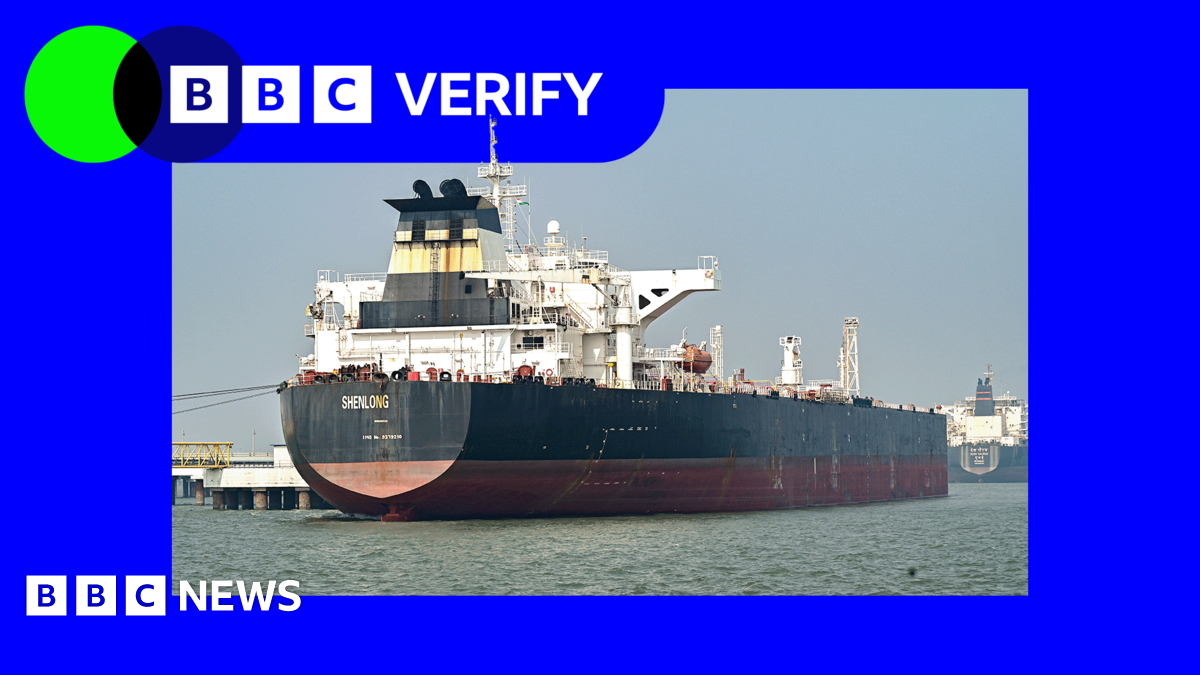
Panic buying has surged, with LPG bookings jumping from 5.5 million to 7.6 million daily requests.
Restaurants are closing or reducing menus due to LPG shortages.
Hotels are scaling back operations and food-processing plants have halted production.
Authorities have prioritized LPG distribution to households, hospitals, and schools.
Global Market Impacts
Global energy markets have reacted sharply with significant price increases.
“"While importing many fertilizer commodities, U”
WTI crude was trading at $96.50 per barrel and Brent crude at $108.56 per barrel by March 20, 2026.
Natural gas prices reached $3.05 per MMBtu, reflecting regional supply security perceptions.
Historical analysis shows oil price spikes of $20-40 per barrel typically occur within 24-48 hours of closure events.
The International Energy Agency announced an unprecedented coordinated release of 400 million barrels from emergency reserves across 32 member countries.
This represents the largest emergency intervention in IEA history.
Diplomatic Responses
Iran has moved to institutionalize control by proposing transit fees and taxes on Hormuz usage.
Lawmakers in Tehran are examining a plan requiring toll payments from countries using the strait.

Parliament Speaker Mohammad Bagher Ghalibaf stated traffic will 'not return to its pre-war status.'
Diplomatic efforts have intensified with India negotiating passage for some vessels.
U.S. President Donald Trump has urged allies to deploy naval forces to reopen the route.
Iran continues to allow passage from countries it considers friendly while blocking others.
India's Alternatives
India is scrambling to find alternative energy sources to replace disrupted Middle Eastern LPG supplies.
“TEHRAN: Iranian lawmakers have proposed a plan to impose tolls and taxes on ships passing through the strategic Strait of Hormuz, local media reported on Thursday”
The government has ramped up domestic LPG output to 1.12 million tonnes in January 2026.
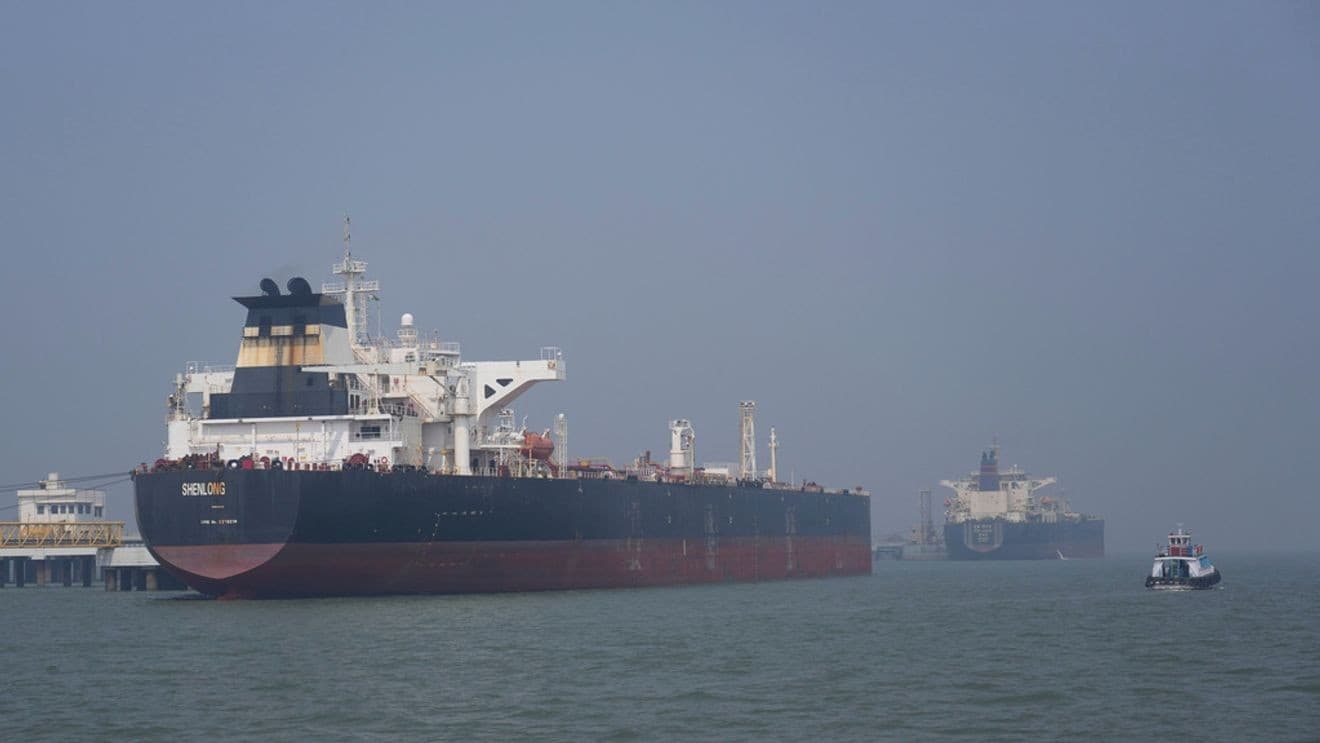
Emergency directives have increased domestic production by about 30% within weeks.
India is seeking replacement supplies from the U.S., Norway, Canada, and Russia.
U.S. LPG would cost roughly 50% more than Middle Eastern supplies.
Russia lacks maritime infrastructure for large-volume shipments to India.
Unless normal shipping resumes soon, India may face extended fuel rationing and industrial slowdowns.
More on Other

U.S. Bans Cuba From Receiving Russian Oil as Two Tankers Head to Cuba
17 sources compared

Israel Bans Eid Prayers at Al-Aqsa Mosque in Occupied East Jerusalem.
10 sources compared

Cuban Border Guards Shoot Dead Occupants of Florida-Registered Speedboat; Reports Vary on Death Toll
73 sources compared

Settler Shoots Dead 19-Year-Old Palestinian-American in Mukhmas, West Bank
14 sources compared