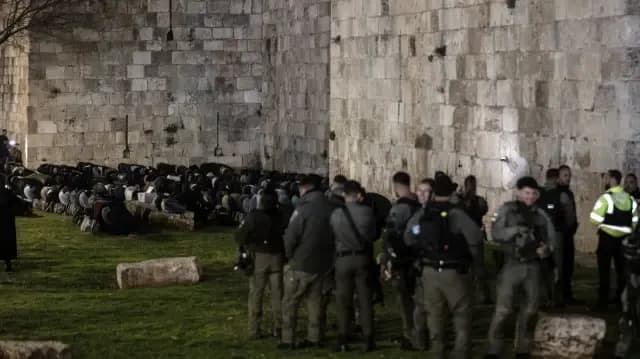
Israel Bans Eid Prayers at Al-Aqsa Mosque in Occupied East Jerusalem.
Key Takeaways
- Israeli authorities banned Eid al-Fitr prayers at Al-Aqsa Mosque in occupied East Jerusalem.
- Worshippers prayed along roadsides near the mosque due to the closure.
- The closure has persisted for about three weeks, keeping Al-Aqsa closed through Eid.
Eid Prayer Ban
Israeli authorities have imposed a comprehensive ban on Eid al-Fitr prayers at Al-Aqsa Mosque in occupied East Jerusalem.
“Worshippers prayed outside Jerusalem’s Old City walls as they observed Eid al-Fitr prayers on Friday”
This restriction was cited as security measures amid the ongoing war against Iran.

The ban prevented Muslims from accessing one of Islam's holiest sites during the final days of Ramadan.
Palestinian religious leaders and community members urged worshippers to gather near the Old City.
They called for prayers to be performed as close to Al-Aqsa as possible in peaceful resistance.
The ban represents a significant escalation in Israeli control over Palestinian religious freedom.
Palestinian Resistance
Despite the ban, Palestinians demonstrated resilience by gathering at strategic locations near Al-Aqsa.
Worshippers specifically gathered at Bab al-Amud (Damascus Gate) and Bab al-Sahira (Herod's Gate).
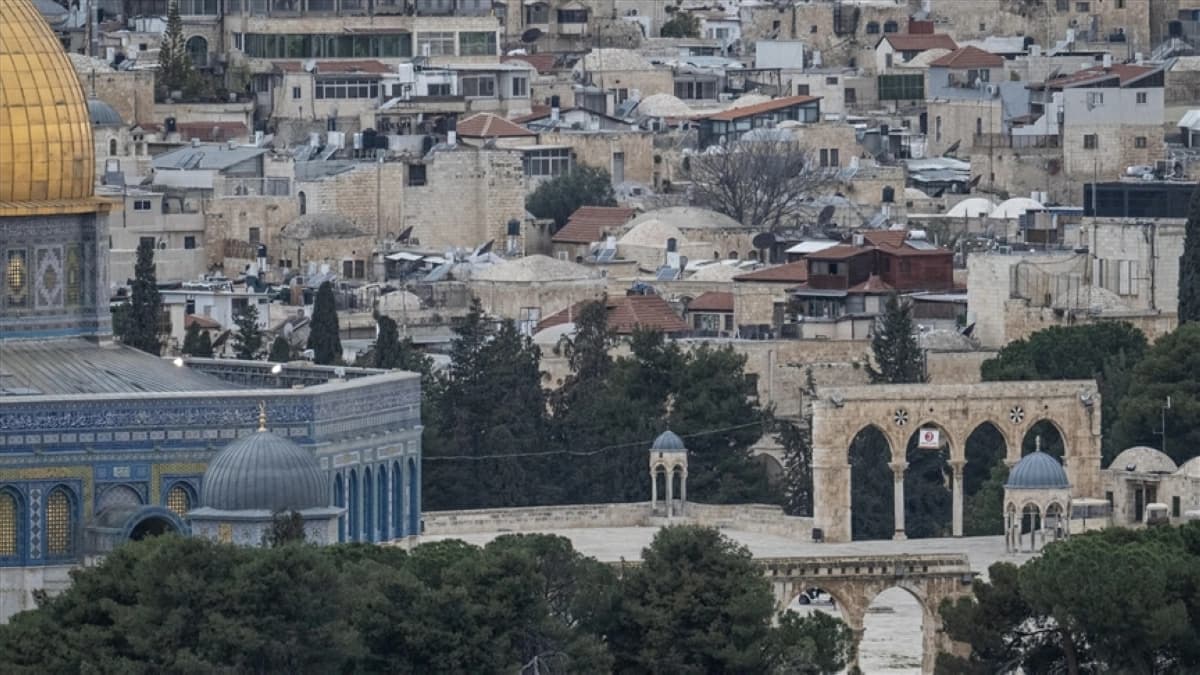
These locations represent the closest points to the mosque compound accessible under Israeli restrictions.
Israeli occupation forces responded with heavy security measures, using tear gas and concussion bombs.
At least one worshipper was detained from Salahuddin Street by occupation forces.
The Jerusalem Governorate condemned these actions as dangerous and unprecedented escalation.
Sheikh Ekrima Sabri issued a religious ruling urging Muslims to pray at closest possible point to the mosque.
Economic Impact
The Israeli restrictions transformed occupied East Jerusalem into a somber environment during Eid.
The Old City, normally filled with Palestinians before Eid, was eerily quiet, resembling a ghost town.
Israel implemented access restrictions under an assembly ban throughout the area.
Palestinian shopkeepers were prevented from opening stores except pharmacies and essential food shops.
These measures have pushed Palestinian traders into acute economic hardship.
More than 25 Waqf employees have been denied entry to the mosque compound.
Tarawih prayers and i'tikaf during the last ten nights of Ramadan were completely prevented inside the Mosque.
This represents an unprecedented move since the 1967 occupation of Jerusalem.
International Condemnation
The international community has strongly condemned Israel's ban on Eid prayers at Al-Aqsa Mosque.
The Arab League described the closure as a 'blatant violation of international law'.
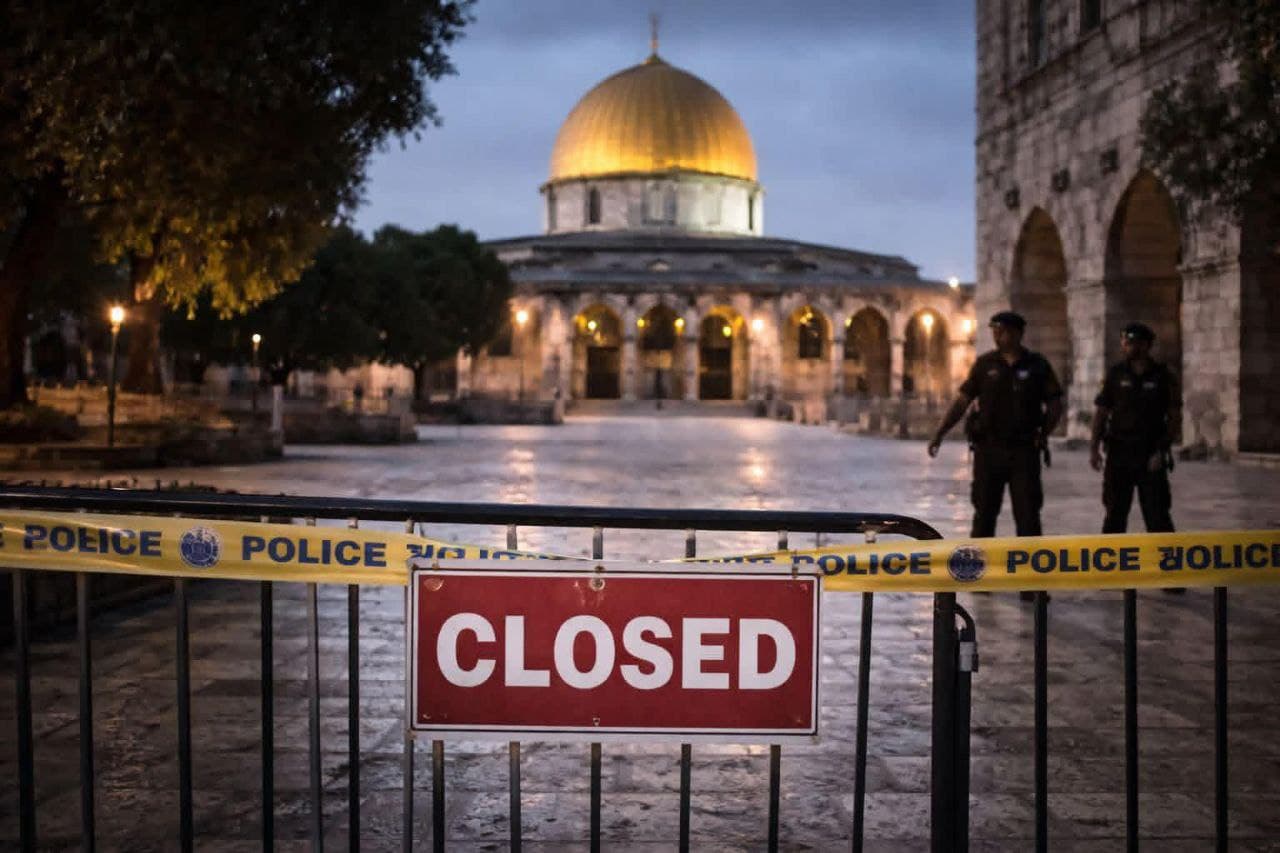
The statement warned it risked undermining freedom of worship and inflaming regional tensions.
The Organisation of Islamic Cooperation, League of Arab States, and African Union Commission issued a joint condemnation.
They stated the closure constitutes a 'grave violation of the existing historical and legal status quo'.
The joint statement emphasized Israel bears full responsibility for consequences of these measures.
They warned the closure portends escalation of violence and threatens regional peace and security.
Religious Rights Under Attack
The closure represents an unprecedented assault on Palestinian religious rights in Jerusalem.
“Thu 19-March-2026 Thursday 19-March-2026 OCCUPIED JERUSALEM, (PIC) Israeli occupation authorities have continued the full closure of the Aqsa Mosque for the 20th consecutive day on Thursday, preventing worshipers from entering the site, with authorities confirming the shutdown will remain in place until the end of Eid al-Fitr”
Khalil Assali described the mosque's closure as 'a catastrophe for Palestinians.'

He noted that Israelis chase away young Palestinians praying near al-Aqsa mosque.
The Jerusalem Governorate warned of escalating incitement by extremist 'Temple' groups.
Israeli restrictions on worshippers and guards have intensified, blocking access to nearby areas.
The closure coincides with a broader Israeli lockdown across the West Bank.
This indicates a comprehensive strategy of restricting Palestinian movement and worship rights.
More on Other

U.S. Bans Cuba From Receiving Russian Oil as Two Tankers Head to Cuba
17 sources compared
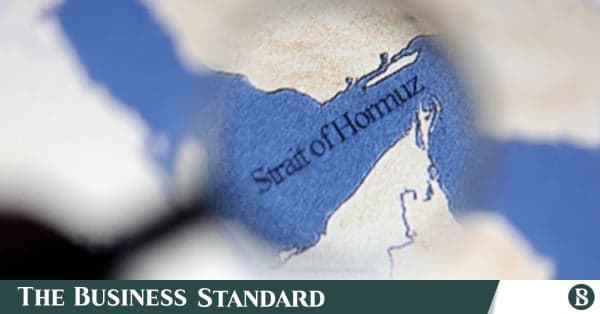
Iran triggers Strait of Hormuz closure, disrupting India's LPG market and destabilizing energy supplies.
14 sources compared

Cuban Border Guards Shoot Dead Occupants of Florida-Registered Speedboat; Reports Vary on Death Toll
73 sources compared

Settler Shoots Dead 19-Year-Old Palestinian-American in Mukhmas, West Bank
14 sources compared