
Iran Attacks Energy Infrastructure Across Middle East, Spurs Oil Price Surge
Key Takeaways
- Iranian attacks hit energy facilities in Qatar and other Middle East sites.
- European natural gas prices jumped about 30% amid supply-disruption fears.
- Brent crude rose to roughly $116 per barrel as markets priced risk.
Attack Escalation
Iran launched coordinated missile attacks on energy infrastructure across the Middle East.
“Jean-François Di Meglio is the president of the Asia Centre research institute”
The attacks targeted Qatar's Ras Laffan Industrial City in response to Israeli strikes.

The Israeli strike hit Iran's South Pars gas field, the world's largest natural gas field.
The Iranian strikes caused extensive damage to Qatar's LNG export facilities.
Qatar's facilities account for approximately 20% of global LNG supply.
The initial Israeli attack was the first targeting of upstream Iranian gas infrastructure since the conflict began.
QatarEnergy confirmed the bombardments eliminated 17% of Qatar's LNG shipping capabilities.
Two of Qatar's 14 LNG production trains and one gas-to-liquids facility were damaged.
Market Reactions
The attacks triggered immediate and severe market reactions.
International benchmark Brent crude briefly topped $118 per barrel before retreating to $113.
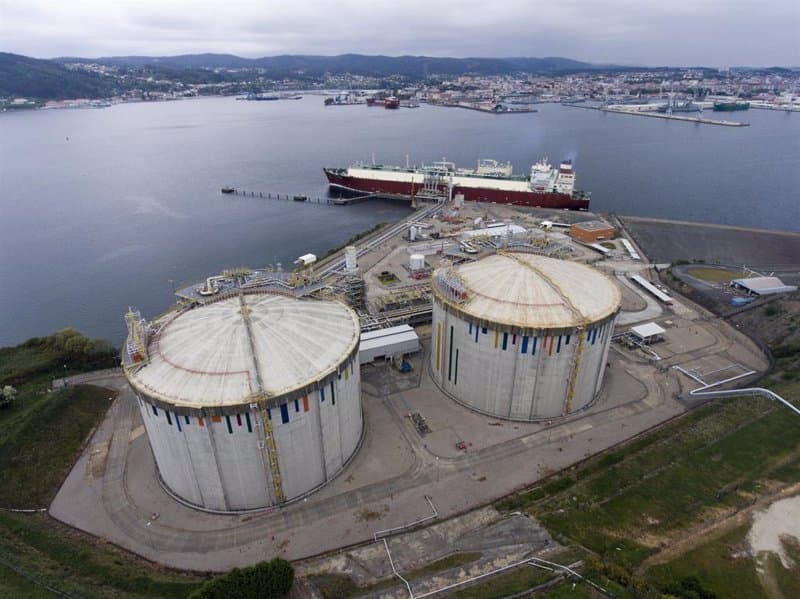
European gas prices spiked more than 30% to €71.70 per megawatt-hour.
This gas price level reached its highest point since December 2022.
The spread between Brent and US benchmark WTI futures widened significantly.
WTI futures climbed modestly to $95.80, reflecting localized disruption effects.
Europe, Asia, and the Middle East were hit harder by the Brent price surge.
Global equities fell sharply with Japan's Nikkei closing 3.4% lower.
Europe's STOXX 600 declined 1.9% amid fears of a global supply crisis.
Market analysts warned the situation could evolve from logistical to supply problems.
Strategic Response
President Trump distanced the United States from the Israeli targeting of South Pars.
“American liquefied natural gas companies saw stock prices jump Thursday following reports that Iranian attacks damaged Qatar's energy infrastructure”
In a Truth Social post, Trump stated the US wasn't involved in the South Pars strike.
Trump also stated no more Israeli attacks would be made on the site.
However, he warned about further Iranian attacks on Qatari LNG facilities.
Trump threatened to 'massively blow up the entirety of the South Pars Gas Field.'
This rhetoric highlighted the strategic importance of regional energy infrastructure.
Additional attacks hit energy facilities across Saudi Arabia, the UAE, and Kuwait.
Tanker movement through the Strait of Hormuz remained largely blocked.
The Strait handles about a fifth of global oil supply.
Industry Winners
American liquefied natural gas companies benefited significantly from the market disruption.
Stock prices soared as Qatar's production losses created advantages for US producers.

Cheniere Energy reached a record-breaking peak during trading.
Cheniere closed up roughly 7% at $285 per share.
Venture Global initially jumped as much as 13% before giving back some gains.
The market surge reflected expectations of Qatar's production losses.
The attacks could remove nearly one-fifth of Qatar's LNG production capacity for up to five years.
This could benefit US producers who could fill the supply gap.
QatarEnergy's CEO Saad al-Kaabi informed Reuters of the production losses.
Damaged facilities would remove 12.8 million metric tons annually for 3-5 years.
Cheniere can export over 51 million metric tons of LNG annually.
Venture Global can handle shipments exceeding 37 million tons.
Long-term Concerns
The conflict-induced energy disruption has created profound long-term market concerns.
“Oil and gas prices jump, stocks slide, after Middle East strikes hit key energy infrastructure Attacks on Iranian and Qatari energy facilities pushed Brent to $118, as Defense Secretary Pete Hegseth offered no deadline on an end to the war in a press conference”
Analysts warn continued attacks could create permanent changes in LNG and natural gas pricing.

The military conflict has caused chaos in worldwide energy markets.
The Strait of Hormuz was essentially closed after the conflict began.
This cut off roughly 20% of global oil transportation.
QatarEnergy was forced to halt LNG deliveries.
Market experts initially predicted temporary price swings.
Now they caution the attacks could permanently alter global energy supply chains.
This could lead to sustained higher prices and reconfigured trade relationships.
The situation has moved from logistical to fundamental supply problems.
This could reshape the global energy landscape for years.
European and Asian markets dependent on Middle Eastern supplies will be particularly affected.
More on Other

U.S. Bans Cuba From Receiving Russian Oil as Two Tankers Head to Cuba
17 sources compared
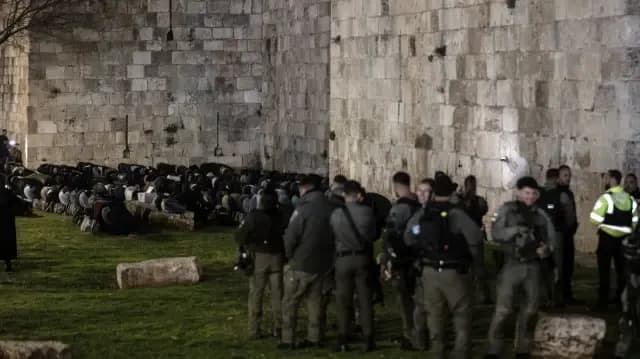
Israel Bans Eid Prayers at Al-Aqsa Mosque in Occupied East Jerusalem.
10 sources compared
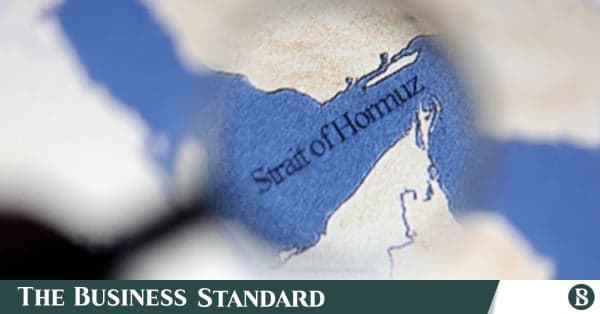
Iran triggers Strait of Hormuz closure, disrupting India's LPG market and destabilizing energy supplies.
14 sources compared

Cuban Border Guards Shoot Dead Occupants of Florida-Registered Speedboat; Reports Vary on Death Toll
73 sources compared