Joseph Aoun Accuses Iran of Using Lebanon as Bargaining Chip in U.S. Talks
Key Takeaways
- Aoun accuses Iran of using Lebanon as a bargaining chip in U.S. talks.
- Lebanon is not Iran's country; Hezbollah does not represent the Lebanese.
- Diplomacy is the only solution; Iran should stay out of Lebanon's affairs.
Aoun vs Iran, Hezbollah
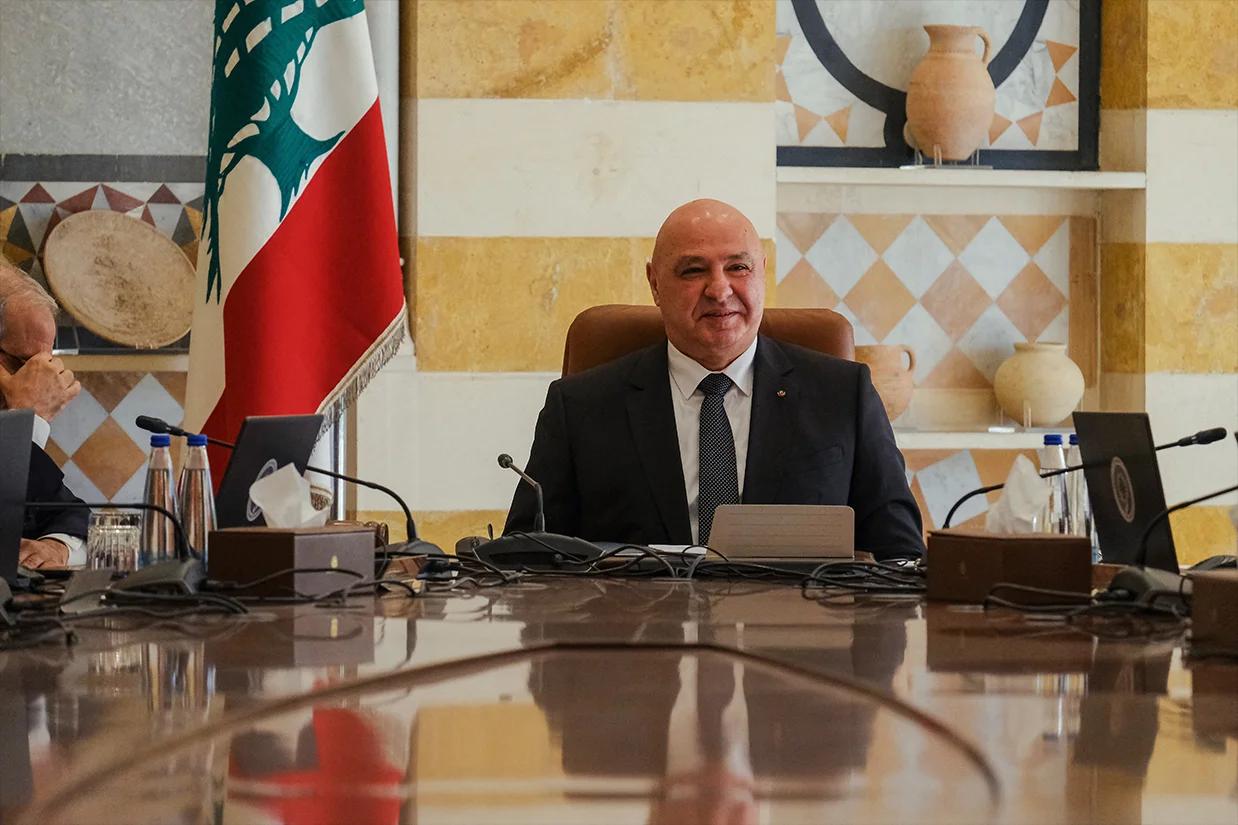
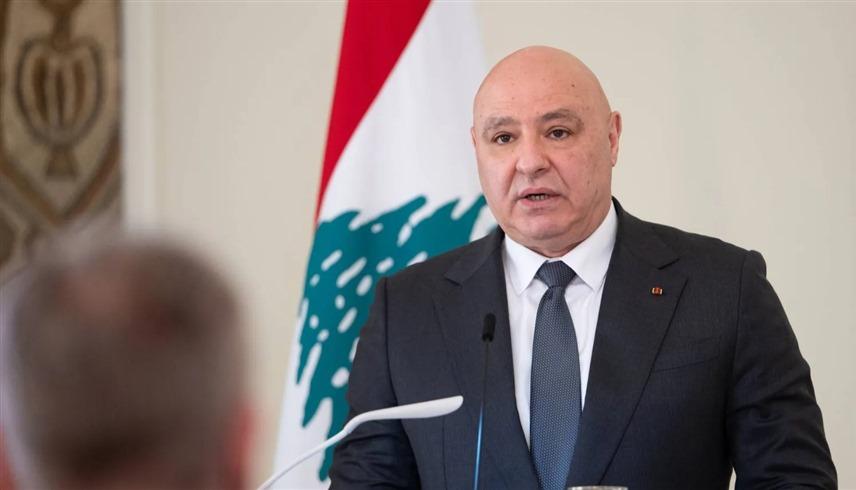
Lebanese President Joseph Aoun used a CNN interview published on Friday to accuse Iran of using Lebanon as a bargaining chip in negotiations with the United States and to argue that the Lebanese people are paying the price for Tehran’s interests.
Aoun told Iran, “You are using Lebanon as a bargaining card in your negotiations with the United States,” and he added, “This is not your country. This is our country.”
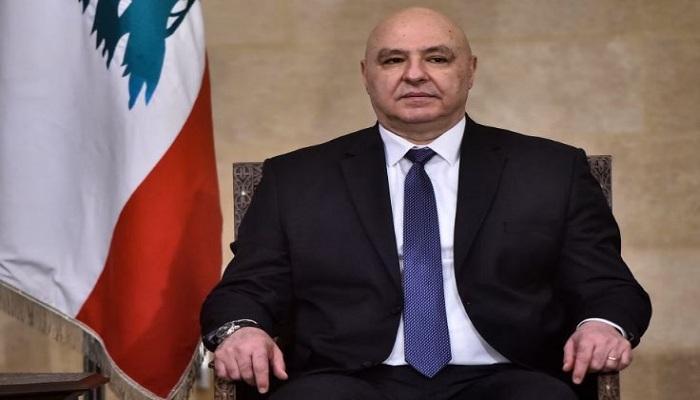
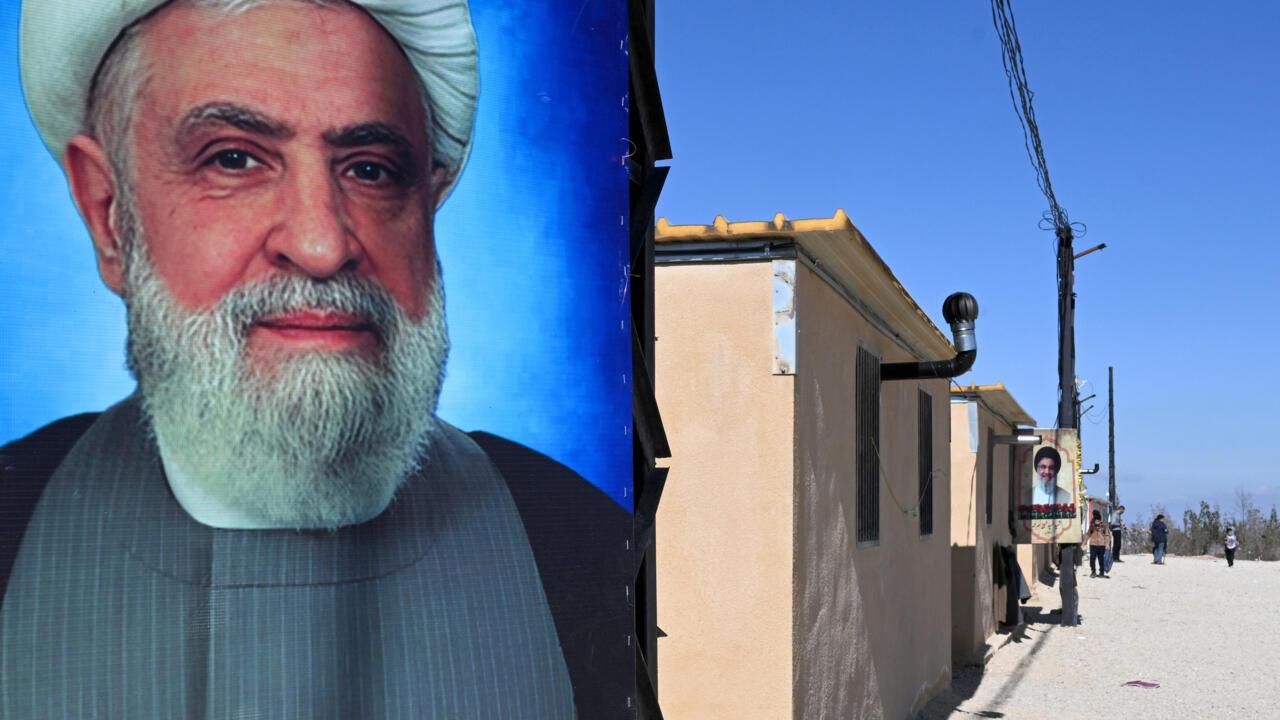
He also directly challenged Hezbollah and its Secretary-General Naim Qassem, saying Qassem does not represent the Lebanese people and pledging to continue efforts to bring all weapons under state control and end the dominance of armed groups outside government authority.
Aoun said he spoke with communities across Lebanon, including many Shiites, and found widespread exhaustion with the conflict, warning that “Lebanese people do not deserve to see their homes destroyed every five or ten years.”
The sources also cite the scale of the war’s impact, with figures in the interview saying more than 3,500 Lebanese have been killed and roughly one in five residents has been displaced.
Hezbollah, Salam weigh in
In the same CNN interview, Aoun told Iran, “It’s unacceptable,” and he said the people of Lebanon are “fed up” with war between Israel and Hezbollah.
The Jerusalem Post reported that Lebanese Prime Minister Nawaf Salam concurred with Aoun’s assessment of Iran, calling it “destruction and ruin” for Lebanon and saying Iran’s rejection of the ceasefire framework was “proof that this is not our war, but one that is being waged on our land and at the expense of our residents.”
The Jerusalem Post also quoted Aoun describing the war as “futile” and saying the Lebanese people are “fed up” with the conflict between Hezbollah and Israel.
On Hezbollah’s side, the sources describe Naim Qassem rejecting the ceasefire arrangement, with the Jerusalem Post quoting him saying talks were tantamount to “surrender,” and adding that he rejected the US-backed ceasefire as “a roadmap for the annihilation of a section of the Lebanese people and the enslavement of the rest.”
Ceasefire conditions and fallout
Aoun’s push for diplomacy came as Lebanese and Israeli envoys in Washington agreed to a truce described as conditional on “complete cessation” of Hezbollah fire, without mentioning a halt to Israeli attacks, according to Arab News.
“'Not your country': Joseph Aoun tells Iran to stay out of Lebanon's affairs The Lebanese president called on Israel and Hezbollah to negotiate while the parliament speaker said he would endorse a ceasefire if Israel withdraws”
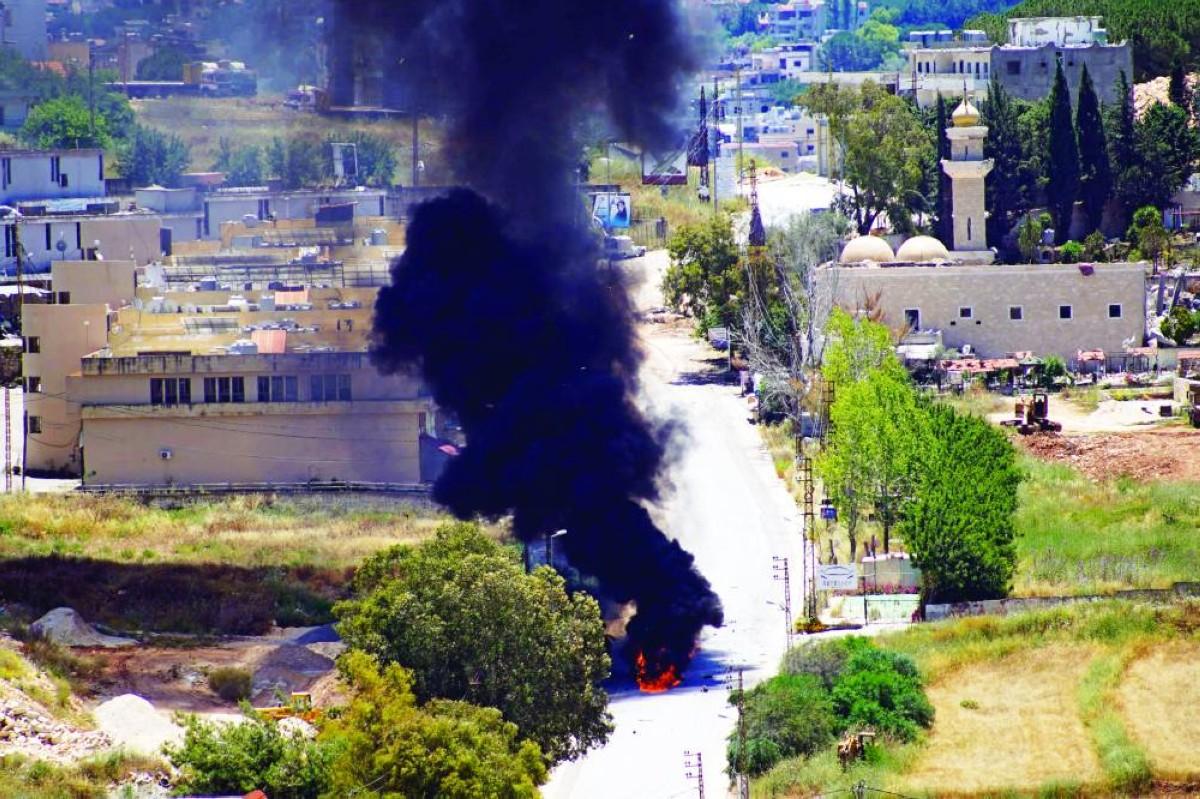
Arab News also reported that an Israeli strike in the south in the town of Zebdine killed five people including a woman and an emergency worker, and that Lebanon’s health ministry condemned “the targeting of paramedics carrying out rescue operations.”
The L’Orient-Le Jour account tied Aoun’s remarks to the ceasefire talks in Washington, saying Israel and Lebanon agreed on Wednesday to implement a ceasefire and to create pilot zones under the control of the Lebanese army after two days of talks.
L’Orient-Le Jour further stated that Israeli attacks on Lebanon from March 2 to June 5 have killed 3,558 and wounded 10,870, citing Health Ministry figures, and it framed Aoun’s message to Hezbollah as a demand that the Lebanese people are not Naim Kassem’s people.
Across the sources, Aoun’s stated aim was to preserve what remains of Lebanon by ending the state of hostility between Lebanon and Israel “forever,” while Hezbollah’s chief Naim Qassem said the arms struggle will continue “so long as our villages are not safe and are being bombed and destroyed and our people are killed.”
More on Lebanon

Israeli Strikes Kill Nine in Southern Lebanon After Evacuation Warnings for Nine Villages
16 sources compared

Israel Strikes Southern Lebanon After Forced Evacuations, Killing Six
14 sources compared
Hezbollah Rejects Israel-Lebanon Ceasefire, Demands Israeli Withdrawal After Strikes Kill Four
23 sources compared
Joseph Aoun Tells Iran to Stop Using Lebanon as a Bargaining Chip
36 sources compared