
Israeli Strikes Kill Nine in Southern Lebanon After Evacuation Warnings for Nine Villages
Key Takeaways
- Israeli airstrikes hit southern Lebanon after evacuation warnings for nine villages.
- Strikes forced thousands of residents to flee again from affected areas.
- Lebanese army and UN forces deployed in Dibin after Israeli withdrawal.
Ceasefire Clash in South
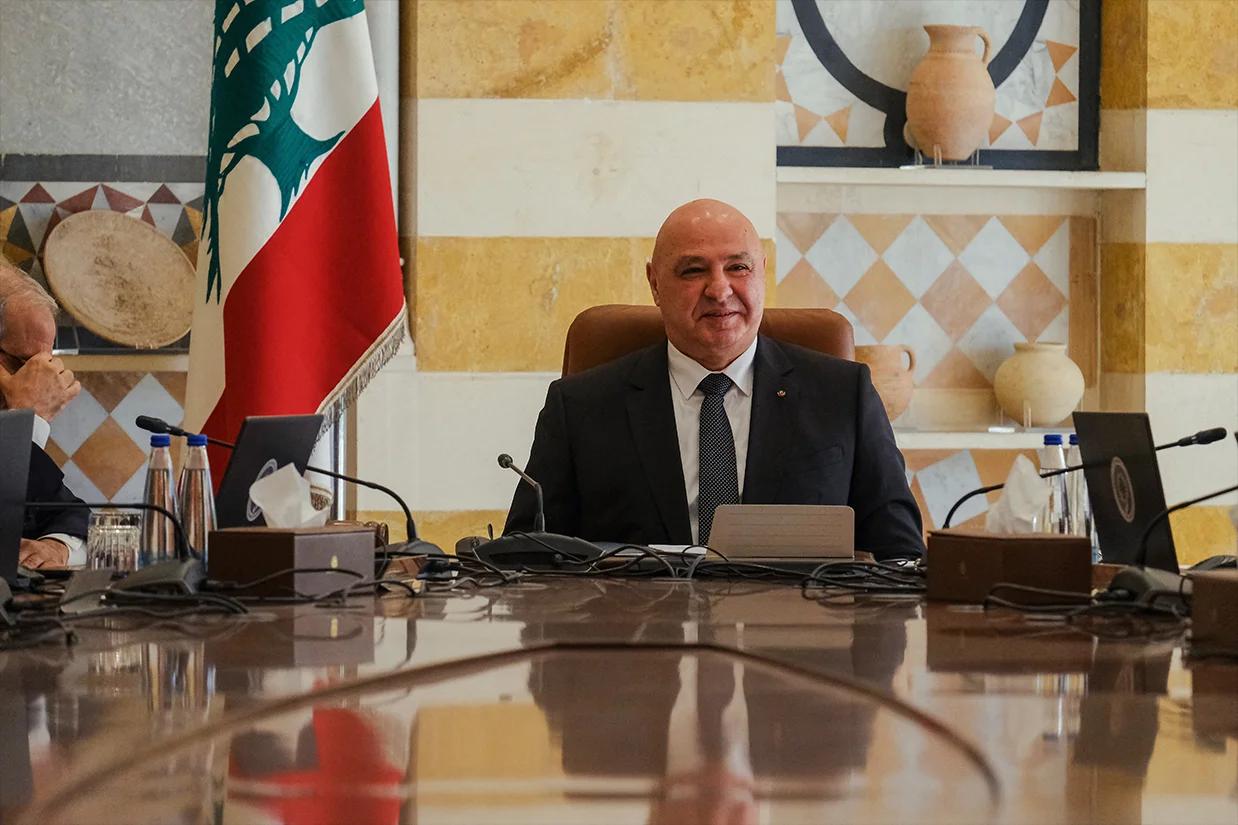
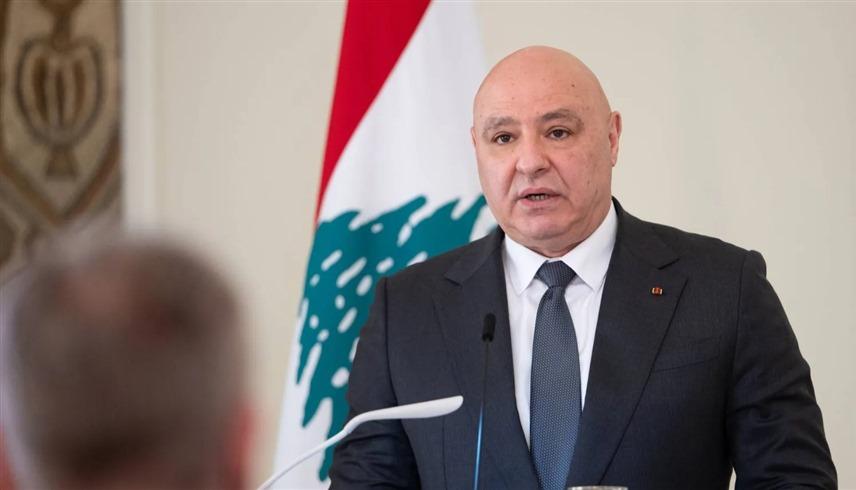
Lebanese President Joseph Aoun and Prime Minister Nawaf Salam criticized Iran on Friday after Iran opposed the latest ceasefire deal between the Lebanese government and Israel, with Aoun telling CNN: “It’s not your job to interfere into our country. I reject the statement totally because our people (are) being killed, our houses being destroyed.”
“Lebanese army enters southern town as Israel withdraws amid shaky ceasefire The Lebanese army began deploying in Debbine, in southern Lebanon's Marjayoun district, as Beirut moves to establish limited "pilot zones" where state forces would exercise exclusive control under a ceasefire framework agreed to in Washington on Wednesday”
As the political dispute unfolded, the Israeli military struck multiple parts of southern Lebanon and issued evacuation warnings for nine villages, and the strikes killed nine people in six locations in southern Lebanon, the state news agency reported.

The evacuation warnings came as Israeli troops held roughly a fifth of Lebanon, and the U.S.-brokered ceasefire agreement was described as fragile and contested by Hezbollah and powerful allies in Beirut.
In Dibbine, near Marjayoun town, U.N. peacekeepers and Lebanese troops cleared rubble and opened roads after Israeli troops withdrew a day earlier, while the Lebanese army set up barbed wire at one entrance and prevented some residents from returning.
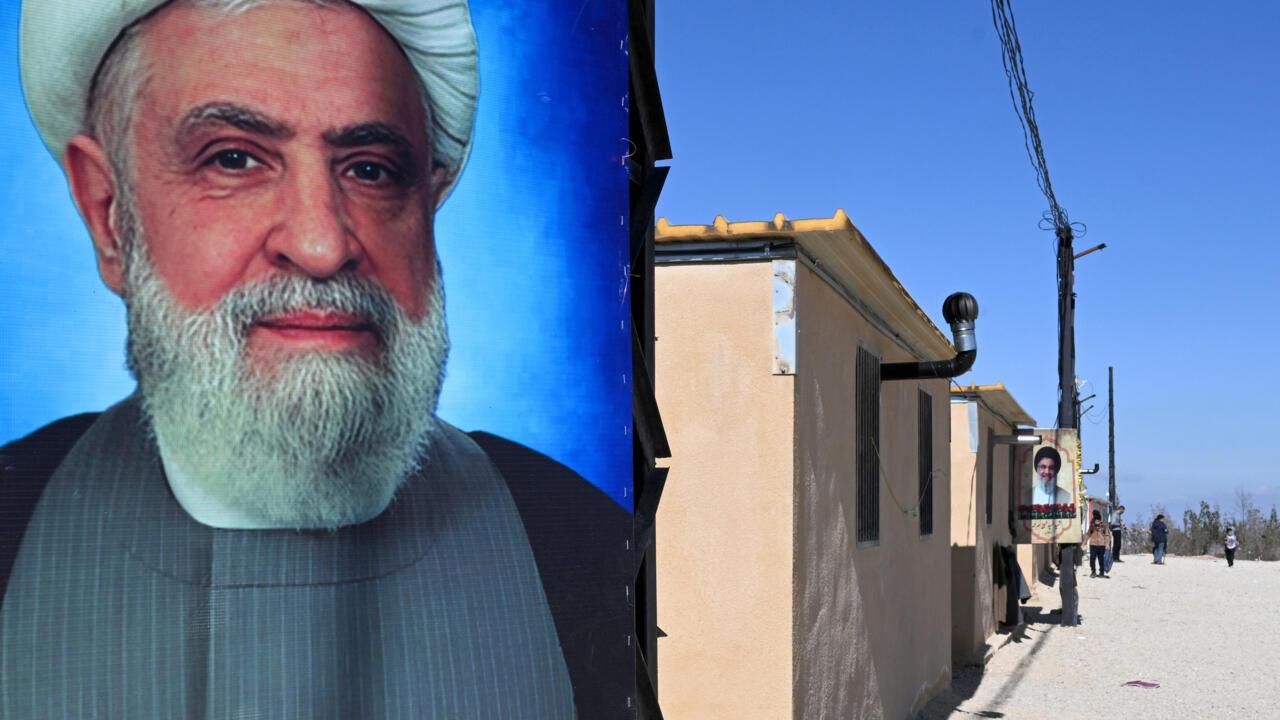
The conflict’s immediate context included Iran’s Revolutionary Guard statement that “there will be no calm in the region" if Israel doesn't withdraw its troops from Lebanon, and Hezbollah’s rejection of the ceasefire deal while demanding a complete Israeli withdrawal from Lebanon.
Debate Over Exits and Accountability
Nawaf Salam called on the Lebanese people to put Lebanon’s interest first and said Lebanon “should not remain a battlefield for others,” while Aoun and Salam complained that Iran was treating their nation as “a bargaining chip” in talks with Washington about ending the U.S.-Israeli war against the Islamic Republic.
In response to the ceasefire framework, Hezbollah rejected the deal and demanded a complete Israeli withdrawal from Lebanon, and Lebanese Parliament Speaker Nabih Berri echoed the militants’ demands in his first comments since the agreement was announced Wednesday in Washington.

Berri said the ceasefire should be “complete and comprehensive,” without any exceptions for land, sea or air, and “without bulldozing and demolishing everything that exists,” as the BBC described the government’s plan to launch an immediate investigation into accountability for the conflict’s impact.
On the ground, an Associated Press team traveling in southern Lebanon saw multiple villages in ruins including Dibbine, where the Lebanese army set up barbed wire at one entrance and prevented residents from returning even as U.N. peacekeepers and Lebanese troops cleared rubble and opened roads.
The dispute over implementation also played out in the ceasefire’s stated structure, with the deal seeking to pull Lebanon away from Iran and requiring that any agreement to cease hostilities be reached directly through Lebanon and Israel “and not through any separate track.”
What Comes Next for Lebanon
The next phase of the ceasefire process centered on security zones and the Lebanese state’s role, with the ceasefire agreement calling for Lebanon’s armed forces to take control of security zones in Lebanon from which the militants would be banned.
“The Lebanese army confirms the full withdrawal of Israeli forces from Dibin and Bilat in the south”
In Dibbine, U.N. and Lebanese forces were seen at an entrance after Israeli forces withdrew, and a bulldozer for the peacekeeping force opened the main road leading to Dibbine as dozens of homes were seen destroyed.
The Lebanese army later issued guidance that a unit removed earthen barricades on the Dibben road and reopened the Marjayoun–Dibbin–Ibl al-Saqi road in tandem with the Israeli withdrawal, while calling on citizens not to approach the area and to comply with military instructions until deployment ends.
The stakes of the ceasefire remained contested, with Hezbollah Secretary-General Naim Qassem saying the result of negotiations was “utterly rejected” and adding in a televised address: “As long as our villages are being shelled and our people are being killed, northern Israel will not be safe. The resistance will continue as long as Israel remains in Lebanon.”
Meanwhile, the Lebanese Health Ministry said the death toll from Israeli attacks on Lebanon since March 2 rose to 3,526, with 107,033 wounded, underscoring the scale of harm as the ceasefire framework moved into implementation.
More on Lebanon
Joseph Aoun Accuses Iran of Using Lebanon as Bargaining Chip in U.S. Talks
22 sources compared

Israel Strikes Southern Lebanon After Forced Evacuations, Killing Six
14 sources compared
Hezbollah Rejects Israel-Lebanon Ceasefire, Demands Israeli Withdrawal After Strikes Kill Four
23 sources compared
Joseph Aoun Tells Iran to Stop Using Lebanon as a Bargaining Chip
36 sources compared