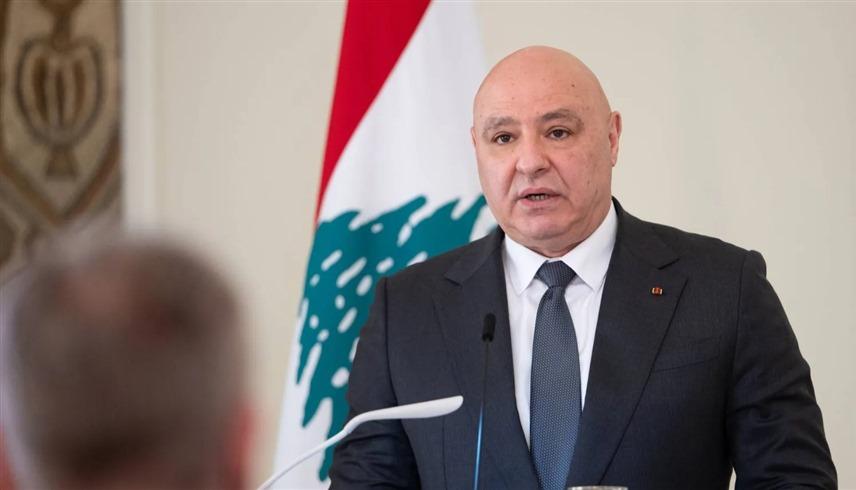
Joseph Aoun Tells Iran to Stop Using Lebanon as a Bargaining Chip
Key Takeaways
- Aoun says Iran uses Lebanon as a bargaining chip in talks with the United States.
- He urges Iran to stop interfering in Lebanon and stay out of its affairs.
- Aoun calls for diplomacy, urging Israel and Hezbollah to negotiate toward a ceasefire.
Aoun vs Iran
Lebanese President Joseph Aoun sharply criticised Iran for using Lebanon in its wider confrontation with the United States and Israel, telling CNN that “The people of Lebanon are paying the price.”
Aoun said decisions affecting Lebanon should be made by the Lebanese state rather than external actors, reserving strong remarks for the Islamic Revolutionary Guard Corps and adding, “It’s not your country, it’s our country.”

He framed his comments as a response to a sensitive moment for Lebanon, which is trying to preserve a fragile ceasefire agreement reached between Israel and Lebanon “this week,” while tensions tied to the broader Iran-Israel confrontation persist.
Aoun also rejected recent comments by the IRGC linking Lebanon to discussions surrounding a broader US-Iran understanding, accusing Tehran of treating Lebanon as a negotiating tool in its dealings with Washington.
The ceasefire arrangement remains dependent on a complete halt to Hezbollah attacks and the withdrawal of Hezbollah fighters from southern Lebanon, even as Hezbollah quickly rejected the agreement.
Hezbollah rejects terms
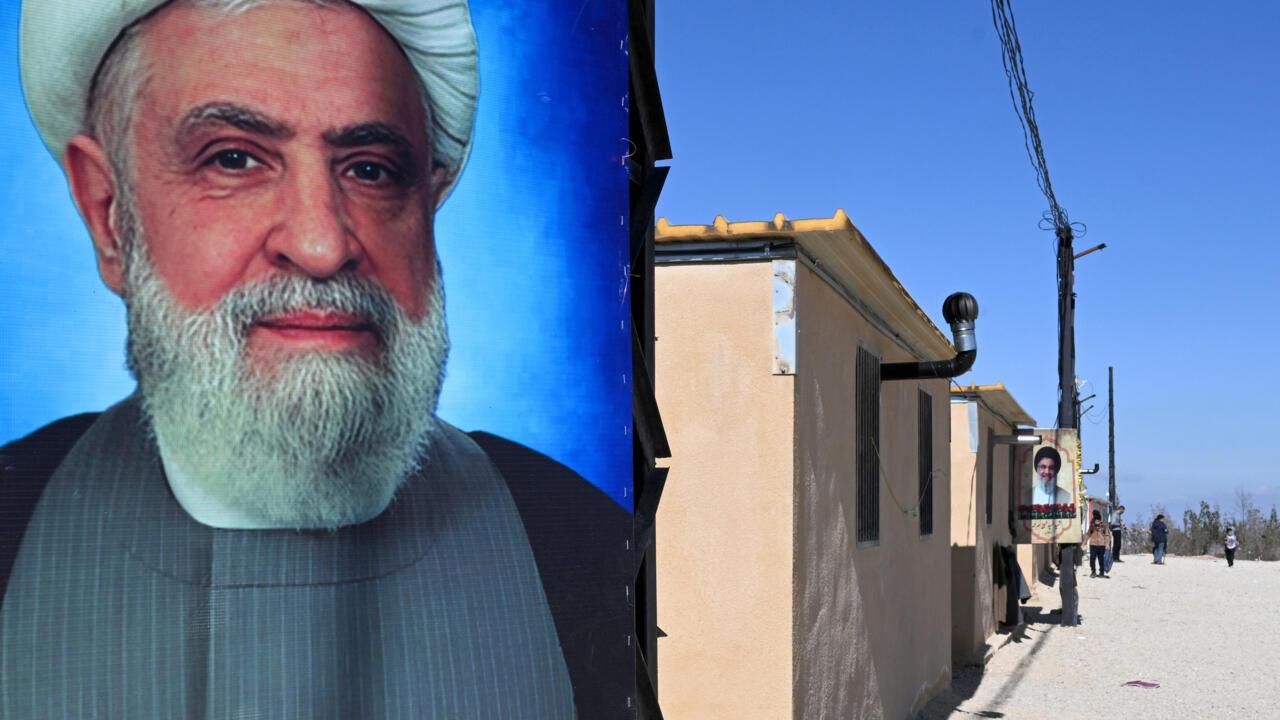
In the wake of the Israel-Lebanon truce renewal, Hezbollah rejected the ceasefire deal, with Hezbollah’s chief Naim Qassem calling it “surrender” and saying his group would keep bombarding northern Israel as long as strikes continue in Lebanon.
Aoun’s push for diplomacy also included a direct message to Iran, as he told CNN, “It’s our obligation. It’s not your job to interfere in our country.”

Lebanese Parliament Speaker Nabih Berri, an ally of Hezbollah, said he agreed to withdrawal from southern Lebanon only if the IDF also pulls out of the area, while also criticising the agreement in written comments distributed by his office.
The ceasefire terms described in the sources were contingent on a complete cessation of Hezbollah fire and the evacuation of all Hezbollah operatives from areas south of the Litani River, with the deal described as enabling progress toward a comprehensive peace and security agreement.
A U.S. official defended the arrangement as a first step toward demilitarization of Hezbollah and full security control south of the Litani River by the Lebanese Armed Forces, while also saying the June 3 agreement “exposed that cynical strategy.”
Humanitarian and political stakes
As the ceasefire remained contested, the sources described continued Israeli strikes in southern Lebanon and Lebanese state-run reporting of mass displacement, including warnings and evacuations tied to expected attacks.
“'Not your country': Joseph Aoun tells Iran to stay out of Lebanon's affairs The Lebanese president called on Israel and Hezbollah to negotiate while the parliament speaker said he would endorse a ceasefire if Israel withdraws”
The UN’s humanitarian appeal for Lebanon was increased to nearly $640 million over six months, with OCHA warning that “The humanitarian crisis in Lebanon is severe and deteriorating.”
The same CBS News account said Lebanon’s official position was that Israeli attacks have killed more than 3,500 people since Hezbollah drew Lebanon into the wider Middle East war on March 2, and that nearly one million people have fled their homes.
Within Lebanon’s political debate, Aoun’s stance that Hezbollah Secretary-General Naim Qassem does not represent the Lebanese people was paired with a message to Iran that “You are not trying to help us, and the Lebanese people alone pay the price for your own interests.”
Aoun also said he would not meet Israeli Prime Minister Benjamin Netanyahu before reaching an agreement, while Lebanon’s Prime Minister Nawaf Salam said the government chose “the path of negotiation because it is the least costly for Lebanon and its people.”
More on Lebanon

Israel Strikes Southern Lebanon After Forced Evacuations, Killing Six
14 sources compared
Hezbollah Rejects Israel-Lebanon Ceasefire, Demands Israeli Withdrawal After Strikes Kill Four
23 sources compared

Israel Katz Says Israel Will Continue Operations as Hezbollah Rejects U.S.-Brokered Ceasefire
15 sources compared
Hezbollah Rejects Israel-Lebanon Ceasefire, Demands Complete Israeli Withdrawal From Lebanon
42 sources compared