
US And Iran Hold First Direct Peace Talks In Islamabad After Five-Week War
Key Takeaways
- US and Iranian delegations arrive in Islamabad for direct talks mediated by Pakistan.
- Talks aim to secure a permanent ceasefire and end the war amid a fragile truce.
- Detainees on the table; Iran's preconditions not met.
Historic US-Iran Talks
The United States and Iran engaged in high-stakes peace talks in Islamabad on April 11, marking the first direct negotiations since the war began.
Vice President JD Vance led the US delegation, accompanied by special envoy Steve Witkoff and Jared Kushner.
Iran's delegation was headed by Parliament Speaker Mohammad Bagher Ghalibaf and Foreign Minister Abbas Araghchi.
The talks aimed to address key issues including Iran's nuclear program, sanctions relief, regional security, and the reopening of the Strait of Hormuz.
Trump told reporters the Strait of Hormuz would be open fairly soon, adding no nuclear weapon that's 99% of it.
Pakistan's Mediation Role
Pakistan emerged as a key mediator in the crisis, hosting the talks and facilitating dialogue between Washington and Tehran.
Pakistani Prime Minister Shehbaz Sharif described the talks as a make-or-break moment.

Pakistan's role draws on decades of close ties with Iran, shaped by shared borders and religious linkages.
Islamabad also maintains close ties with Washington, Riyadh, and Beijing.
The Guardian reported that the talks marked a shift in Pakistan's global standing.
Contentious Issues
Iran insisted that Lebanon and Hezbollah be included in the ceasefire, while Israel and the US disagreed.
Ghalibaf said two previously agreed measures must be fulfilled before negotiations begin.
Trump threatened fresh strikes if talks fail, saying the Iranians have no cards other than Hormuz.
The Strait of Hormuz remained effectively closed despite the ceasefire.
Lebanon and Israel agreed to meet in Washington on April 14 to discuss a ceasefire.
Economic and Human Costs
The war's economic impact was severe, with farm diesel costs more than doubling since December.
The Strait of Hormuz had been closed by Iran for weeks, pushing energy prices higher.

Lebanon faced a humanitarian crisis after Israeli strikes killed hundreds.
Lebanon's health ministry updated the death toll to 357 people killed on April 8.
The total killed in Lebanon since March 2 exceeded 1,953.
More on Iran
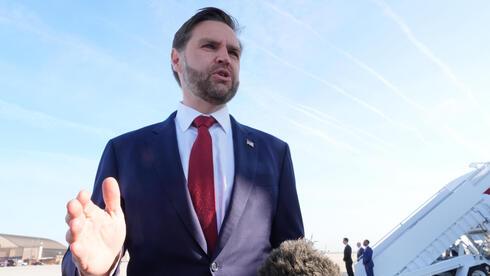
JD Vance Warns Iran Not To Play U.S. Ahead Of Islamabad War Negotiations
13 sources compared
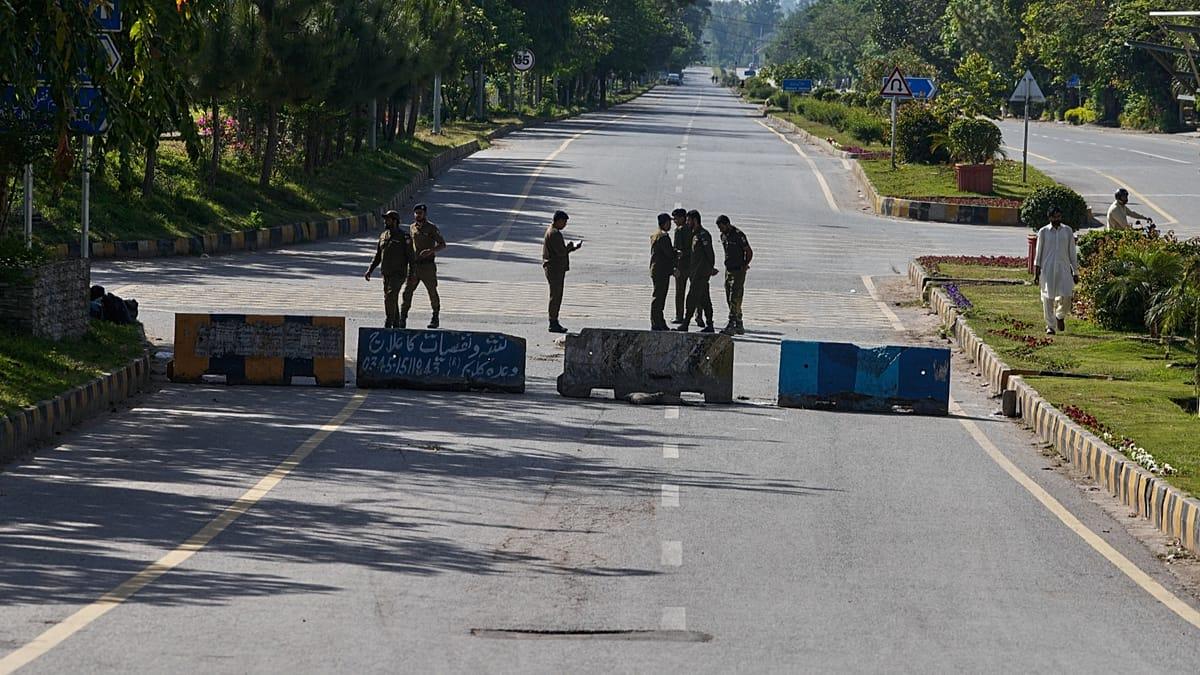
US Led By Vance Holds High-Stakes Peace Talks With Iran In Islamabad
36 sources compared
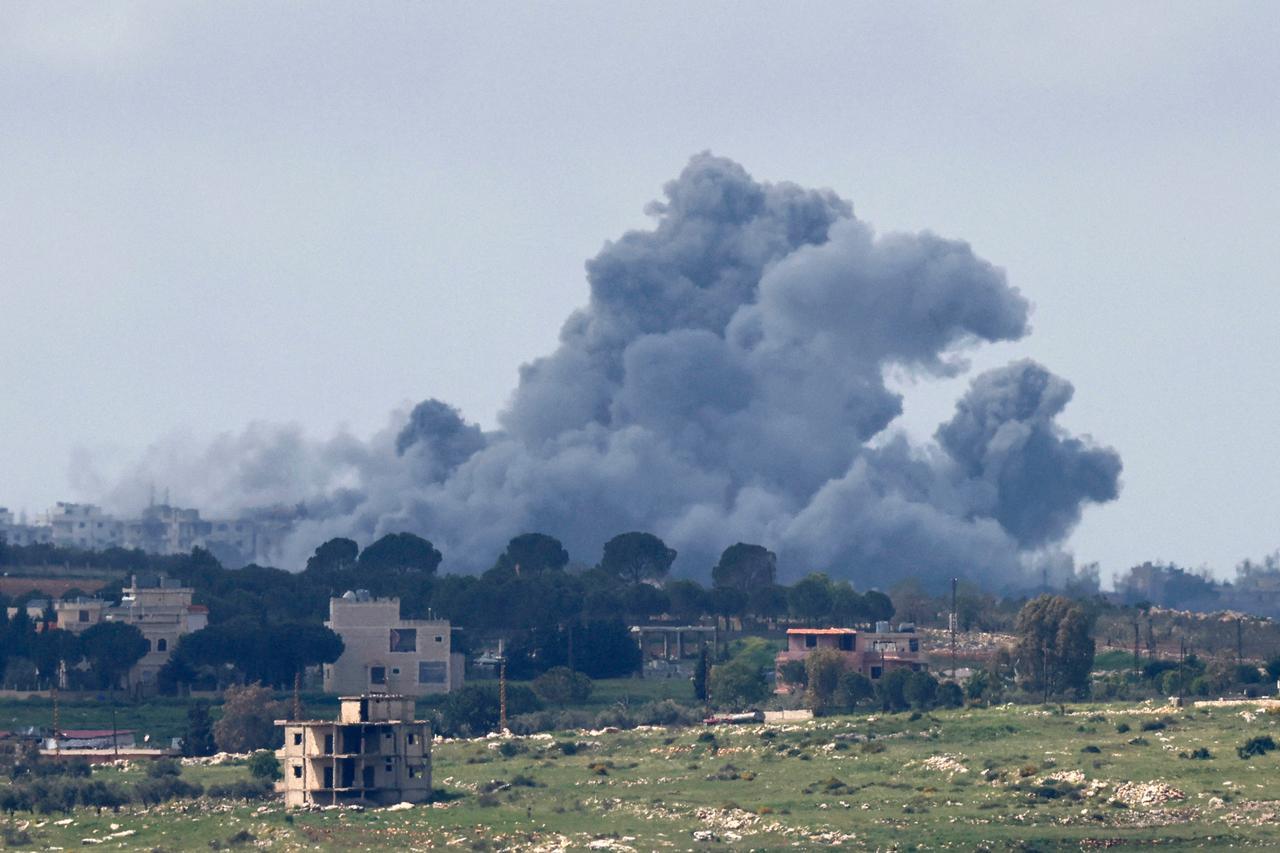
Iran Demands Lebanon Ceasefire And Asset Release Before US Peace Talks
13 sources compared

Iran Blocks Strait of Hormuz, Demands Israel Cease Attacks Before Talks
24 sources compared