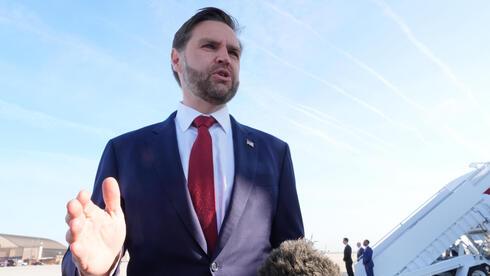
JD Vance Warns Iran Not To Play U.S. Ahead Of Islamabad War Negotiations
Key Takeaways
- Vance warns Iran not to play the U.S. as he heads to Islamabad for talks.
- Vance leads the U.S. delegation to Islamabad for talks to end the war.
- Ceasefire remains fragile ahead of talks.
Vance Leads Talks
U.S. Vice President JD Vance departed for Islamabad to lead negotiations aimed at ending the six-week war between the United States and Iran.
“Confusion over competing United States and Iranian proposals to end the war is deepening uncertainty about the fragile two-week ceasefire between the longtime foes, with officials presenting sometimes differing accounts of what has been agreed”
Vance warned Iran not to play the U.S., saying if they negotiate in good faith, we're willing to extend the open hand.

The trip marked a rare moment of high-level U.S. engagement with Iran since the 1979 Islamic Revolution.
Vance was joined by Trump's special envoy Steve Witkoff and son-in-law Jared Kushner.
Iran's parliament speaker set preconditions for the talks, demanding a ceasefire in Lebanon and the release of blocked Iranian assets.
The two-week ceasefire was already shaky as Israel continued strikes in Lebanon and the Strait of Hormuz remained closed.
Ceasefire Frictions
Almost immediately after the ceasefire was announced, the two sides found themselves at odds over its terms.
Iran insisted that an end to the Israeli war in Lebanon was part of the ceasefire, but Netanyahu and Trump said the truce did not cover Lebanon.
The U.S. demanded that Iran make good on reopening the Strait of Hormuz, which Tehran had closed in response to Israel's attacks on Hezbollah.
Trump posted that the Iranians don't seem to realize they have no cards, other than a short term extortion of the World.
The closure of the strait had a major impact on global energy markets, with consumer prices in the U.S. rising 3.3% in March.
Pakistan Mediation
Pakistan emerged as the mediator for the talks, with Islamabad preparing to host high-level delegations.
“With the ceasefire in Iran still shaky, U”
Pakistan announced visa-on-arrival for all delegates and journalists.
The negotiations were expected to be indirect, with delegations sitting in separate rooms.
The Pakistani capital was placed under complete lockdown for a hastily announced public holiday.
The Iranian delegation was led by Parliament Speaker Mohammad Bagher Qalibaf.
It included Foreign Minister Abbas Araghchi and several lawmakers.
Vance's Role
The negotiations represented one of the highest-profile assignments for Vance.
He had limited diplomatic experience.

Jonathan Schanzer described Vance as an unusual choice.
The White House rejected suggestions that Tehran specifically requested Vance’s participation.
The current engagement represented a rare instance of direct high-level contact between the U.S. and Iran since 1979.
More on Iran
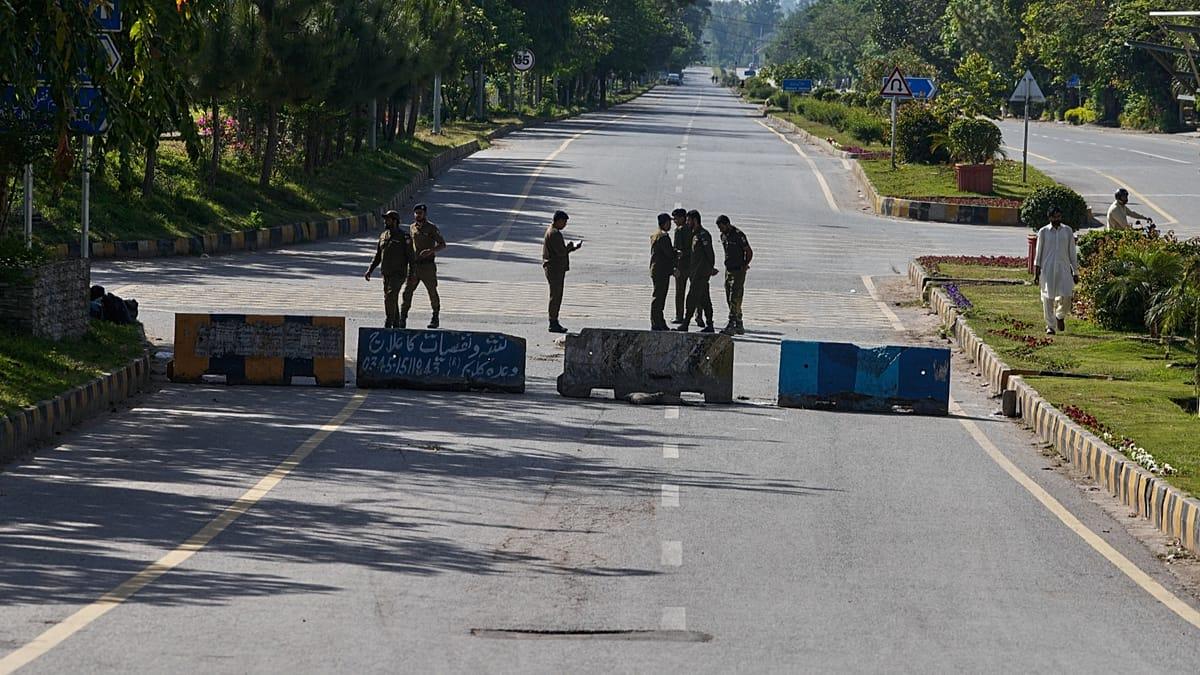
US Led By Vance Holds High-Stakes Peace Talks With Iran In Islamabad
36 sources compared

US And Iran Hold First Direct Peace Talks In Islamabad After Five-Week War
56 sources compared
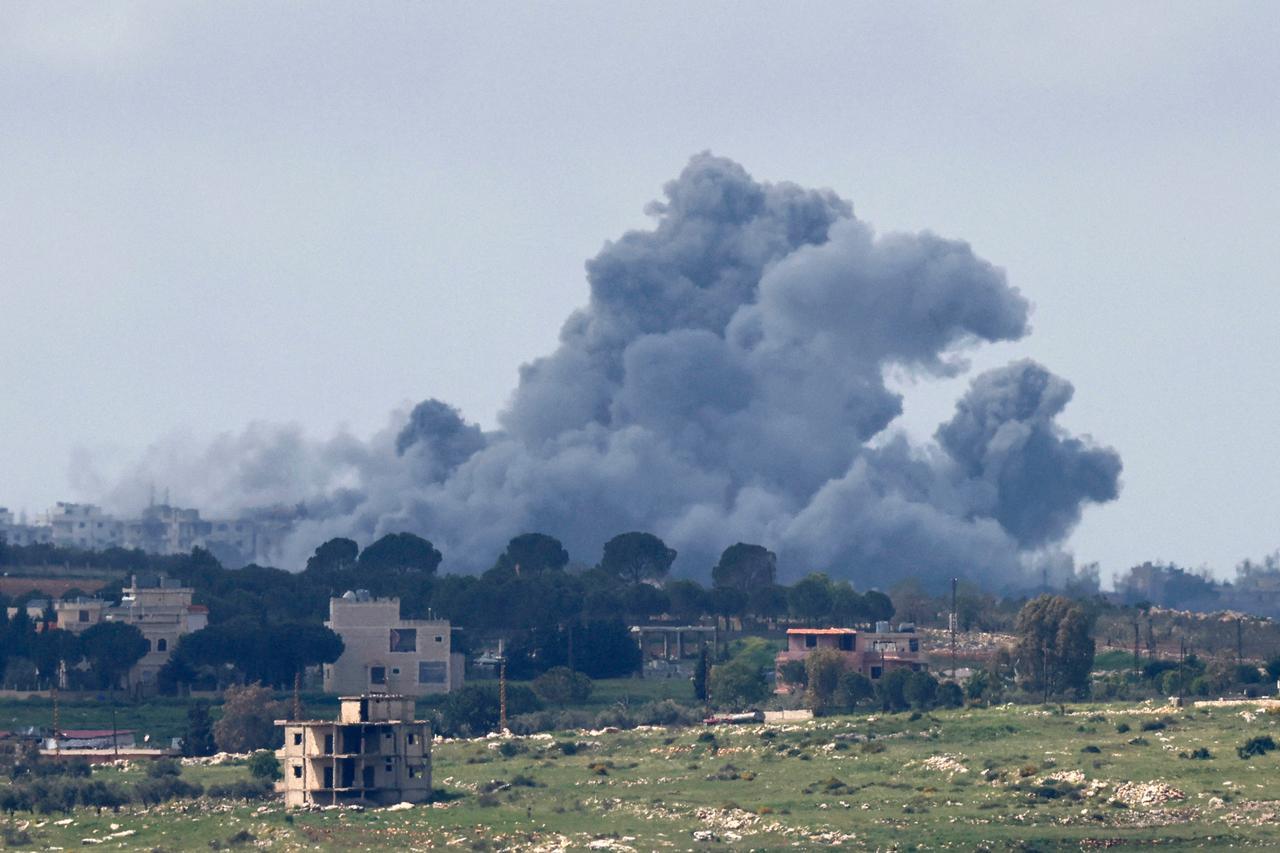
Iran Demands Lebanon Ceasefire And Asset Release Before US Peace Talks
13 sources compared

Iran Blocks Strait of Hormuz, Demands Israel Cease Attacks Before Talks
24 sources compared