
US Intel Report Finds China Not Planning Invasion of Taiwan in 2027
Key Takeaways
- US intelligence says China does not plan to invade Taiwan in 2027.
- Beijing prefers unification without force, per US intelligence assessment.
- PLA capabilities progress steadily but unevenly; no fixed invasion timeline reported.
Intelligence Assessment Findings
The 2026 US Annual Threat Assessment report has revealed that Chinese leaders do not currently plan to execute an invasion of Taiwan in 2027.
“2 Min Read China has asked the United States to ‘stop hyping’ the idea that Beijing is a threat”
The intelligence community assessment indicates China prefers to achieve unification without the use of force if possible.

While China's military (PLA) is expected to have sufficient capabilities by 2027, this does not necessarily mean an attack will occur.
Numerous political and military factors will influence the final decision according to the report.
Chinese leaders are considering various factors including PLA readiness, Taiwan's political actions, and potential US military intervention.
China-Taiwan Reactions
China's foreign ministry has responded strongly to the US intelligence assessment.
Spokesperson Lin Jian urged American institutions to 'stop hyping up the China threat theory.'

Lin emphasized that the Taiwan issue is China's internal affair.
Taiwan's de facto embassy expressed continued vigilance and concern about China's military activities.
A Taiwanese security official warned that the assessment does not mean the threat has ended.
Regional Policy Concerns
The Trump administration's stance on Taiwan has created mixed reactions in the region.
“Washington:China does not currently plan to invade Taiwan in 2027 but seeks to take control of the self-ruled island without force, said an annual US intelligence report, which drew ire from Beijing on Thursday”
The US announced a record $11 billion weapons sale to Taiwan in December 2025, angering Beijing.
Some Japanese officials worry Trump may soften support for Taiwan in pursuit of a trade accord with China.
Japanese Prime Minister Sanae Takaichi's remarks on Taiwan were described by US intelligence as a 'significant shift' for a Japanese leader.
Trump reportedly advised Takaichi privately not to escalate the diplomatic row with Beijing.
Defense Preparations
Despite the intelligence assessment, Taiwan has been actively preparing for potential conflict.
Taiwan has extended its conscription mandates and increased defense spending.
Confidence in US military support has waned since Trump took office.
The US intelligence report acknowledges China continues to employ multidomain coercive pressure.
Taiwan's security officials say China is recalibrating its approach based on changes in US and allied deterrence posture.
Strategic Considerations
Several factors are influencing China's approach toward Taiwan.
“- US intelligence reports China prefers unification with Taiwan without force, despite threats”
China's appetite for conflict has been dampened by struggles with its slowing domestic economy.
String of dismissals in top military leadership appears to have set aside invasion options.
Beijing sees the cost of invasion as too high due to potential derailment of development priorities.
Escalating attacks on Iran could draw attention and resources away from Asian security concerns.
More on China
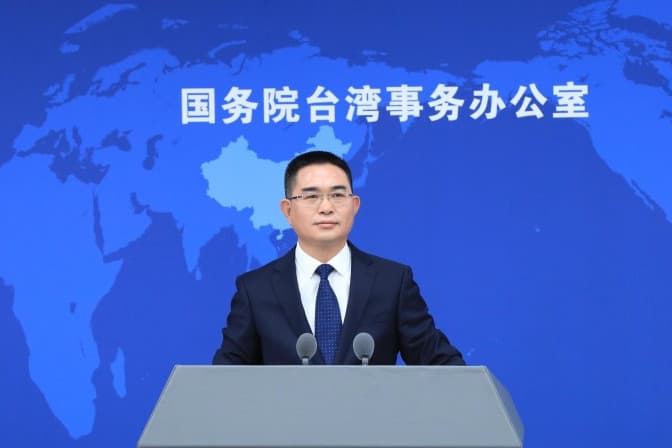
China Offers Taiwan Energy Lifeline If It Accepts Reunification; Taiwan Rejects Proposal
10 sources compared
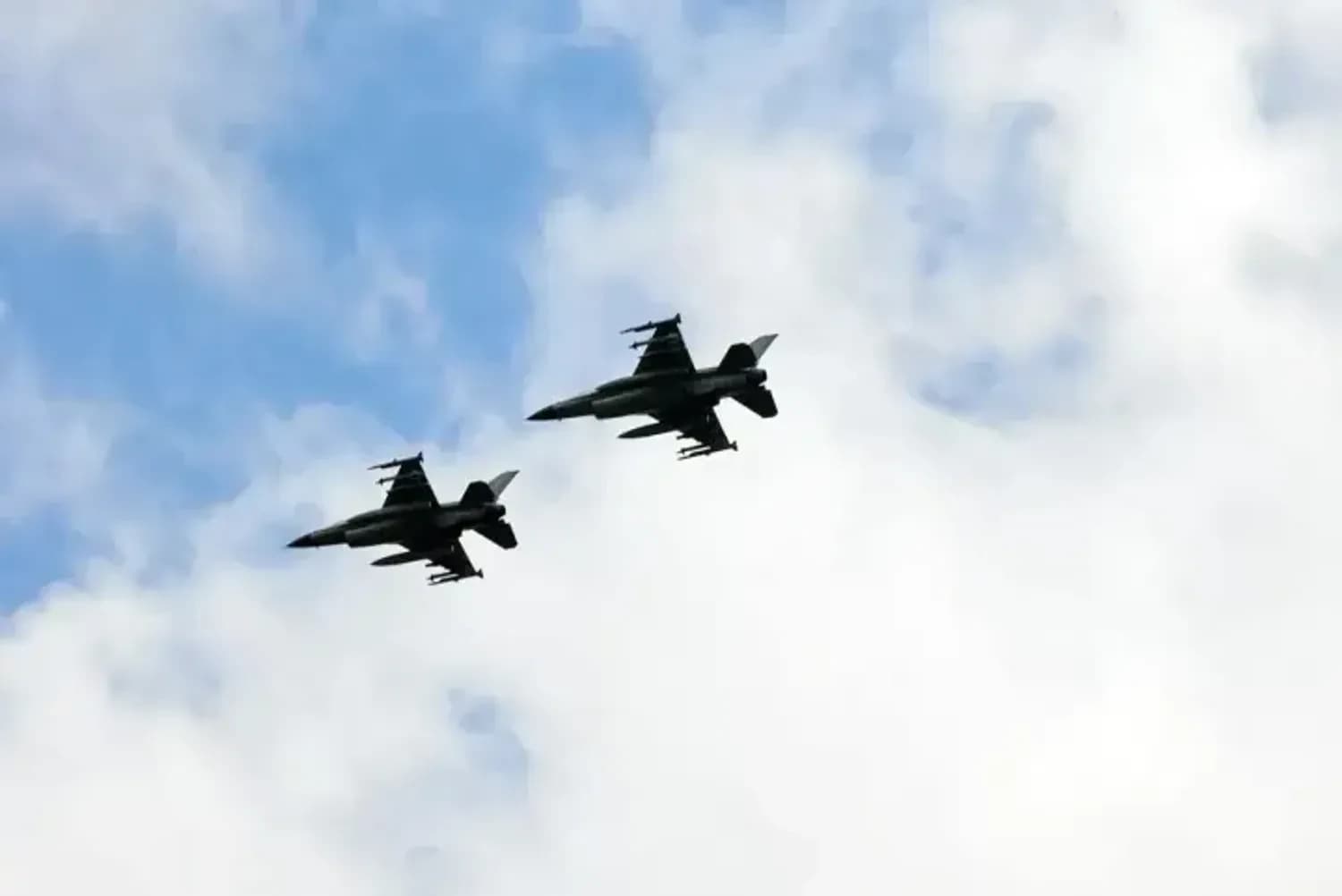
China Resumes Large Scale Military Flights Around Taiwan, Taiwan Reports 26 Aircraft in 24 Hours
14 sources compared

Apple Cuts China App Store Commissions to 25% After Regulator Pressure
25 sources compared

Trump Opens Broad Trade Investigation Targeting China, Mexico and EU; Beijing Calls It Political Manipulation
11 sources compared