China Offers Taiwan Energy Lifeline If It Accepts Reunification; Taiwan Rejects Proposal
Key Takeaways
- China offers Taiwan stable energy and resources in exchange for peaceful reunification.
- Taiwan rejects the offer, insisting on independence and securing alternative energy supplies.
- Officials label the proposal cognitive warfare, a psychological pressure tactic linked to reunification efforts.
Energy Proposal Rejected
China has offered Taiwan a controversial proposal linking guaranteed energy security to accepting Beijing's rule, framing it as part of its "peaceful reunification" campaign.
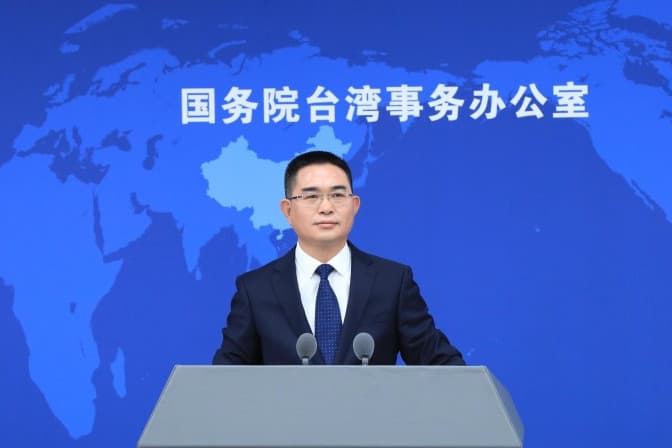
“Mainland willing to provide energy to Taiwan Amid rising concerns over Taiwan's energy vulnerability due to the ongoing conflict in the Middle East, a Chinese mainland spokesman said on Wednesday that the mainland is willing to provide Taiwan compatriots with stable and reliable energy and resource support”
Taiwan has firmly rejected this offer, describing it as "impossible" and part of ongoing "cognitive warfare" according to Deputy Economy Minister Ho Chin-tsang.
The proposal was made by Chen Binhua, spokesperson for China's Taiwan Affairs Office, who claimed that "peaceful reunification" would ensure Taiwan's energy security with a "strong motherland" as its backing.
Taiwan's government maintains its sovereignty claims that only the island's people can decide their future, rejecting Beijing's assertion of control.
This diplomatic exchange highlights the ongoing tensions between the two sides, with China viewing the energy proposal as a pragmatic solution to global supply disruptions, while Taiwan sees it as political pressure.
Energy Crisis Context
The timing of China's proposal coincides with significant disruptions in global energy markets following the U.S.-Israeli war on Iran, which has severed shipping lanes through the strategically vital Strait of Hormuz.
Taiwan, which imports approximately 96% of its energy consumption mostly by sea and largely from the Middle East, faces particular vulnerability to these supply chain disruptions.

China, the world's largest oil importer, has exacerbated global concerns by halting fuel exports until at least the end of March to prevent domestic shortages, a move that affected exports totaling $22 billion last year.
Beijing's offer to Taiwan is thus positioned as both a solution to immediate energy security concerns and a strategic geopolitical maneuver during a period of global uncertainty.
Taiwan's Energy Minister Ho Chin-tsang emphasized that Taiwan has already made preparations to secure its energy needs, including maintaining safety reserves and response plans.
Reunification Strategy
China's energy proposal is part of its broader strategy to promote "peaceful reunification" through the "one country, two systems" model, which Beijing has long promoted but has found little support in Taiwan.
“- South Pars War, Ras Laffan, Jark Island”
The proposal, as articulated by Chen Binhua of the Taiwan Affairs Office, promises "full connectivity across the Strait" to address electricity, natural gas, and crude oil shortages in Taiwan, while assuring residents would enjoy a "more affordable, cleaner, and stable energy supply."
However, Taiwanese officials view such offers as part of broader psychological and political pressure tactics aimed at influencing public opinion on the island.
Beijing has never renounced the use of force to bring Taiwan under its control, and in October, China's Xinhua News Agency detailed what it portrayed as economic and social advantages for Taiwan after reunification, while reiterating that the use of force remains an option if Taiwan resists.
The credibility of China's promises has been further undermined by the evolution of Hong Kong, where the Chinese regime has swept away political liberties with a national security law.
Taiwan's Energy Strategy
Taiwan has proactively secured alternative energy supplies to maintain its independence and reduce vulnerability to external pressure.
The island currently sources roughly a third of its liquefied natural gas from Qatar and none from China, having established diversified supply chains that include imports from the United States as its principal international partner.
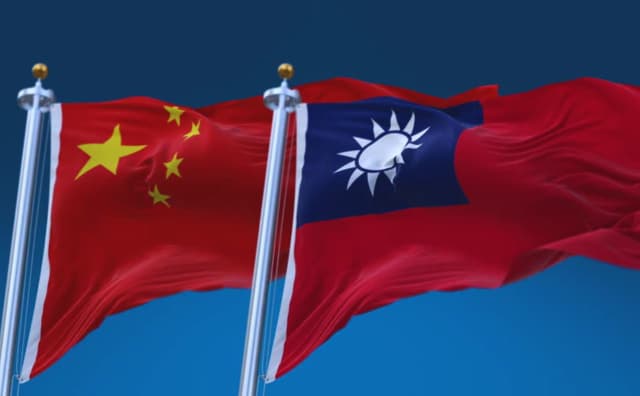
President Lai Ching-te has emphasized that Taiwan's immediate energy needs are met, with additional U.S. gas shipments planned from June onward.
Taiwan's strategy of diversifying energy sources reflects its determination to maintain energy security while rejecting conditional offers from Beijing.
This approach demonstrates Taiwan's commitment to maintaining its autonomy and reducing dependence on any single supplier, particularly China.
The island's energy independence strategy serves as both an economic necessity and a political statement of sovereignty.
Geopolitical Strategy
China's energy proposal represents a strategic reorientation of its approach toward Taiwan, shifting from rhetorical emphasis on shared national identity to pragmatic focus on supply security during the global energy crisis.
“Taiwan has firmly rejected an offer fromChinapromising energy security in exchange for accepting Beijing’s rule, calling it part of ongoing “cognitive warfare””
The offer, which presents "prosperity and stability in exchange for sovereignty under the well-known model of 'one country, two systems,'" seeks to exploit Taiwan's structural vulnerability as an island that imports about 96% of its energy consumption.
Beijing's strategy involves positioning itself as an alternative energy supplier while simultaneously suggesting that maritime transport vulnerability could worsen in scenarios of prolonged tension.
The proposal promises integrated energy infrastructures - cables, gas pipelines, electrical networks - that would reduce Taiwan's exposure to external shocks, effectively creating economic interdependence that could facilitate political integration.
This calculated approach reflects China's continued increase in pressure on Taiwan through diplomatic, economic and military means, while keeping open the possibility of using force.
More on China
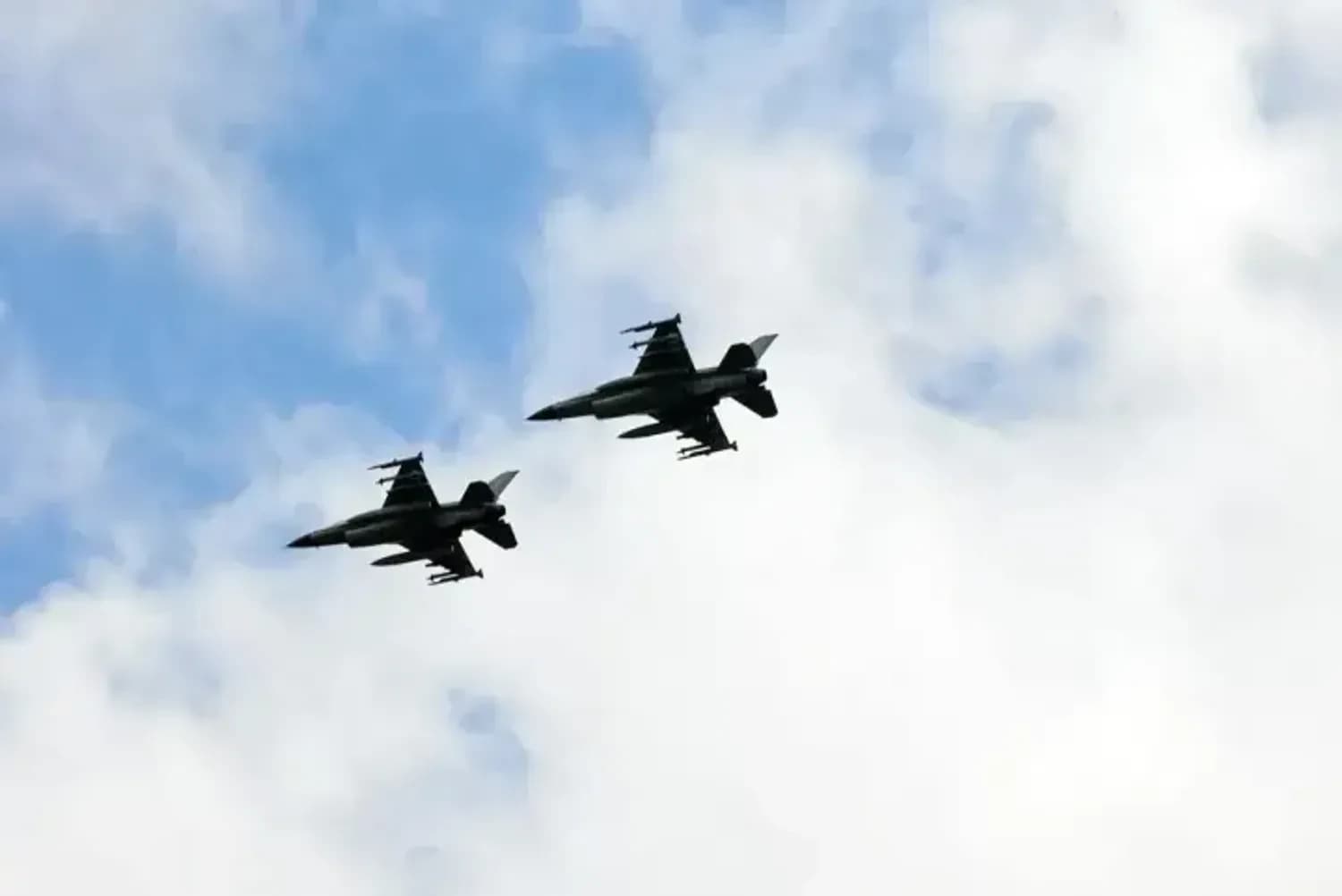
China Resumes Large Scale Military Flights Around Taiwan, Taiwan Reports 26 Aircraft in 24 Hours
14 sources compared

Apple Cuts China App Store Commissions to 25% After Regulator Pressure
25 sources compared

Trump Opens Broad Trade Investigation Targeting China, Mexico and EU; Beijing Calls It Political Manipulation
11 sources compared

President Trump issues 60-day Jones Act waiver to curb oil prices amid Iran war
14 sources compared