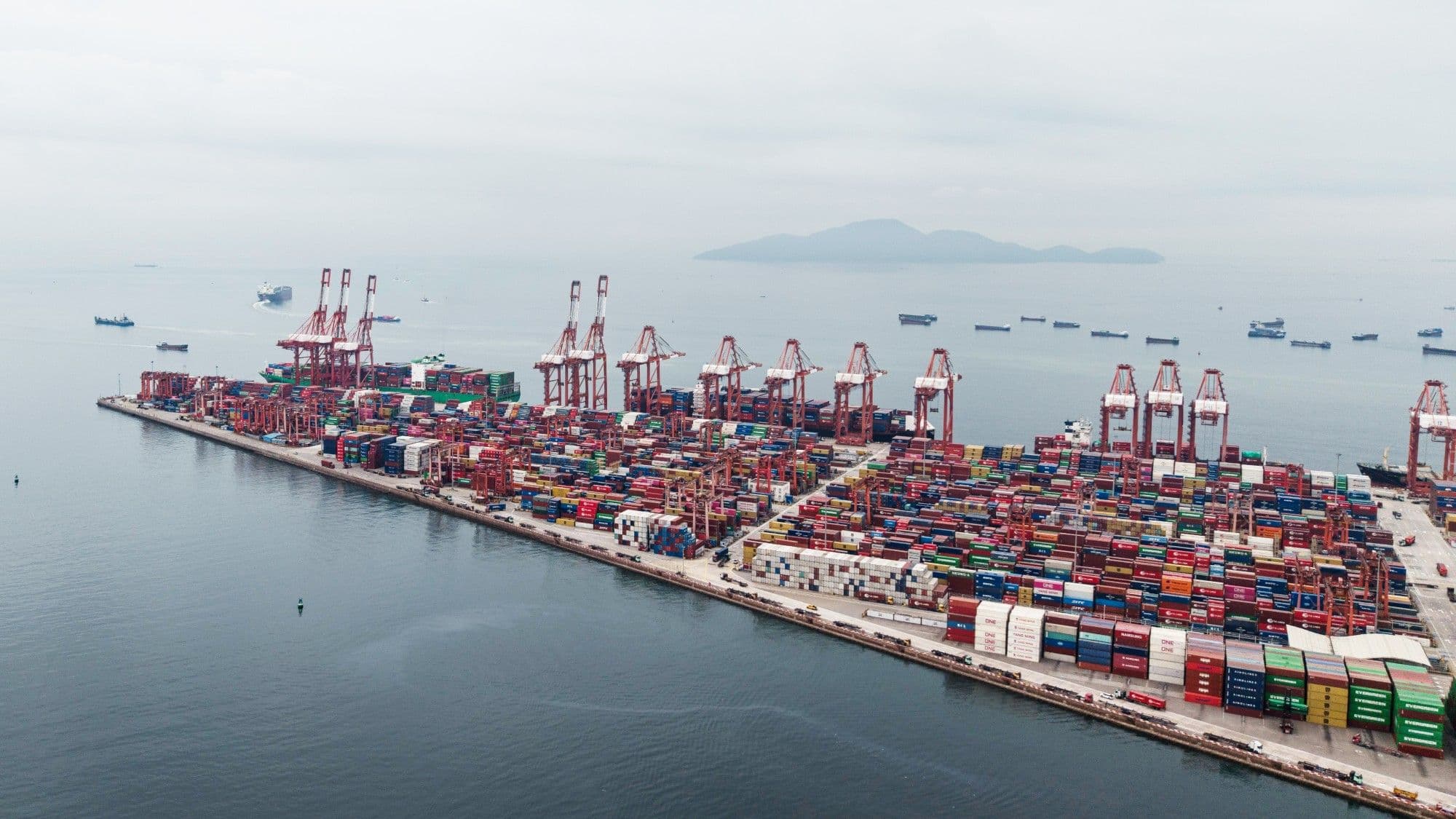
US and Israel Launch Epic Fury Assault on Iran
Key Takeaways
- US and Israel launched Operation Epic Fury against Iran.
- Targets included Tehran; Iran-backed militants in Lebanon faced intensified Israeli actions.
- China's role in reaction to US-Israeli assault is a focal point.
Initial Assault
The United States and Israel launched Operation Epic Fury on February 28, 2026, in what Al Jazeera described as a 'flagrant violation of international law and the United Nations Charter,' raining death and destruction on Iran.
“February 28, 2026, will be remembered as the day the law of the jungle returned”
The attacks, which caught Iran off guard despite historical precedents of negotiations being used to lull enemies into false security, resulted in the deaths of several high-ranking Iranian officials including Supreme Leader Ali Khamenei.

The Economic Times reported that Israel's defense minister announced these casualties including former parliamentary speaker Ali Larijani and Gen. Gholam Reza Soleimani, head of the Revolutionary Guard's Basij force.
The Economic Times noted these strikes were part of ongoing operations aimed at 'weakening the command structure of Tehran's security apparatus,' while The Week UK provided historical context noting China had been Iran's most important economic ally through years of Western sanctions.
This historical relationship between China and Iran became particularly relevant as the international community awaited Beijing's response to the US-Israeli assault.
Iranian Response
In response to the devastating attacks, Iran retaliated against US military installations and diplomatic missions in the Middle East and Israel with drones and missiles.
The Economic Times reported that while 'the retaliation inflicted some damage, it fell short of deterring further attacks in the face of the other side's overwhelming military superiority.'

Al Jazeera noted that with Iranian missile stockpiles and launchers falling dangerously low, 'it has become apparent that without outside intervention, Iran is fighting what could be its last stand.'
Bahrain reported additional drone attacks from Iran, tallying '129 missiles and 233 drones since the war began,' while Iran's ambassador in Turkmenistan demanded 'U.S. withdrawal from the Strait.'
These developments reflect the escalating regional tensions as both sides exchanged increasingly destructive blows with Iran warning that 'ongoing aggression against regional infrastructure must end.'
China's Calculations
China's response to the US-Israeli strikes was initially muted but evolved into vocal criticism with limited substantive action.
“A free daily email with the biggest news stories of the day – and the best features from TheWeek”
Al Jazeera reported that 'Two days into the war, during a regular news conference at the Chinese Ministry of Foreign Affairs, business continued as normal, as if the US and Israel had not just attacked one of China's comprehensive strategic partners,' with an Iranian journalist's protest prompting reluctant condemnation from ministry spokesperson Mao Ning.
The Week UK questioned whether China was a 'fair-weather friend' or playing 'a bigger game: its delicate truce with the US, and their battle for global supremacy,' while noting China's historical role as Iran's most important economic ally.
Despite strong rhetoric from Chinese Foreign Minister Wang Yi who argued that 'Might does not make right,' Al Jazeera observed that 'Wang stopped short of explicitly naming the US or Israel as the aggressor,' and China offered 'little substantive assistance beyond rhetoric.'
This was particularly notable when Iran closed the Strait of Hormuz, threatening China's economic lifeline through which 40 percent of its imported oil passes.
Global Impact
The conflict had severe regional and global impacts, particularly on energy security and international shipping.
The Economic Times detailed how Iranian strikes disrupted traffic through the Strait of Hormuz, 'a critical chokepoint for 20% of global oil and gas trade,' with a tanker anchored off Fujairah in the UAE sustaining 'minor structural damage' from falling debris.
Iran stepped up attacks on energy infrastructure, setting 'a massive gas field ablaze' in the UAE and targeting 'an Iraqi oil field and key Emirati port,' causing 'operations to be suspended at the Shah natural gas field.'
The conflict also had global economic repercussions, with 'energy consumers from India to Australia and Japan feeling pinched by fuel shortages' and the 'global semiconductor industry facing supply chain disruptions and fears of a spike in the cost of power in key manufacturing hub Taiwan.'
Meanwhile, Albania's parliament labeled Iran's Revolutionary Guard a terrorist organization 'citing its use of proxy groups, cyberattacks, and destabilization campaigns,' reflecting the growing international condemnation of Iran's actions.
Humanitarian Crisis
The humanitarian toll of the conflict became increasingly apparent as civilian populations across the region bore the brunt of the escalating warfare.
“The US and Israel have kept pummeling what they describe as military targets in Iran’s capital, and Israel stepped up its campaign against Iran-backed militants in Lebanon”
The Economic Times reported that 'The Red Cross said Iranian civilians are paying a 'heavy price' as hostilities continue, with schools, hospitals, and other facilities damaged,' with Vincent Cassard, head of the Red Cross delegation in Iran, describing 'the strain on daily life in Tehran and the disruption of essential services.'
Despite the limited support from major powers, China announced emergency humanitarian aid for Iran, Jordan, Lebanon, and Iraq, citing the conflict's 'grave humanitarian disaster,' though 'details of the assistance were not provided, though Beijing previously pledged $200,000 to support families of students killed in a missile strike in Iran.'
The conflict also resulted in civilian casualties beyond Iran, including the death of 'a Pakistani national in Abu Dhabi' from missile debris and ongoing strikes affecting civilian populations in Gaza where 'two Palestinians were killed and 12 injured in an Israeli airstrike.'
These incidents highlight the broader human cost of the regional conflict as civilian infrastructure and populations continue to be caught in the crossfire.
More on China
China Offers Taiwan Energy Lifeline If It Accepts Reunification; Taiwan Rejects Proposal
10 sources compared
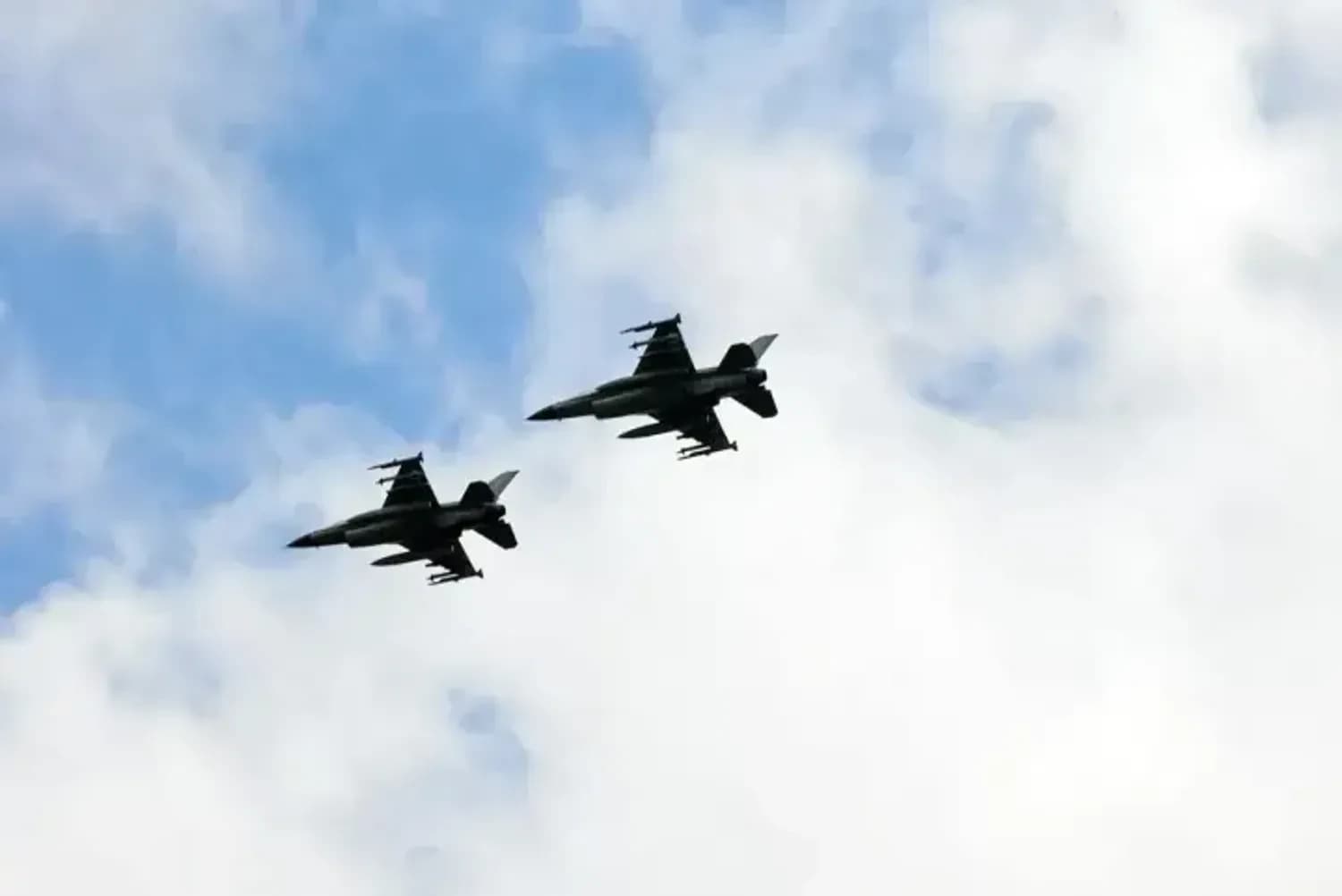
China Resumes Large Scale Military Flights Around Taiwan, Taiwan Reports 26 Aircraft in 24 Hours
14 sources compared

Apple Cuts China App Store Commissions to 25% After Regulator Pressure
25 sources compared

Trump Opens Broad Trade Investigation Targeting China, Mexico and EU; Beijing Calls It Political Manipulation
11 sources compared