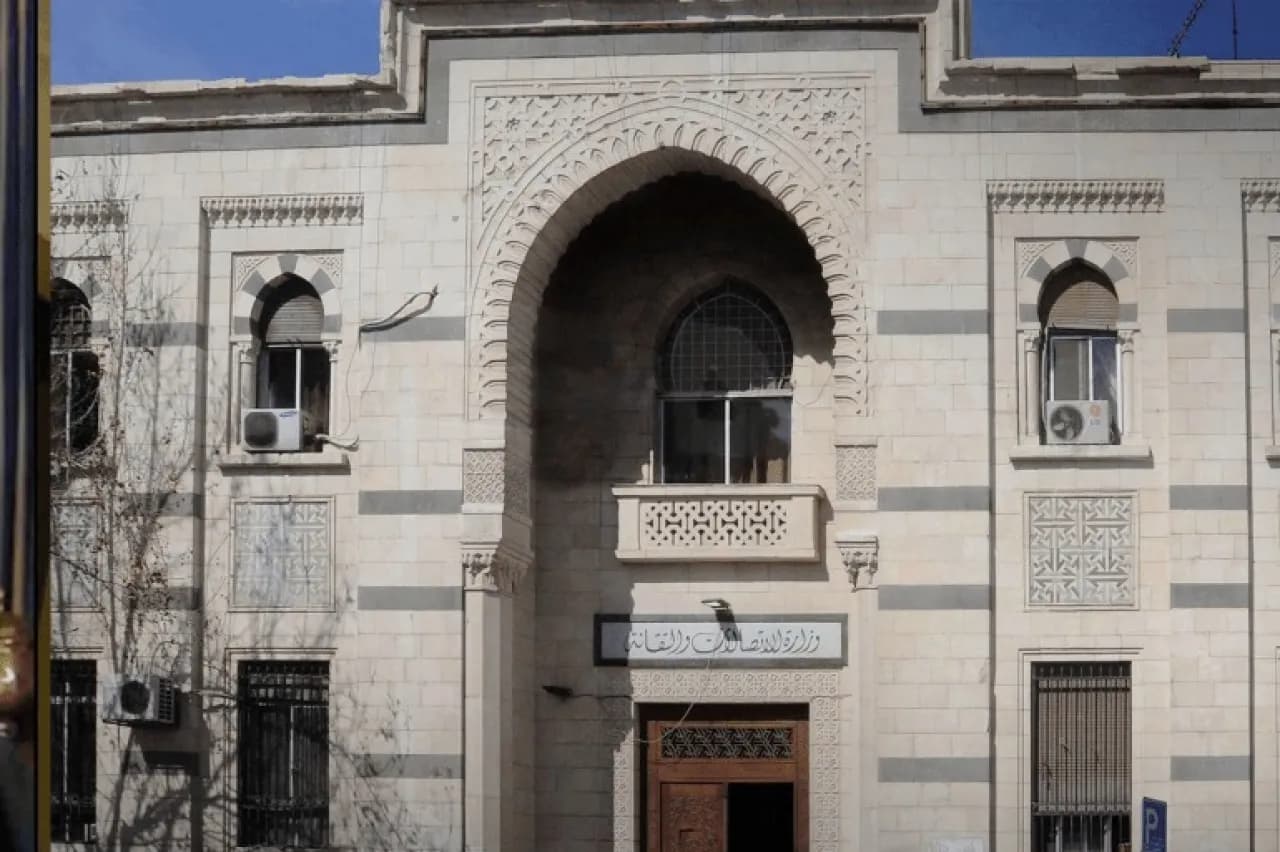
United States Warns Syria Against Deploying Chinese Telecom Technology Over National Security Risks
Key Takeaways
- United States warned Syria that Chinese telecommunications technology poses security risks.
- Message delivered in an unannounced San Francisco meeting with Syrian Communications Minister Abd al-Salam Heikal.
- Syria is considering adopting Chinese technology for its telecommunications sector.
US warning on Chinese telecoms
The United States explicitly warned Syria against adopting Chinese telecommunications technology during recent bilateral talks.
“The United States warned Syria against adopting Chinese telecommunications technology because of its security risks and its conflict with Washington's interests, according to sources familiar with the matter who told Reuters”
That warning was delivered in a meeting between a U.S. team and Syrian counterparts.

Khaberni, citing Reuters, reported the U.S. warning said Chinese telecom gear 'poses security risks and conflicts with Washington’s interests' and that it was delivered in an undisclosed meeting.
Al-Jazeera Net described talks in San Francisco between the U.S. State Department and Syrian Communications Minister Abd al-Salam Heikal in which U.S. officials 'urged Syria to use American or allied telecommunications technology'.
Devdiscourse noted that 'The U.S. has urged Syria to prioritize security when choosing technology providers'.
Security concerns over Chinese tech
U.S. officials framed the concern as a national-security and privacy issue, warning that Chinese law can compel firms to share sensitive data and urging countries to prioritize security and privacy over cheaper equipment.
Al-Jazeera Net quoted the U.S. State Department on Chinese legal obligations and the related security risk.

Khaberni reiterated the U.S. characterization that Chinese technology poses security risks.
Devdiscourse echoed Washington’s focus on security as central to procurement choices amid Syria’s rebuilding needs.
Syria openness to U.S. firms
Syrian officials and business sources signalled openness to U.S. partners but stressed practical constraints and a need to move quickly.
“Khaberni - The United States has warned Syria against adopting Chinese telecom technology due to its security risks and its conflict with Washington's interests, according to informed sources at Reuters”
Al-Jazeera Net reported that Syria said it is "open to partnering with U.S. companies" while stressing projects are urgent and "hindered by U.S. export controls and 'excessive compliance' with them."
The Syrian Ministry of Communications told Al-Jazeera Net that equipment decisions "follow national technical and security standards."
Devdiscourse noted that "progress is complicated by export controls" and infrastructure shortages outside major cities.
Khaberni's report noted the warning occurred in a meeting whose further details were not released, underscoring limited transparency about concrete next steps.
Syria telecom dependence
Multiple sources describe Syria’s telecom sector as heavily dependent on Chinese equipment, uneven outside cities, and in need of investment to recover from war damage.
Al-Jazeera Net reported that "Huawei reportedly supplies over half of the networks for the country’s two operators, Syriatel and MTN," and that coverage outside cities is weak and speeds are poor.
Devdiscourse similarly highlighted the "shortage of adequate telecommunications infrastructure outside major cities" and said Syria is "seeking foreign investment and plans to strengthen its private telecom sector to recover from war-related damage."
Khaberni’s account of the U.S. warning about Chinese technology provides context for why dependence on Chinese gear is central to the current dispute.
Syria, China and US dispute
The situation contains unresolved elements and competing claims.
“US Warns Syria Against Chinese Tech in Telecom Revamp The United States has expressed concern over Syria's consideration of Chinese technology for its telecommunications sector, citing national security threats”
Syria wants to diversify suppliers and move quickly while U.S. officials press security priorities.
China has denied accusations that its technology is used for spying.
Al-Jazeera Net recorded Syria saying it wants to 'diversify suppliers and move quickly' and noted that 'China denies using its technology for spying'.
Devdiscourse emphasised that despite investment plans, 'challenges remain'.
Khaberni underlined the limited public detail, saying the warning was delivered in an undisclosed meeting and 'no further details were released'.
That leaves the timing, terms and follow-up measures unclear.
More on Syria

Israel Strikes Syrian Army Camps After Druze Attacks, IDF Says
17 sources compared
US and Israel Kill Iran's Supreme Leader in Wide-Ranging Strikes
24 sources compared

Israel's Strikes on Lebanon Force Tens of Thousands Back Into Syria as Crossings Reopen
14 sources compared

Syria Deploys Army Units Along Lebanon And Iraq Borders, Says Measure Is Defensive
16 sources compared