
UK Allows US to Use Bases to Strike Iran Missile Sites Near Hormuz
Key Takeaways
- UK approves expanded US use of its bases to strike Iranian missile sites.
- Missile sites targeted are used by Tehran to attack ships in the Strait of Hormuz.
- UK frames the move as collective self-defence and defensive operations.
UK Authorizes Base Use
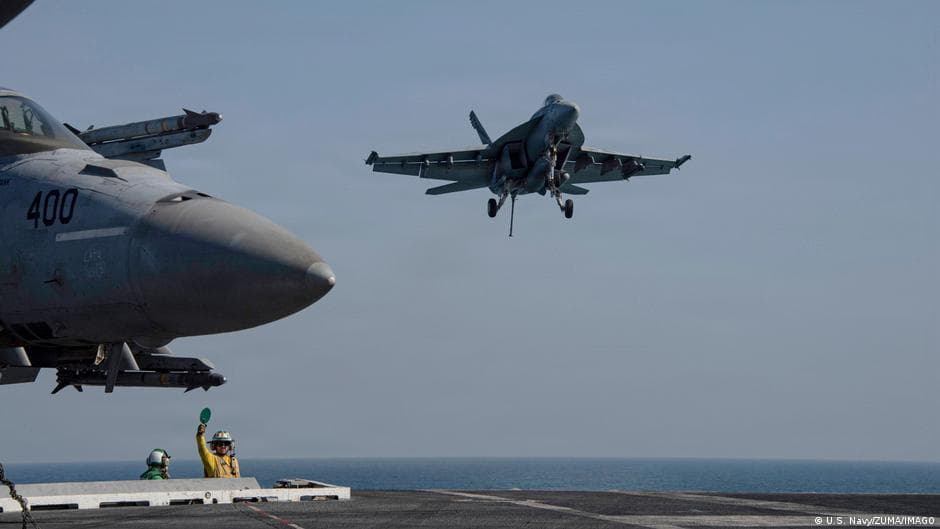
The United Kingdom government has authorized the United States to use British military bases for carrying out strikes against Iranian missile sites targeting shipping in the Strait of Hormuz.
“- Published The UK has agreed to allow the United States to use British bases to launch strikes on Iranian sites targeting the Strait of Hormuz”
This marks a significant escalation in Western involvement in the ongoing Middle East conflict.

British ministers met on Friday to discuss the war with Iran and Iran's continued blockade of the strategically important waterway.
A Downing Street statement confirmed that 'the agreement for the US to use UK bases in the collective self-defence of the region includes US defensive operations to degrade the missile sites and capabilities being used to attack ships in the Strait of Hormuz.'
This decision comes amid escalating attacks by Iran on vessels and oil and gas facilities in the region.
UK officials condemn what they describe as 'reckless' Iranian strikes that risk pushing the region further into crisis.
Political Fallout
The decision has sparked significant political controversy in the UK, with opposition Conservative Party leader Kemi Badenoch immediately labeling it the 'mother of all U-turns.'
This criticism stems from Prime Minister Keir Starmer's previous position, where he had blocked a request for U.S. planes to use British bases for attacks on Iran.
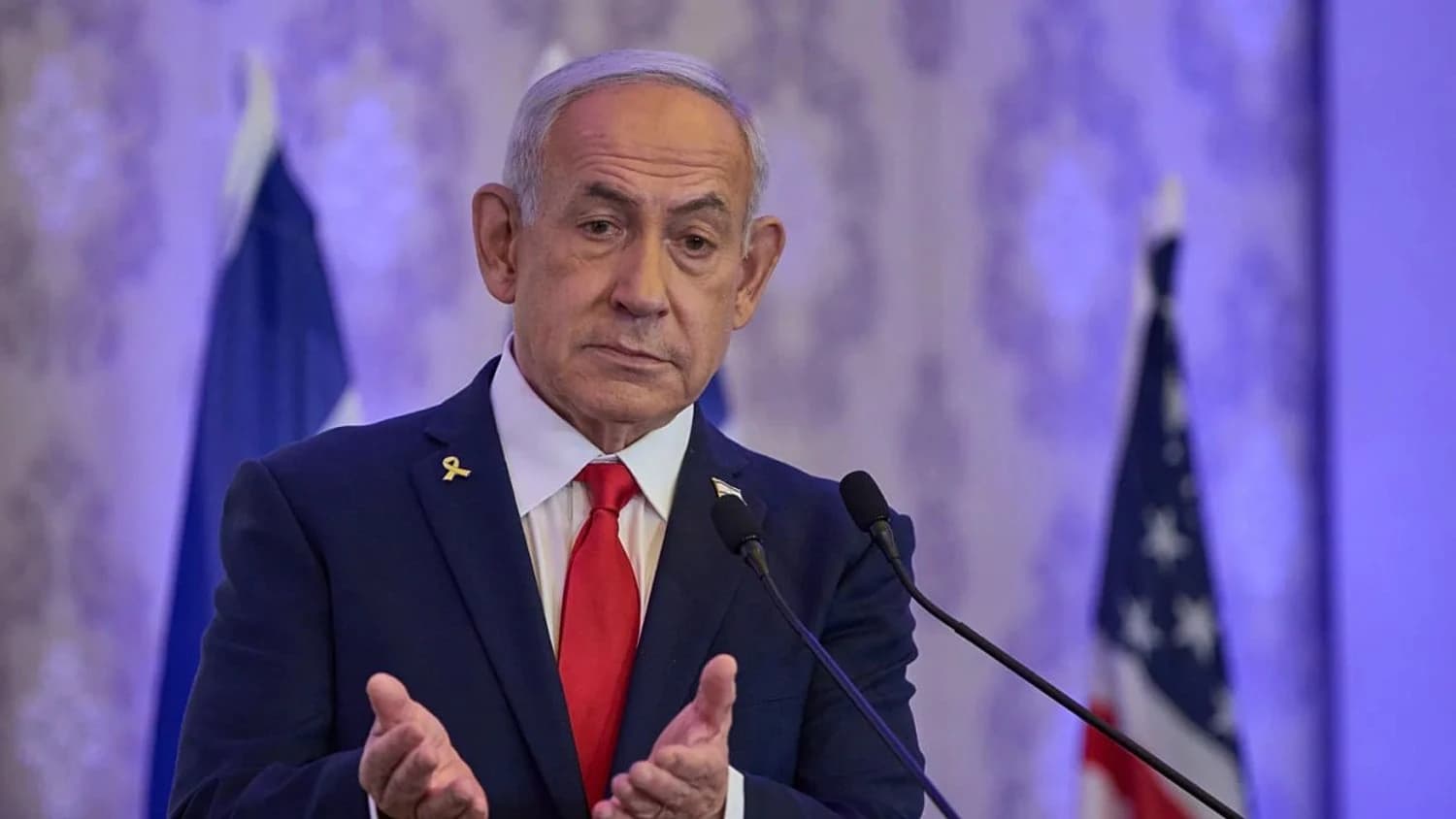
The political fallout extends across the Atlantic as well, with President Trump repeatedly attacking British Prime Minister Starmer since the conflict began.
Trump complained that Starmer was not doing enough to help in the Middle East situation.
Trump went so far as to call NATO members 'cowards' for declining to use their navies to help traffic through the strategic waterway.
Trump posted on Truth Social that 'Without the U.S.A., NATO IS A PAPER TIGER!'
UK Stance Principles
Despite the escalation in military cooperation, the UK government has stressed that its principles regarding the conflict remain unchanged.
“The British government partially reversed course Friday, allowing the US to use UK bases to carry out airstrikes aimed at clearing the Strait of Hormuz of Iranian obstacles”
Downing Street officials emphasized that 'the principles behind the UK's approach to the conflict remain the same: the UK remains committed to defending our people, our interests and our allies, acting in accordance with international law and not getting drawn into the wider conflict.'
The government has condemned Iran's expansion of its targets to include international shipping.
UK officials warn that these 'reckless strikes risked pushing the region further into crisis and worsening the economic impact being felt in the UK and around the world.'
Despite these concerns, UK officials have called for 'urgent de-escalation and a swift resolution to the war.'
UK Position Evolution
The UK's decision represents a significant evolution in its position since the high-intensity US-Israeli war began on February 28.
Initially, the UK had allowed US forces to use British bases only for defensive operations aimed at protecting British interests or lives at risk.

This included situations like when missiles from Tehran targeted UK forces on Cyprus early in the conflict.
However, shortly after Tehran launched its retaliatory campaign in response to joint U.S.-Israeli strikes, Starmer reversed course.
Starmer approved U.S. use of Diego Garcia on the Chagos Islands and RAF Fairford in the U.K. for parts of its military operation.
Friday's decision now extends this authorization to include strikes specifically targeting Iranian missile capabilities threatening commercial shipping in the Strait of Hormuz.
This moves the UK closer to direct involvement in offensive operations against Iranian targets.
Future Plans
Looking ahead, the UK government has indicated it is working closely with international partners to develop 'a viable plan' to safeguard commercial shipping in the Strait of Hormuz.
“UK allows US to use its bases to strike Iran missile sites targeting Hormuz Trump has repeatedly attacked British PM Starmer since the conflict started, complaining he was not doing enough to help The UK government gave authorisation on Friday for the US to use military bases in Britain to carry out strikes on Iranian missile sites that are attacking ships in the Strait of Hormuz”
Details on any proposals have remained scant so far, according to the sources.

This comes as the UK continues to assert that it is 'on its own path, one not dictated by the U.S.' in its approach to the conflict.
However, Britain's expanding role in the conflict has prompted growing debate over whether the distinction between defensive operations and wider involvement is becoming increasingly difficult to maintain.
The government faces challenges in balancing its commitments to allies with its stated commitment to avoiding broader entanglement in the Middle East conflict.
Particularly as the economic impacts of shipping disruptions begin to be felt more acutely in the UK and globally.
More on Iran

Iran Attacks Kuwaiti Oil Refinery as Tehran Steps Up Gulf Attacks
21 sources compared

Police Scotland Arrest Iranian Man and Woman After Breach Attempt at Faslane Nuclear Submarine Base
14 sources compared

Israel strikes South Pars gas field; Iran attacked Gulf energy sites
38 sources compared
Iran Targets Gulf Oil and Gas Facilities
74 sources compared