Iran Targets Gulf Oil and Gas Facilities
Key Takeaways
- Iran retaliated by striking Gulf energy facilities, including Ras Laffan LNG.
- Israel attacked Iran's South Pars gas field, escalating the conflict.
- Global energy markets saw volatility and price spikes amid Gulf energy attacks.
Iranian Retaliation
Iran launched widespread missile and drone attacks against critical oil and gas infrastructure across Gulf Arab nations following Israel's airstrike on the South Pars gas field.
The attacks targeted major energy facilities in Saudi Arabia, Qatar, the United Arab Emirates, Kuwait, and Bahrain, causing extensive damage.

Iranian authorities issued evacuation warnings for specific energy sites before launching their strikes.
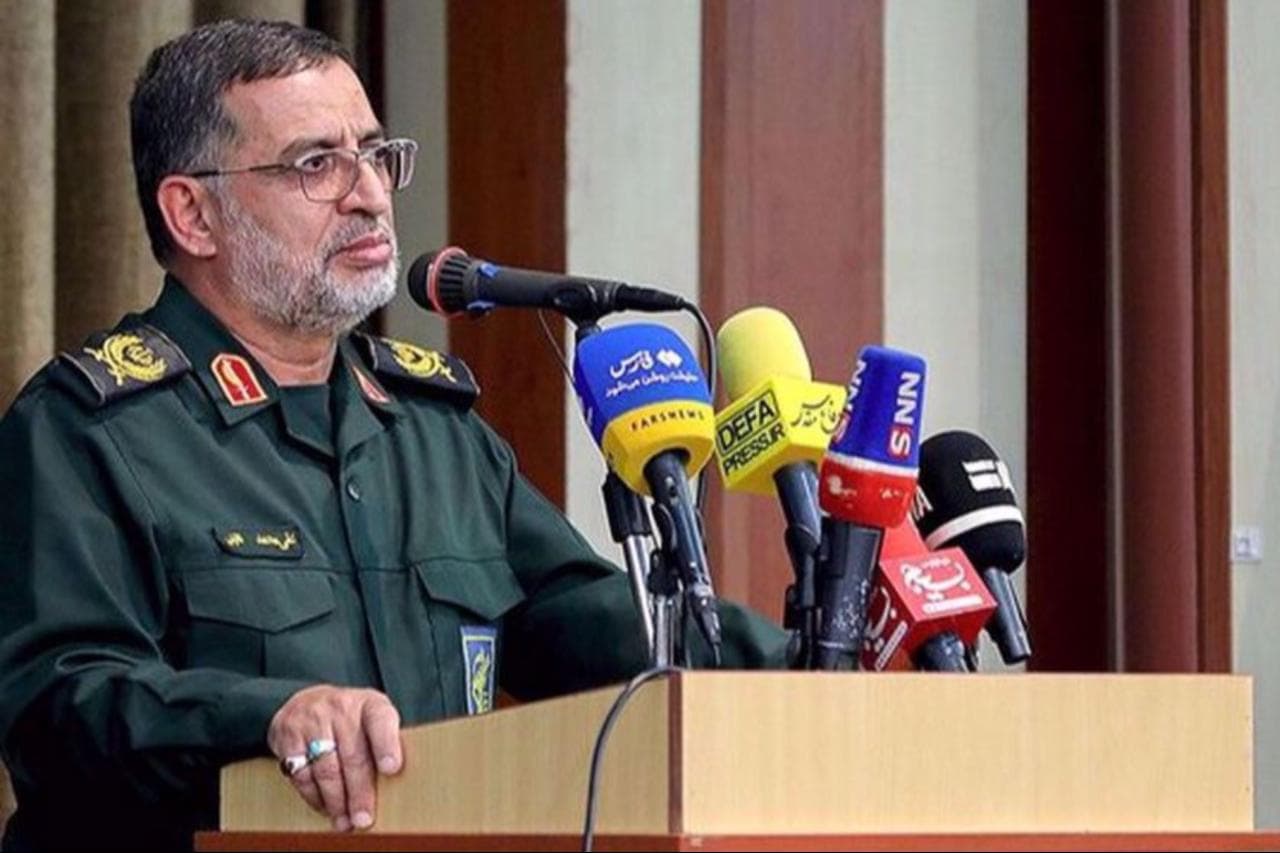
The Islamic Revolutionary Guards Corps Navy warned that 'oil facilities associated with America are now on par with American bases and will come under fire with full force.'
The attacks represented Iran's response to Israeli aggression against its energy infrastructure.
Particular damage was inflicted on Iran's Asaluyeh refinery in the South Pars field, which typically produces about 100 million cubic meters of gas daily.
Market Impact
The attacks on Gulf energy infrastructure triggered immediate consequences for global energy markets.
Oil and gas prices surged to multi-year highs, with Brent crude reaching nearly $111 per barrel.

European natural gas prices surged by more than 6% following the strikes.
Damage to Qatar's Ras Laffan Industrial City reduced its LNG export capacity by 17%.
The facility is expected to cost $20 billion in lost revenue annually.
Repairs could take three to five years, according to energy officials.
Analysts warned the destruction would fundamentally alter global gas market outlook.
The Strait of Hormuz remained largely closed, exacerbating supply concerns.
Diplomatic Fallout
The attacks created significant diplomatic tensions between the United States and Israel.
“I’m not going to telegraph that,” he added”
President Trump distanced himself from Israel's strike on the South Pars gas field.
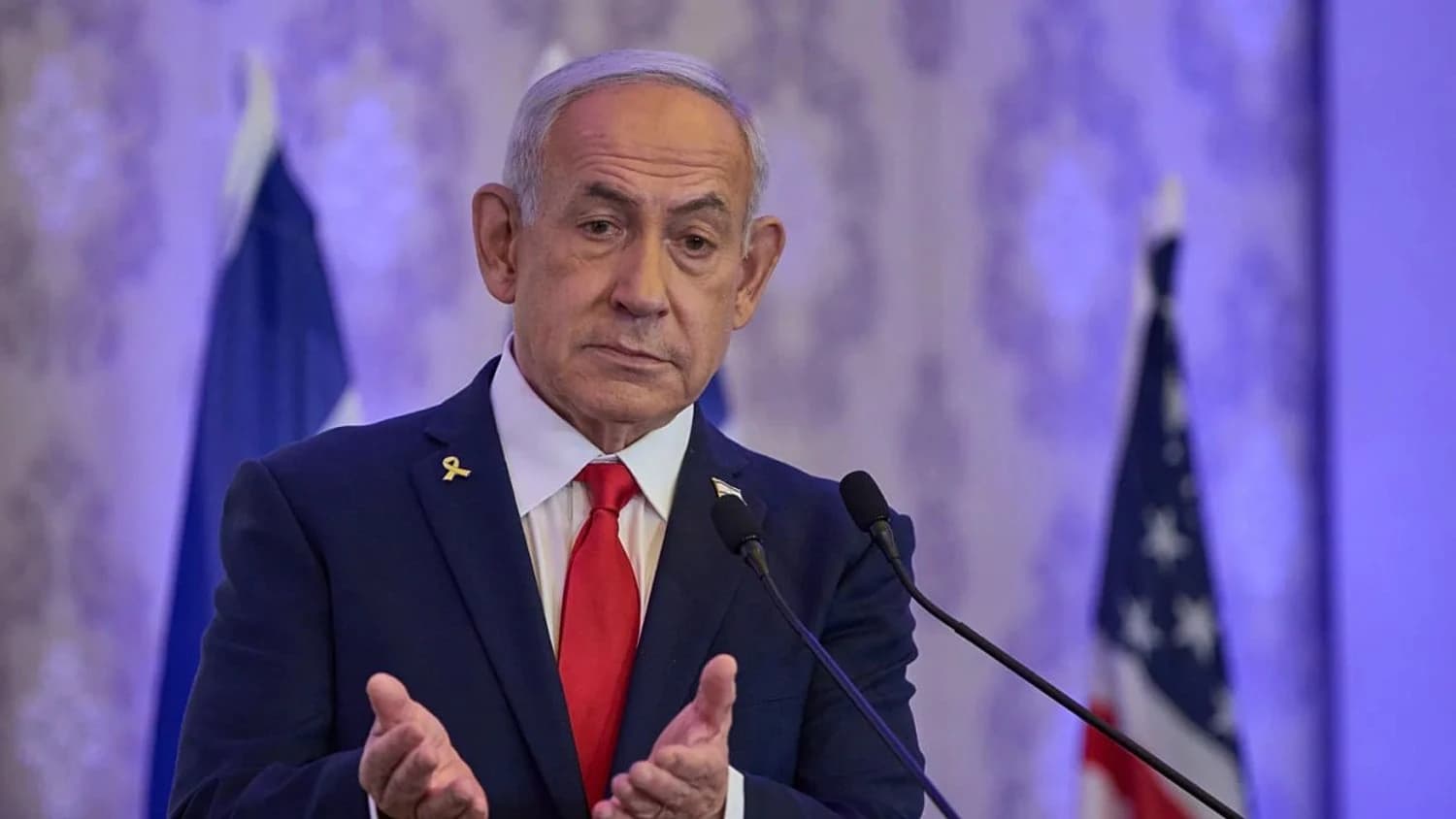
Trump claimed the US 'knew nothing about' the attack and had warned Netanyahu not to strike Iranian energy infrastructure again.
Netanyahu insisted Israel acted alone with the strike.
The White House was reportedly unsettled by the attack.
Trump warned the US would 'blow up' South Pars if Tehran continued attacking Qatar.
Netanyahu rejected suggestions he had dragged Trump into the conflict.
Three Israeli officials said the operation had been coordinated with the United States, contradicting Trump's claims.
International Response
The attacks prompted strong condemnation from Gulf Arab states and international community.
Saudi Arabia, Qatar, and the UAE all denounced the Iranian attacks.

The UAE called the strikes 'a dangerous escalation' that threatened global energy security.
Qatar's foreign ministry described the Israeli attack on South Pars as 'dangerous' and 'irresponsible.'
Arab League Secretary-General Ahmed Aboul Gheit called the attacks a 'dangerous escalation.'
French President Emmanuel Macron condemned the 'reckless escalation' and called for 'direct talks between the Americans and Iranians.'
The United Nations Security Council held an urgent closed meeting discussing the attacks.
Western powers promised assistance to secure shipping routes but emphasized reluctance to intervene directly.
Strategic Targets
The Iranian attacks targeted strategic energy infrastructure that Gulf nations hoped would bypass the Strait of Hormuz.
“The dramatic developments came shortly after Anwar Gargash, a senior advisor to the United Arab Emirates’ president, said on Tuesday that Iranian attacks on Gulf states could push them closer to Israel and the U”
Strikes hit Saudi Arabia's SAMREF refinery in Yanbu, developed as a western alternative to Hormuz.

Refineries in Kuwait's Mina Abdullah and operations in Abu Dhabi were also targeted.
Critical facilities damaged included Qatar's Ras Laffan LNG hub and Saudi Aramco's Eastern Province refineries.
Dubai reported successful 'all air interception operations' with no injuries.
The attacks demonstrated vulnerabilities in Gulf air defense systems.
Iranian Foreign Minister Abbas Araghchi warned of 'ZERO restraint' if Iranian infrastructure was struck again.
Military spokesman Ebrahim Zolfaqari threatened 'complete destruction' of Gulf energy infrastructure.
More on Iran

Iran Attacks Kuwaiti Oil Refinery as Tehran Steps Up Gulf Attacks
21 sources compared

Police Scotland Arrest Iranian Man and Woman After Breach Attempt at Faslane Nuclear Submarine Base
14 sources compared

Israel strikes South Pars gas field; Iran attacked Gulf energy sites
38 sources compared
Israel kills IRGC spokesperson Ali Mohammad Naeini in Israeli strike
13 sources compared