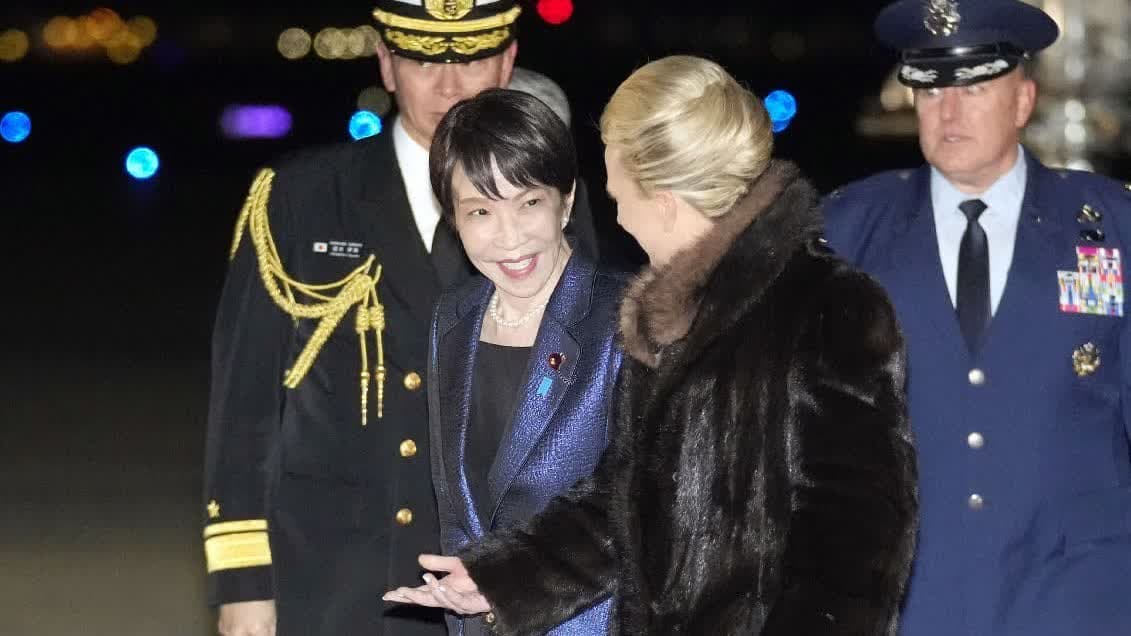
Trump Welcomes Japanese Prime Minister Takaichi as She Strives to Reinforce Alliance in Washington
Key Takeaways
- Takaichi arrives in Washington to bolster the U.S.-Japan alliance ahead of summit.
- Trump welcomes Takaichi at White House to reaffirm U.S.-Japan alliance.
- Visit under shadow of Iran war as Trump urged help patrolling Hormuz.
Summit Challenges
Prime Minister Sanae Takaichi arrived in Washington on March 19, 2026 for a summit with President Trump.
“Chez CNEWS, nous respectons votre vie privée et c'est grâce à la publicité personnalisée que nous vous permettons de recevoir à chaque instant et gratuitement une information de qualité”
The summit was initially intended to demonstrate the strength of the Japan-U.S. alliance and highlight future Japanese investments in the United States.
The focus has shifted significantly due to the ongoing war in Iran, creating complex diplomatic challenges.
The Diplomat describes Takaichi's task as 'impossible' as she seeks to maintain alliance cohesion while addressing disagreements over Iran policy.
Takaichi arrived with strategic assets including plans to deliver 250 cherry blossom trees for America's 250th birthday celebrations.
Her trade minister has been finalizing agreements on AI data centers, energy infrastructure, and artificial diamonds.
Diplomatic Dance
The summit began with tensions during a public appearance where Trump made an uncomfortable Pearl Harbor joke.
Trump asked 'Who knows better about surprise than Japan? Why didn't you tell me about Pearl Harbor, OK?' when questioned about Iran strike notifications.

The remark caused Takaichi's expression to change, though she maintained diplomatic composure.
Takaichi was seen checking her watch during Trump's comments about Iran.
Despite the rocky start, the evening saw a dramatic turnaround at the dinner.
Trump called Takaichi 'a spectacular woman' during the dinner.
Takaichi referred to the leaders as 'best buddies' and declared 'Japan is back' in English.
Iran Pressures
The Iran war has created significant pressure on Takaichi as Trump demands Japanese involvement in protecting the Strait of Hormuz.
“Japan's prime minister visits the White House under shadow of Iran war SEOUL — Japan Prime Minister Sanae Takaichi will be the first U”
Trump repeatedly complained that allies including Japan did not heed his requests to safeguard the critical waterway.
The Japanese leader faces constitutional constraints prohibiting the use of force except to defend its territory.
Takaichi acknowledged the meeting would be 'very difficult' before departing Japan.
She had to brief Trump on Japan's legal limitations regarding military involvement.
The Iran discussions forced Takaichi to delay her planned trip to China.
This complicates Japan's delicate diplomatic balancing act between the U.S. and China.
Economic Partnerships
Despite tensions over Iran, the summit yielded significant economic cooperation.
A $40 billion nuclear reactor deal was announced between U.S.-based GE Vernova and Japan-based Hitachi.
The deal involves building advanced small modular reactors in Tennessee and Alabama.
The agreement aims to stabilize electricity prices and expand power generation in the U.S.
This represents a major component of Takaichi's strategy to reinforce the alliance through economic partnership.
Meanwhile, Tokyo is investing in generative AI for administrative operations.
The Tokyo government is collaborating with GovTech to develop an open-source 'generative AI platform'.
Strategic Context
Takaichi is Japan's first female prime minister and hard-line conservative.
“Recent Features Subscribe for ads-free reading”
She is a protégé of former leader Shinzo Abe and developed a close relationship with Trump in October 2025.
Her conservative stance on Taiwan has heightened tensions with China.
She has expressed Japan's willingness to provide military support to Taiwan.
The summit occurs amid U.S. troop shifts from Japan to the Middle East.
These troop shifts remove a check against China's power.
China is launching numerous exercises around Taiwan simultaneously.
Experts warn this could distract the U.S. when deterrence in East Asia is most needed.
Takaichi must secure U.S. commitment to Indo-Pacific while addressing Middle East concerns.
More on USA

TSA Officers Quit as Funding Lapse Leaves Screeners Unpaid
12 sources compared

Trump administration sues Harvard for failing to protect Jewish and Israeli students
39 sources compared
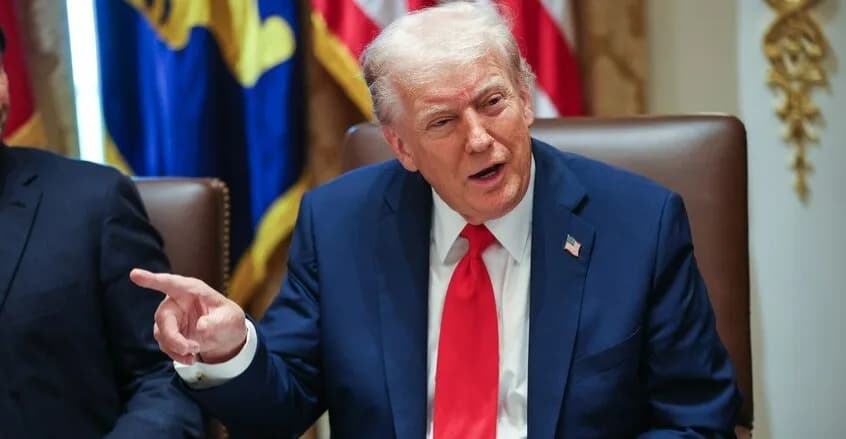
President Trump Slams NATO as Cowards as Marines and Warships Head to the Middle East
44 sources compared
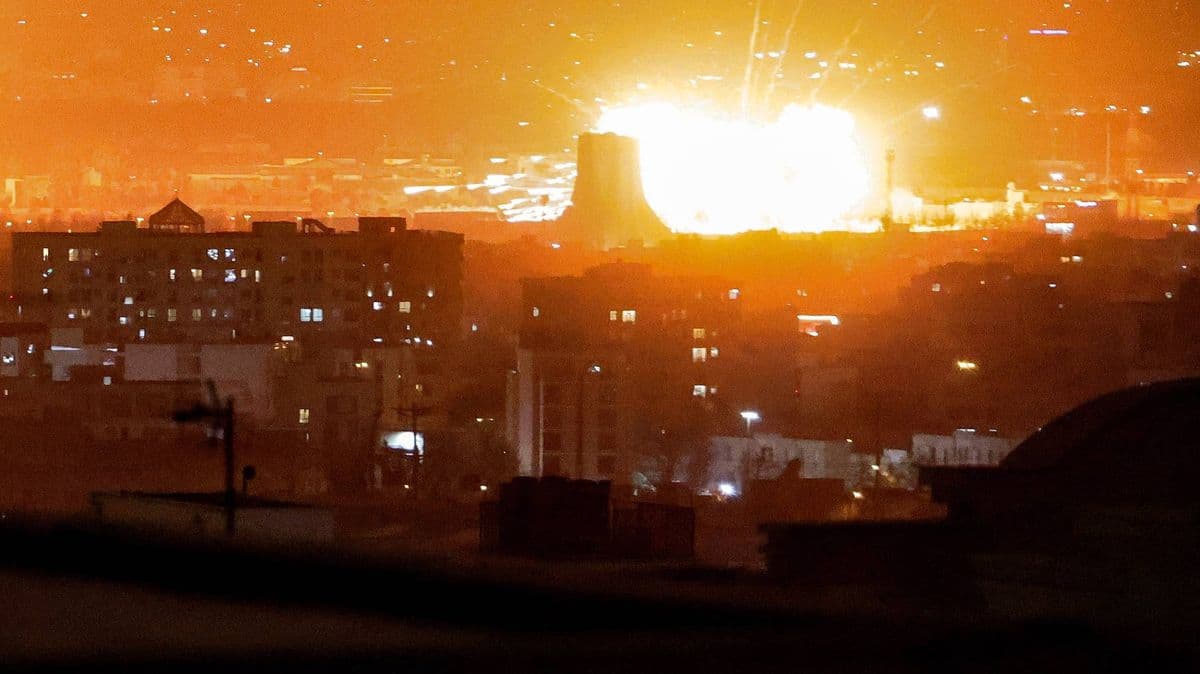
Iran Threatens Global Tourist Sites Worldwide
14 sources compared