
TSA Officers Quit as Funding Lapse Leaves Screeners Unpaid
Key Takeaways
- TSA officers are quitting as screeners work without pay amid funding lapse.
- Unpaid staffing shortages push longer security lines nationwide.
- Pay disruptions drive resignations and create staffing gaps.
Staffing Crisis
The ongoing partial government shutdown has created a severe staffing crisis at Transportation Security Administration checkpoints nationwide.
““They’re keeping us safe”
Approximately 50,000 essential TSA employees have been working without regular pay since the funding lapse began on February 14, 2026.
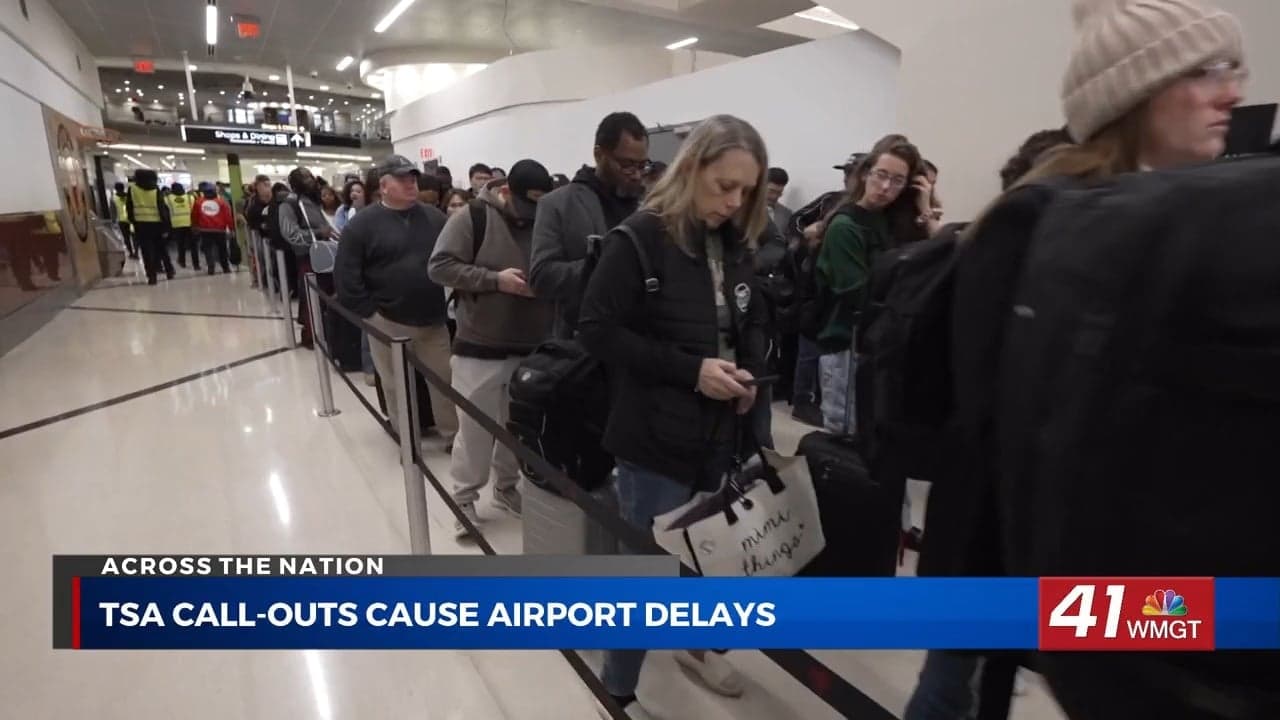
This unprecedented situation has resulted in alarming rates of absenteeism and resignations as screeners face mounting financial pressure.
The Department of Homeland Security reports that as many as 10% of TSA agents have called out on several days.
Absence rates have averaged 20% at some airports, with at least 376 officers quitting altogether since the shutdown began.
The funding stalemate intersects with a record-breaking spring travel period, with 171 million passengers expected to fly.
This creates perfect conditions for widespread airport disruptions during peak travel season.
Financial Hardship
The financial hardship faced by TSA officers has reached critical levels, forcing many to take drastic measures.
One TSA officer described working a seasonal side job screening college sports teams to supplement his income.
He stated that "even that isn't enough to keep up with basic expenses" after his paychecks were halted.
The financial pressure intensified for many when unexpected layoffs occurred in their households.
One officer's wife was laid off from her job while his income remained suspended.
Union leaders report officers facing vehicle repossessions, empty refrigerators, and overdrawn bank accounts.
Some officers cannot afford copayments for cancer treatments or medical care for their sick children.
The Department of Homeland Security emphasized officers are "going without pay for the third time in nearly six months."
Airport Disruptions
The staffing crisis has triggered widespread operational disruptions at airports across the country.
“Delays at TSA checkpoints across the US have been unpredictable in recent days, with some airports hit much harder and wait times varying massively from day to day”
Security wait times have stretched into hours and become increasingly unpredictable.
In major hubs like Houston, Atlanta, and New Orleans, passengers have reported delays long enough to cause missed flights.
Some airports have experienced wait times exceeding two hours.
The inconsistency has been particularly striking at Hartsfield-Jackson Atlanta International Airport.
The main security checkpoint saw two-hour waits early Friday before easing to less than five minutes by mid-afternoon.
Then it jumped back up to 75 minutes, showing extreme volatility.
Similar patterns have been observed at George Bush Intercontinental Airport in Houston.
Even Florida airports, while less affected, still show significant variations in wait times.
Staffing shortages have forced some airports to close checkpoints entirely.
Travel System Impact
The ripple effects of the TSA staffing crisis extend beyond security checkpoints.
They impact the entire air travel system and create significant challenges for passengers.

When security delays cause passengers to miss flights, airlines must rebook tickets.
This often leads to overbooked flights later in the day, causing further delays.
Planes wait for passengers to board, creating cascading effects throughout the airport ecosystem.
Gate congestion increases, baggage handling schedules are disrupted, and flight departures may be pushed back.
Business travelers feel particular pressure due to tight schedules.
Families traveling with children face added stress from longer waits.
International travelers face even higher stakes with missed connections.
Missing flights can mean missed vacations or business opportunities requiring overnight stays.
Long-term Concerns
The long-term implications of the current staffing crisis pose serious concerns for the Transportation Security Administration.
““It’s just exhausting”
Acting Deputy TSA Administrator Adam Stahl has warned that the shutdown could have lasting consequences for staffing.

He stated that attrition and recruitment would likely suffer significantly.
Stahl emphasized: "We saw an uptick of 25% attrition after the last shutdown, and so this is going to continue and worsen."
Former TSA Administrator John Pistole noted that about 1,100 officers quit during last year's shutdown.
The financial strain and uncertainty may deter new candidates from joining the agency.
This creates a vicious cycle of staffing shortages as experienced officers continue to leave.
The Department of Homeland Security acknowledged the "undue financial pressure has resulted in increased callouts and agents leaving the force."
With Congress scheduled to be out of Washington the first two weeks of April, the crisis shows no signs of abating.
Democrats indicate the department won't get funded until new restrictions are placed on federal immigration operations.
More on USA

US prosecutors probe Colombia's president Petro over possible drug trafficking ties
11 sources compared
Judge Paul Friedman Blocks Pentagon Press Policy, Orders Reinstatement of Reporters' Credentials
33 sources compared

Police Probe Death of Alabama Student James Gracey in Barcelona, Citing Possible Accident.
31 sources compared

Wahiawa Dam's imminent failure triggers 4,000 evacuations north of Honolulu
46 sources compared