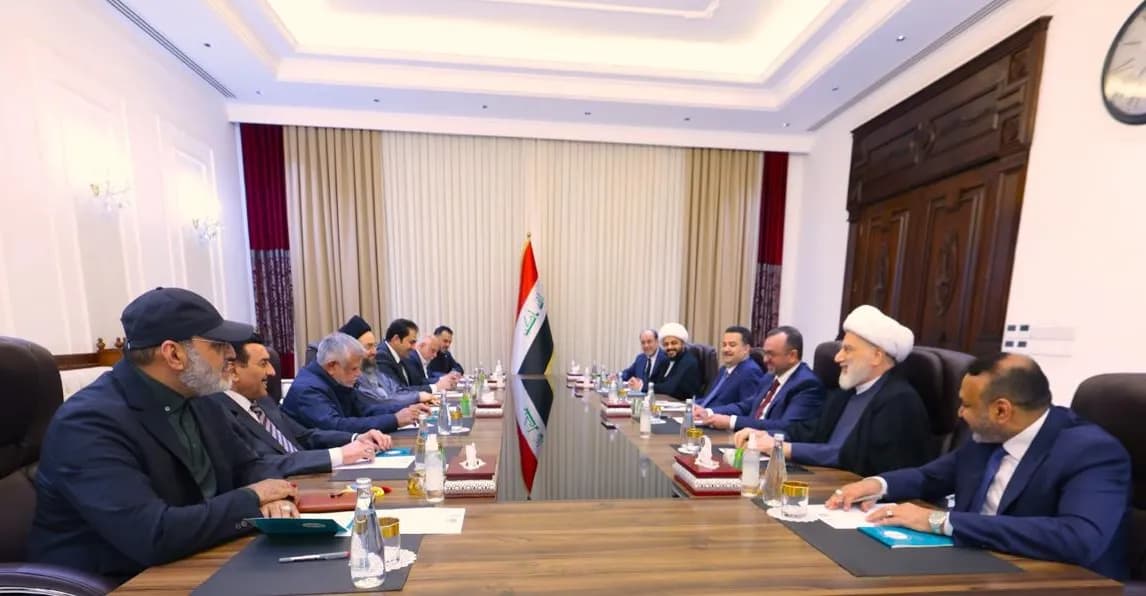
Trump Threatens To End U.S. Support If Iraq Reinstates Nouri al-Maliki As Prime Minister
Key Takeaways
- Trump warned the U.S. would end support for Iraq if Nouri al-Maliki returned to power.
- Nouri al-Maliki rejected the threat, called it violation of Iraq’s sovereignty, and continued candidacy.
- Iraq’s presidency and political blocs condemned U.S. interference, asserting government formation is sovereign.
U.S. warning on Maliki
US President Donald Trump publicly warned that Washington would withdraw support for Iraq if former prime minister Nouri al-Maliki is reinstated.
“Al-Maliki rejects Trump’s threat as a violation of Iraq’s sovereignty, suggesting that he will not withdraw his candidacy”
He posted on Truth Social that Iraq 'descended into poverty and total chaos' under Maliki and would have 'ZERO chance' of success without US help.

Maliki denounced the warning as 'blatant American interference,' said it violated Iraq's sovereignty, and vowed to press on with his candidacy after being nominated by the Shiite Coordination Framework.
The exchange drew wide attention and immediate pushback from Iraqi leaders, who framed the dispute as foreign meddling in a sovereign process.
Iraq government formation
The immediate political backdrop is a stalled government formation after November's election.
The Shiite Coordination Framework nominated Maliki after incumbent Mohammed Shia al-Sudani stepped aside.

A scheduled parliamentary session to elect a president was canceled for lack of quorum, delaying the formal appointment process.
Outlets note the Coordination Framework is the largest Shiite bloc.
Maliki's nomination revives memories of his 2006–2014 premiership, a period critics tie to sectarianism and the rise of ISIS.
Iran's Influence in Iraq
US concerns are repeatedly framed around Iran's influence in Iraq and the risk of a government aligned with Tehran.
“BAGHDAD / ISTANBUL Iraq’s presidency said Thursday it rejects any form of “foreign interference” in the country’s internal affairs, after US President Donald Trump’s opposition to electing former Prime Minister Nouri al-Maliki to a new term in power”
US officials and commentators have warned about restoring figures seen as close to Iran and about militants.
Some Iran-aligned groups reacted angrily to Trump's threat, calling it meddling and staging protests and condemnations.
US officials privately urged Iraqi leaders to curb the power of Iran-backed militias and reduce Tehran's sway over Baghdad.
Iraq: sovereignty and reactions
Iraqi official institutions and commentators framed the episode in terms of sovereignty and non-interference.
Iraq’s presidency publicly rejected foreign meddling and called for adherence to the constitution and election results, while state media and some regional outlets urged a balanced foreign policy respectful of Iraq’s process.

Maliki urged dialogue between states rather than "diktats," insisting he would follow the Coordination Framework’s decision and constitutional procedures.
Regional and strategic implications
Observers highlight broader regional and strategic implications.
“Former Iraqi Prime Minister Nouri al-Maliki has firmly rejected US President Donald Trump's threats regarding the withdrawal of support if al-Maliki returns to power”
Western outlets link the episode to US concerns about Iran’s expanding influence and to recent US actions, including reported transfers of Islamic State detainees to Iraq and talks of strikes on Iran.

Regional outlets view the row as part of Iraq’s ongoing balancing act between Tehran and Washington and as a potential obstacle to timely government formation.
The net result is pronounced uncertainty: sources say the political process is delayed and that external pressure could complicate coalition-building, but they disagree on which risk—loss of US support, renewed sectarian instability, or insult to sovereignty—is primary.
More on Middle East

President Trump issues 60-day Jones Act waiver to curb oil prices amid Iran war
14 sources compared
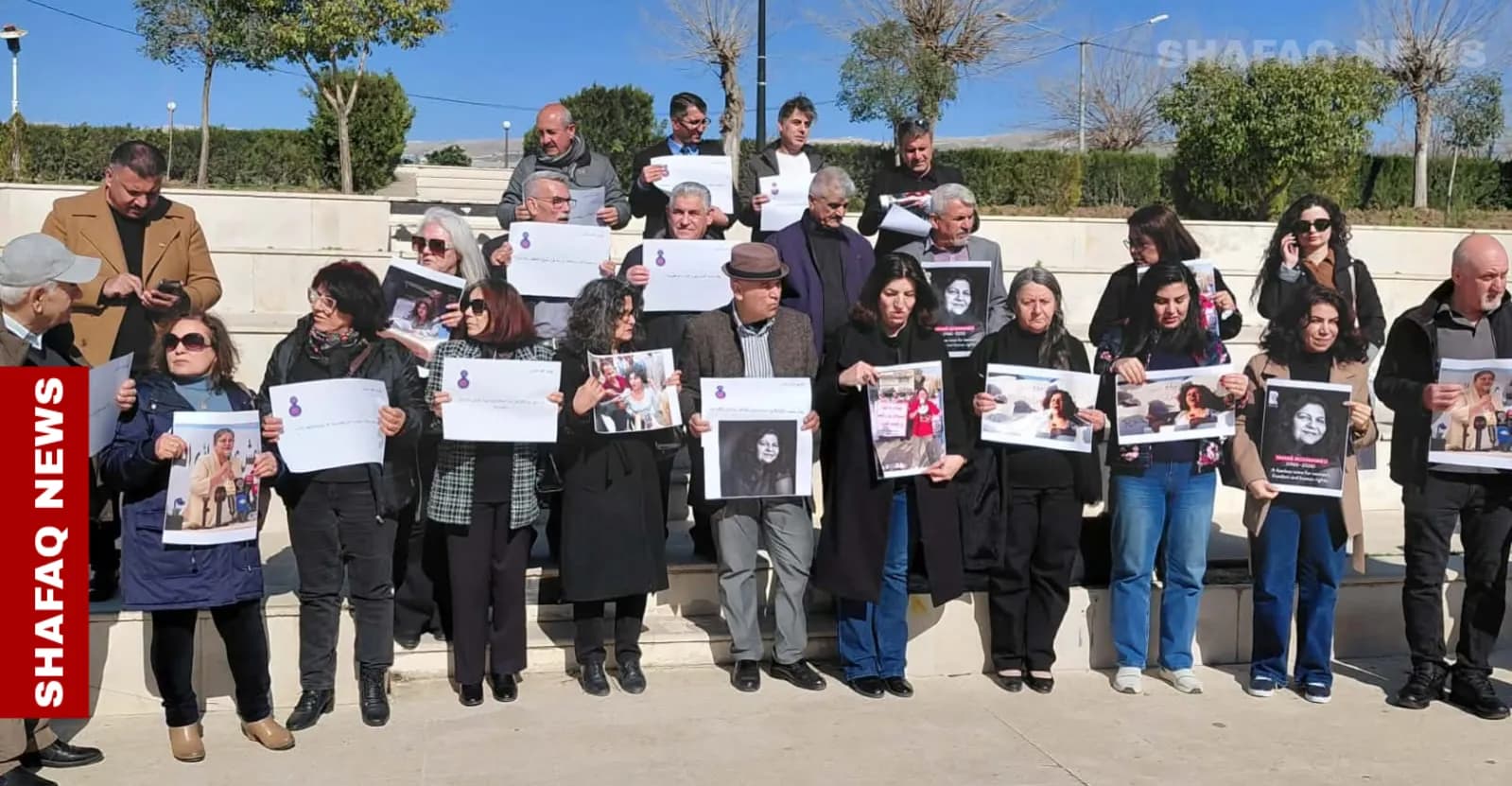
Unidentified Gunmen Assassinate Yanar Mohammed Outside Her Baghdad Home
12 sources compared

Israel Partially Reopens Rafah Crossing After Deadly Assault on Gaza
32 sources compared
Trump Threatens to Cut U.S. Support to Iraq if Nouri al‑Maliki Becomes Prime Minister
25 sources compared