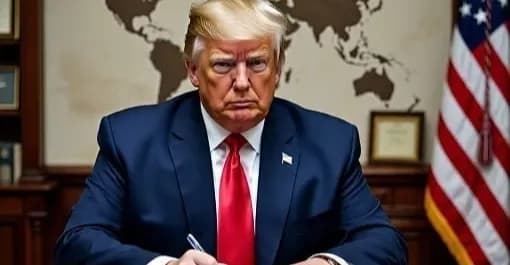
Trump Threatens to Cut U.S. Support to Iraq if Nouri al‑Maliki Becomes Prime Minister
Key Takeaways
- Trump warned he would cut U.S. support for Iraq if Nouri al-Maliki becomes prime minister.
- Maliki condemned Trump's warning as a violation of Iraq's sovereignty and rejected U.S. interference.
- Iraq's Shiite Coordination Framework nominated Nouri al-Maliki as its prime ministerial candidate.
Trump warns on Iraq support
Former U.S. president Donald Trump posted on Truth Social warning that the United States would withdraw or cut off support for Iraq if former prime minister Nouri al‑Maliki is reinstated as prime minister.
“Al-Maliki rejects Trump’s threat as a violation of Iraq’s sovereignty, suggesting that he will not withdraw his candidacy”
Trump described Maliki’s 2006–2014 tenure as having driven Iraq into 'poverty and total chaos'.

He also warned Iraq would have 'ZERO chance' or be a 'very bad choice' without U.S. support, language that was echoed across multiple outlets reporting the post and its fallout.
The threat followed the Shiite Coordination Framework’s nomination of Maliki and came amid broader U.S. concern about Tehran’s influence in Baghdad.
Warnings about Maliki's return
Analysts and many outlets framed the warning in light of Maliki's previous premiership (2006–2014), which critics link to sectarian policies and the collapse of security that preceded IS expansion.
Several sources described Maliki as aligned with Iran-backed factions, raising U.S. fears that his return would consolidate Tehran's influence in Baghdad.

Reports noted the Coordination Framework's endorsement and warned that a Maliki-led government would alarm Washington and potentially prompt the suspension of economic and security assistance that Iraq depends on.
Iraqi political reactions
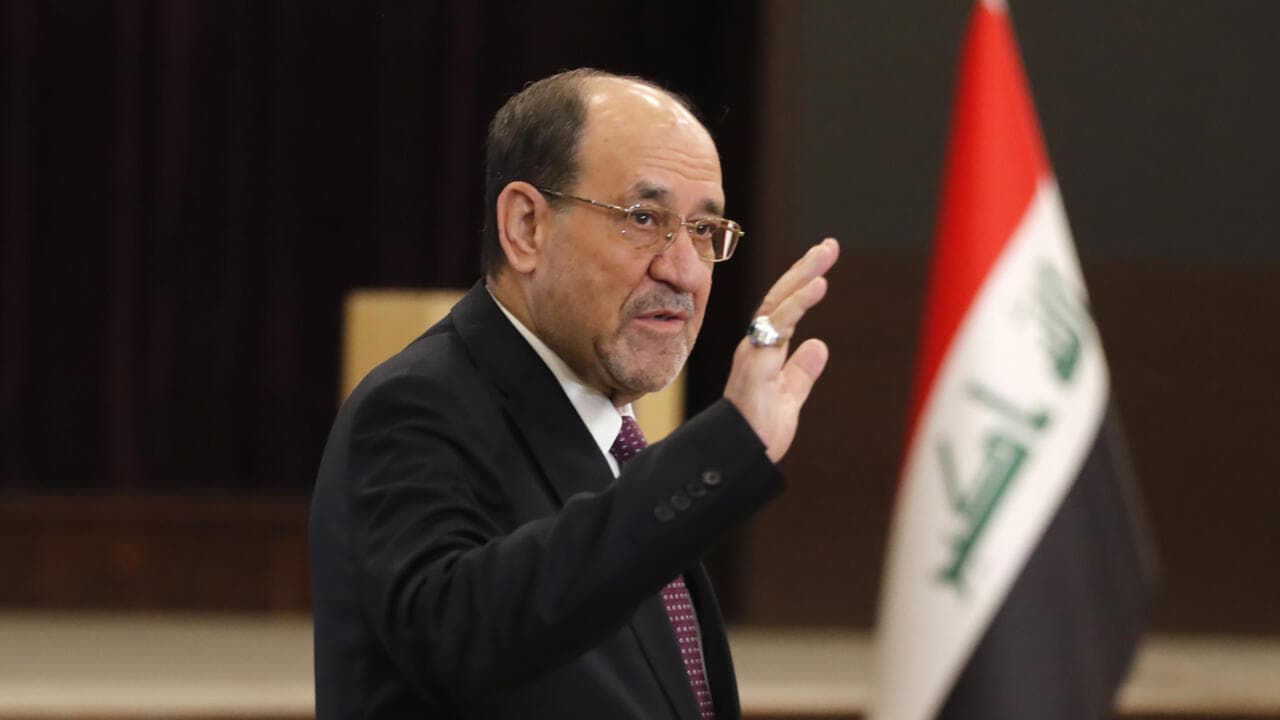
Iraqi political actors responded strongly; Maliki and pro-Shiite groups condemned the U.S. intervention as interference and a violation of sovereignty and pledged to press his candidacy.
“A former Iraqi prime minister has denounced threats made by US President Donald Trump to end US support for Iraq if he were to return to power”
Several West Asian outlets reported Maliki's rebuke of Washington as 'blatant American interference' and noted parliamentary delays over the presidential vote, which are part of Iraq's complex nomination and confirmation process.
U.S. pressure on Iraq
U.S. lawmakers and officials have intensified warnings beyond social-media rhetoric.
Senator Marco Rubio and other U.S. diplomats reportedly cautioned Iraqi counterparts that a government 'controlled by Iran' would strain the U.S.-Iraq partnership and could trigger concrete punitive steps.

Some reports placed Trump's message amid talk of possible strikes on Iran and diplomatic pressure targeting MPs and pro-Iran factions.
The reports signal that U.S. policy tools include diplomatic suspension, sanctions, and withholding transfers central to Iraq's budget.
Differences in media coverage
Western mainstream media (BBC, The Guardian, WTOP) framed the story around U.S. security concerns, Iran's influence, and the diplomatic leverage Washington could exert.
“Iraq’s leading candidate for prime minister, Nouri al-Maliki, on Wednesday denounced what he called Washington’s “blatant interference” after President Donald Trump threatened to end all US support if Maliki takes office”
West Asian outlets (Al Jazeera, TRT World, Press TV) prioritized Iraqi sovereignty, Maliki's condemnation of "blatant American interference", and local political dynamics.
Other and alternative outlets highlighted partisan language, militia responses, and the potential domestic fallout for Iraq.
These differences affect tone, ranging from policy-focused analysis to strong language about interference, and determine which facts are foregrounded or downplayed.
More on Middle East

President Trump issues 60-day Jones Act waiver to curb oil prices amid Iran war
14 sources compared
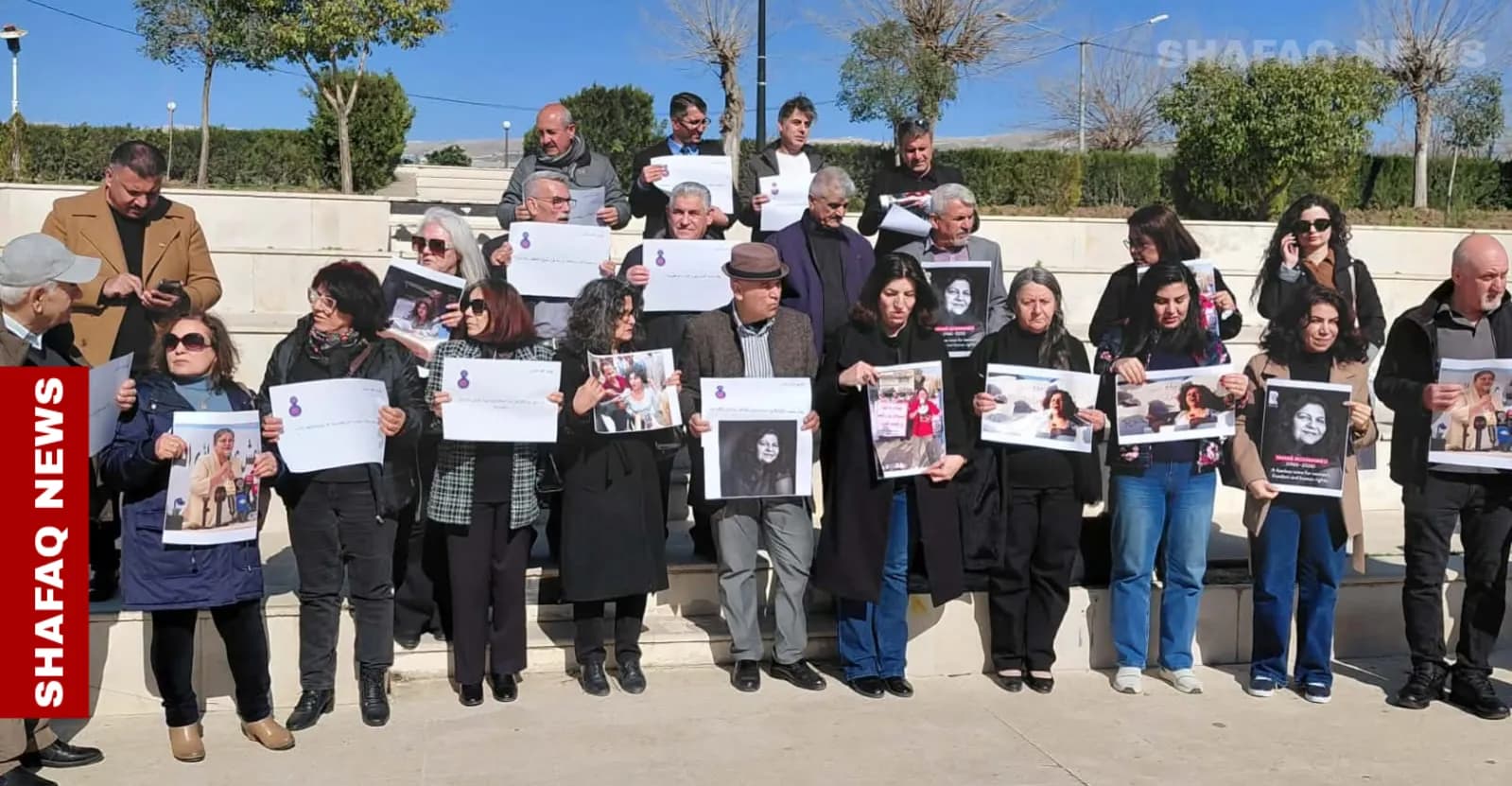
Unidentified Gunmen Assassinate Yanar Mohammed Outside Her Baghdad Home
12 sources compared

Israel Partially Reopens Rafah Crossing After Deadly Assault on Gaza
32 sources compared
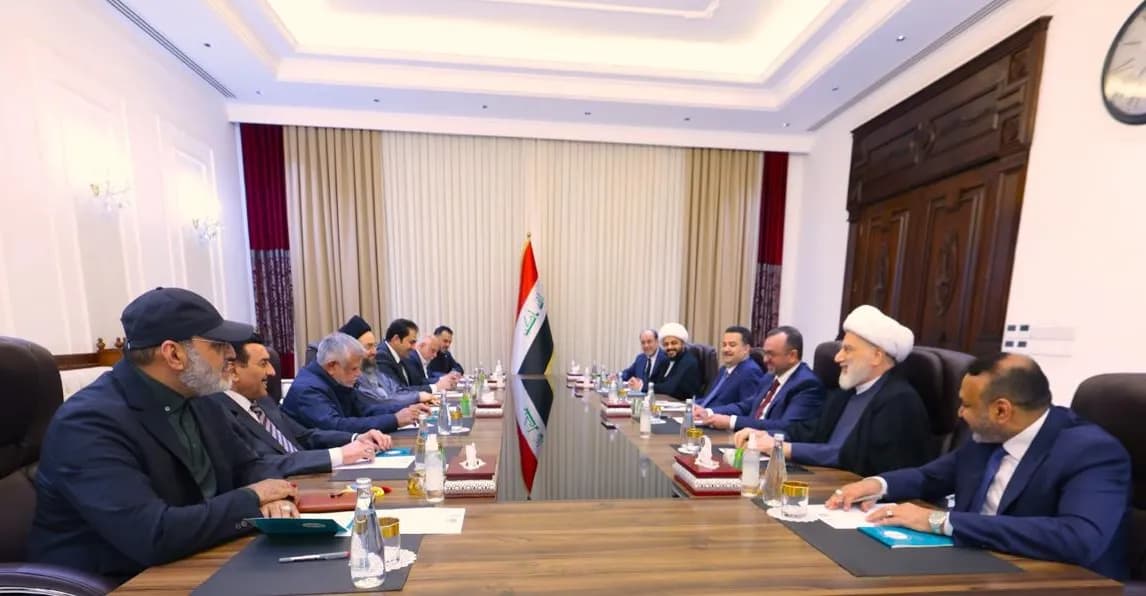
Trump Threatens To End U.S. Support If Iraq Reinstates Nouri al-Maliki As Prime Minister
21 sources compared