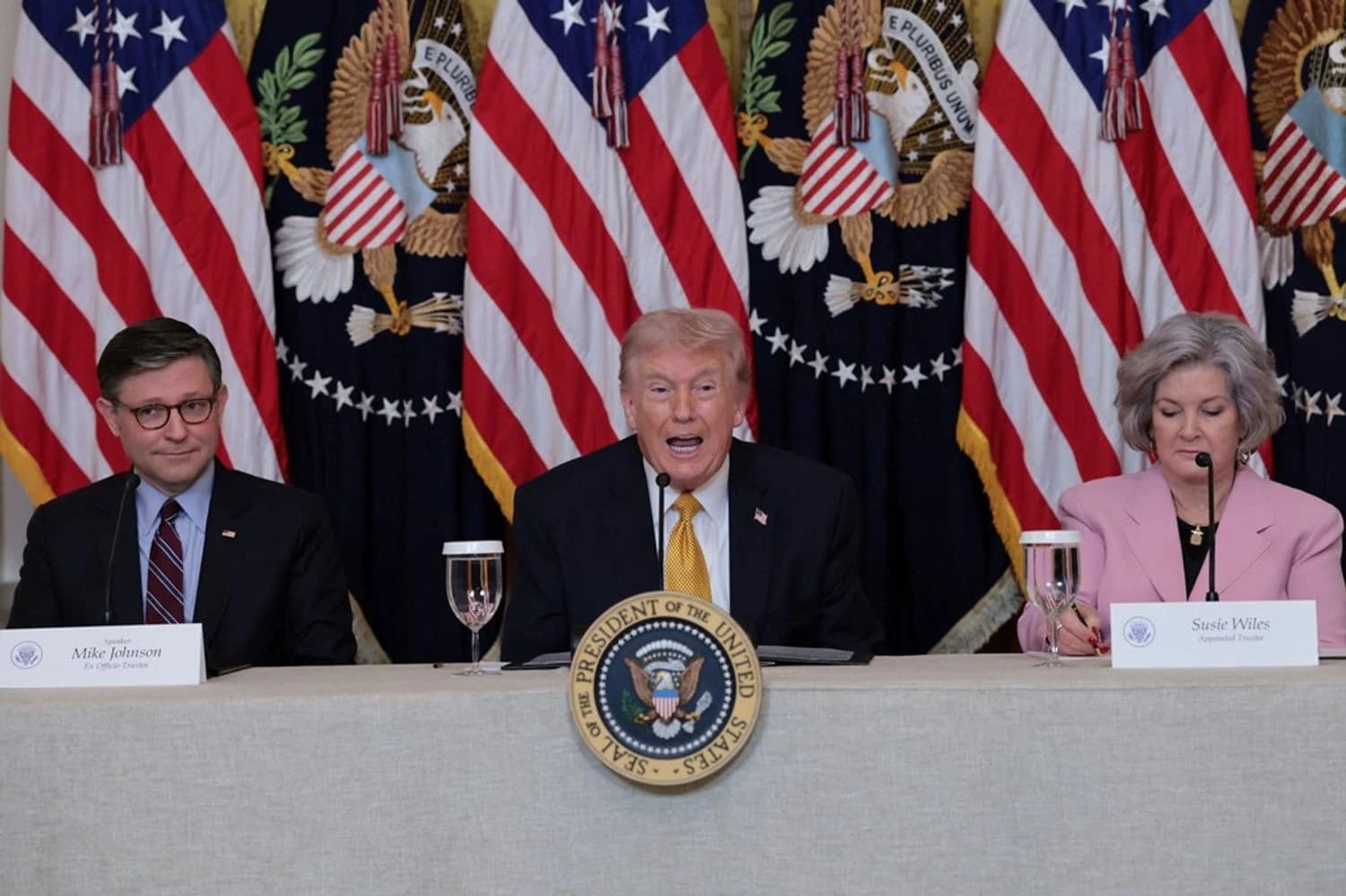
Trump threatens to blow up Iran's South Pars field if Qatar LNG is hit again
Key Takeaways
- Trump threatened to blow up Iran's South Pars gas field if Iran attacks Qatar again.
- Iran attacked Qatar's LNG facilities, prompting a U.S. threat to retaliate against South Pars.
- Israeli strikes on South Pars are described as escalating the conflict.
Trump's Escalatory Threat
US President Donald Trump issued an explicit and highly escalatory threat against Iran's critical energy infrastructure.
“This website is unavailable in your location”
Trump warned he would 'massively blow up the entirety of the South Pars Gas Field at an amount of strength and power that Iran has never seen or witnessed before' if Iranian attacks on Qatari LNG facilities continue.
The threat came after Iran launched ballistic missiles targeting Qatar's Ras Laffan Industrial City, causing 'extensive damage' to the world's largest liquefied natural gas facility.
Trump claimed the United States 'knew nothing' about Israel's initial strike on the South Pars field.
A US defense official later told Axios that the strike had indeed been conducted with Washington's knowledge and approval.
The president emphasized that Qatar 'was in no way, shape, or form, involved' in the Israeli attack.
Iran attacked Qatari facilities anyway, which Trump described as 'unjustifiably and unfairly.'
Iranian Retaliation
Iran launched retaliatory attacks on multiple Gulf nations' energy infrastructure following Israel's strike on the South Pars gas field.
Qatar's Ras Laffan LNG facility suffered particularly extensive damage from the Iranian attacks.

The Qatari Interior Ministry announced that civil defense teams contained fires that erupted at the major gas facility after the Iranian attack.
QatarEnergy later confirmed additional strikes caused 'sizeable fires and extensive further damage' to several LNG facilities.
The attacks came in response to Israel's decision to target the South Pars gas field.
The Iranian government described the Israeli strike as an 'internationally wrongful act.'
The strikes marked a significant escalation of the conflict, as they targeted civilian infrastructure rather than military installations.
No injuries were reported in the attacks, but the damage to critical energy infrastructure was substantial.
Regional Condemnation
The regional escalation prompted strong condemnation from Arab and Islamic countries.
“What you need to know - Saudi Arabia says it 'reserves right to take military action' against Iran - Trump promised that Israeli attacks on Iran's South Pars gas will stop - US President threatened massive US strikes on the gas field should Iranian attacks on Qatari gas sites continue - Iran struck Qatari LNG facilities overnight Hello and welcome to DW's coverage of the ongoing war in the Middle East on Thursday, March 19, 2026”
Foreign ministers from 12 nations met in Riyadh to coordinate a unified response.
Saudi Arabia's Foreign Minister Prince Faisal bin Farhan delivered harsh criticism of Iran.
Prince Faisal stated that 'what little trust there was before has completely been shattered'.
He said Saudi Arabia 'reserves the right to take military action' if deemed necessary.
The ministers issued a joint statement condemning Iranian attacks on civilian infrastructure.
The statement emphasized that 'these attacks cannot be justified under any pretext or in any way.'
Iran wrote to the UN seeking compensation from the UAE.
Iran accused the UAE of enabling US attacks on Iranian territory.
Market Impact
Trump's threat and the escalating conflict triggered significant market reactions.
Global energy prices surged dramatically following the attacks.

Brent crude oil rose more than five percent early on Thursday, reaching $114 a barrel.
UK gas prices jumped 23% to 171p per therm.
The price surge followed reports of attacks on Qatar's main gas facility.
Analysts warned that the conflict could push oil prices to $200 per barrel.
The New York-based Soufan Center described Israel's decision to attack the Iranian offshore natural gas field as 'a clear expansion of the conflict.'
The organization noted that LNG facilities 'cannot be as easily ... repaired, especially against a backdrop of war.'
Asian stock markets came under pressure and Hong Kong's Cathay Pacific suspended flights to Dubai and Riyadh until April 30.
Strategic Importance
The strategic importance of the South Pars gas field cannot be overstated.
“Trump threatens to strike world's largest gas field if Iran attacks Qatar again U”
It represents Iran's most critical energy infrastructure and a major source of global gas supply.
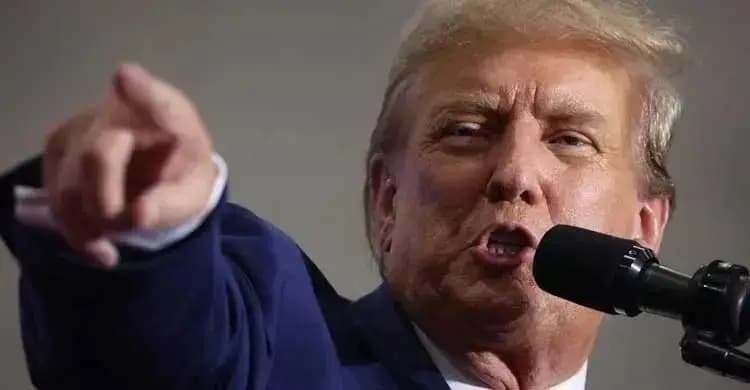
The field, which Iran shares with Qatar in the Persian Gulf, provides 70% of Iran's natural gas.
It generates approximately 80% of the country's electricity, according to the Paris-based International Energy Agency.
The field also supplies household heating and cooking across Iran.
Analysts have warned that attacks on this infrastructure could have devastating consequences.
The Soufan Center noted that LNG production facilities are much more difficult to repair than oil storage facilities.
This strategic vulnerability explains why Iran responded so aggressively to the Israeli strike.
Iran viewed the attack as an existential threat to its energy security and economic stability.
More on Iran

Iran Attacks Kuwaiti Oil Refinery as Tehran Steps Up Gulf Attacks
21 sources compared

Police Scotland Arrest Iranian Man and Woman After Breach Attempt at Faslane Nuclear Submarine Base
14 sources compared

Israel strikes South Pars gas field; Iran attacked Gulf energy sites
38 sources compared
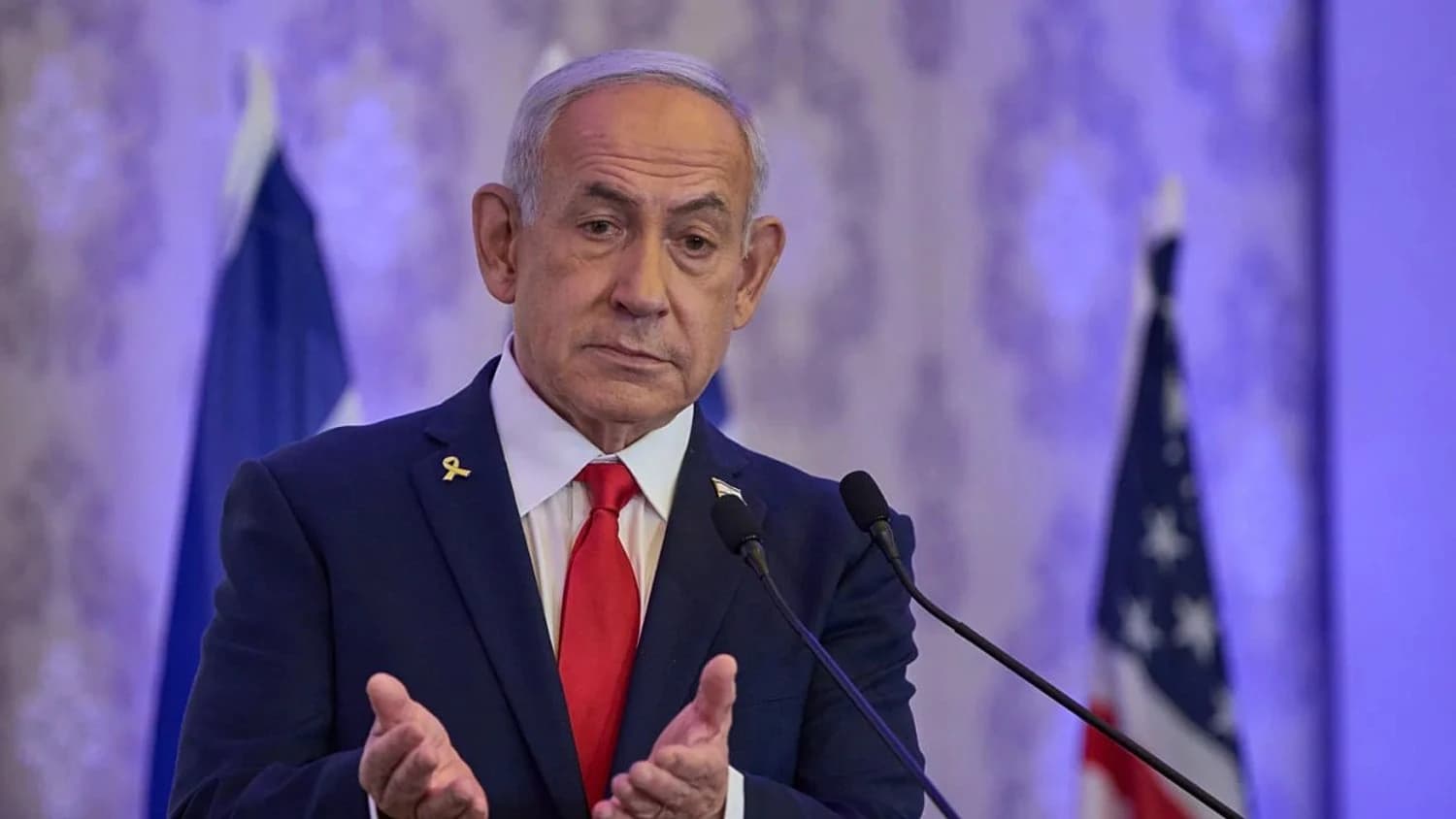
Iran Targets Gulf Oil and Gas Facilities
74 sources compared