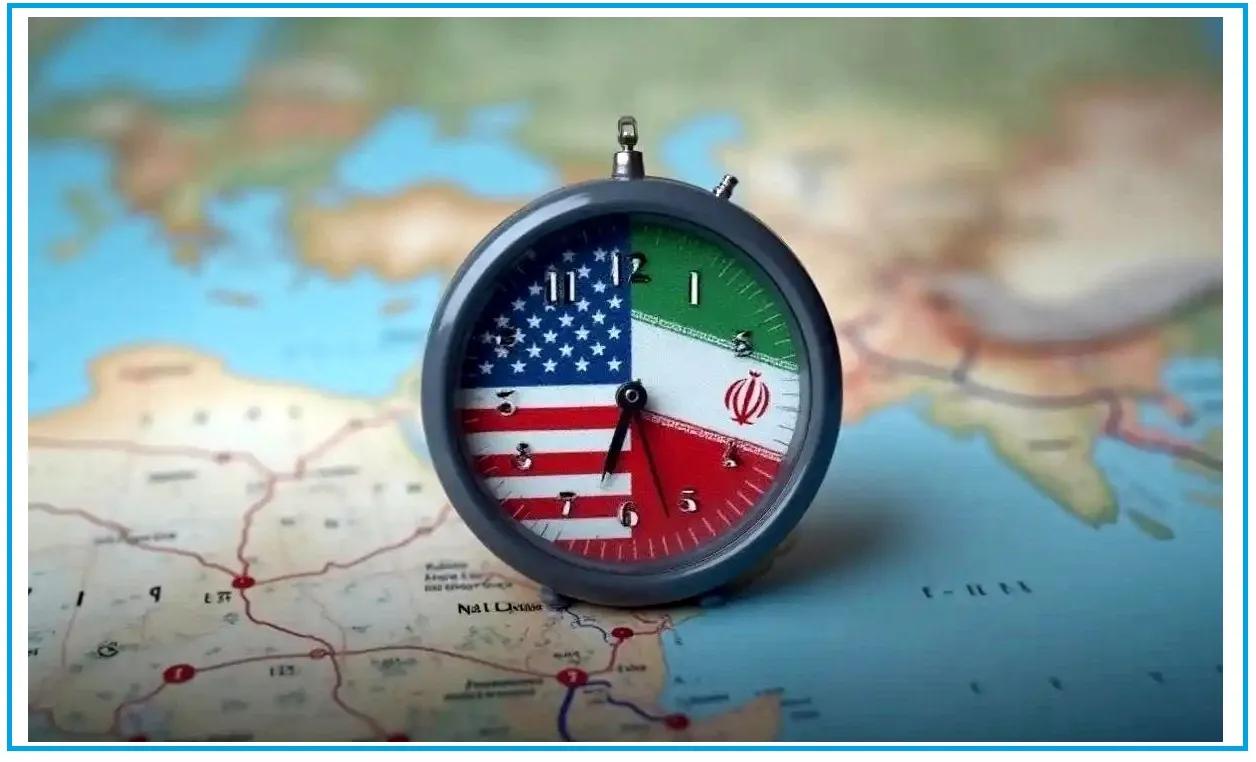
Trump Says U.S.-Iran Talks Continue at Rapid Pace After Iran Suspends Indirect Negotiations
Key Takeaways
- Trump says talks with Iran continue at rapid pace.
- Iran halted indirect U.S. negotiations amid Israel's Lebanon actions.
- Iran threatens to block the Strait of Hormuz.
Talks, threats, and ceasefire
U.S. President Donald Trump said in a Truth Social post that "Talks are continuing, at a rapid pace, with the Islamic Republic of Iran," even after Iranian state news agency Tasnim reported Tehran had suspended indirect negotiations with the United States to end hostilities over Israel’s attacks in Lebanon.
“Iran halts message exchanges with U”
Trump told NBC News, "They haven't informed us of that," after Tasnim said Iran was halting indirect negotiations following Israel’s order to push deeper into Lebanon.

Iran’s Foreign Minister Abbas Araghchi raised Lebanon as a stumbling block, posting on X that "Violation on one front is a violation of the ceasefire on all fronts," and said the U.S. and Israel were responsible for consequences of any violation.
The Lebanese embassy in Washington said Hezbollah accepted a U.S. proposal for a mutual cessation of hostilities extended to all Lebanese territory, with the arrangement first requiring Israel to refrain from striking Beirut’s southern suburbs in exchange for Iran-backed Hezbollah halting attacks against Israel.
In parallel, the U.S. and Iran traded strikes over the weekend, with the U.S. military saying it struck Iranian air defences, a ground control station and two drones threatening ships after "aggressive Iranian actions," including shooting down a U.S. drone over international waters.
Hezbollah, Quds Force, and straits
The Independent reported that Iran’s Revolutionary Guards Quds Force commander Esmaeil Qaani warned Israel’s operation in Lebanon could lead the Bab-al-Mandab strait to become like the Strait of Hormuz, saying Iran and its allies could “take steps to activate other fronts, and equate the traffic situation of the Bab El Mandeb Strait with the Strait of Hormuz.”
Trump also claimed “all shooting will stop” between Israel and Hezbollah after his call with Israeli President Benjamin Netanyahu, writing on Truth Social that “There will be no Troops going to Beirut, and any Troops that are on their way, have already been turned back.”

The Independent said the Strait of Hormuz remained closed, with Brent Crude at $95 per barrel when the market closed on Monday, as Israel deepened attacks in Lebanon with Netanyahu telling Trump Israel would attack “terror” targets in Beirut if Hezbollah did not cease attacks on Israeli cities.
In a statement carried by the Lebanese presidency on X, the embassy in Washington said Hezbollah accepted the U.S. proposal for mutual cessation of hostilities, and Hezbollah lawmaker Hassan Fadlallah told Al-Manar that Hezbollah would support a full ceasefire across all Lebanon as a precursor to withdrawal of Israeli troops.
Tasnim said Iran and the Resistance Front, including Shia allies in Yemen, Lebanon and Iraq, had set an agenda to completely block the strait and activate other fronts, including the Bab El Mandeb Strait, to "punish" Israel and its supporters.
Nuclear issues and what’s at risk
As negotiations continued through intermediaries such as Pakistan, the BBC described five core axes of disagreement between Iran and the United States, including the uranium enrichment program, the fate of Iran’s stockpiled enriched uranium, control and freedom of movement in the Strait of Hormuz, activities of Iran’s proxy groups, and the ballistic missile program.
“From Natanz to the Strait of Hormuz: What are the five axes of disagreement between Iran and the United States”
The BBC said Washington’s 14-point plan includes halting uranium enrichment, removing or fully diluting the 60-percent enriched uranium stockpiles, and the unconditional reopening of the Strait of Hormuz, while opening a 30-day window for negotiations on other issues.
The Hill reported that Iran accused the Trump administration of ceasefire violations and said it would move to close the Strait of Hormuz and stop exchanging messages with the U.S. through intermediaries, citing Tasnim’s report that the ceasefire “has now been violated on all fronts.”
Iran’s Foreign Minister Abbas Araghchi posted on X that Lebanon is included in the ceasefire with the U.S. and that any violation on one front “shall be considered a violation of it across all fronts,” while the U.S. and Iran exchanged fire over the weekend.
The BBC framed the stalemate as affecting global energy security, oil prices, and Middle East stability, tying the unresolved issues—especially the Strait of Hormuz and enriched uranium—to the broader risk of the ceasefire failing to extend.
More on Iran
Guyana and Dominican Republic Sign Contract for Oil Exploration in Berbice Block
10 sources compared
U.S. Bombs Iranian Radar Sites, Intercepts Two Iranian Missiles Targeting U.S. Forces in Kuwait
14 sources compared

Iran Suspends U.S. Talks After Israel Intensifies Attacks in Lebanon, Trump Says
15 sources compared
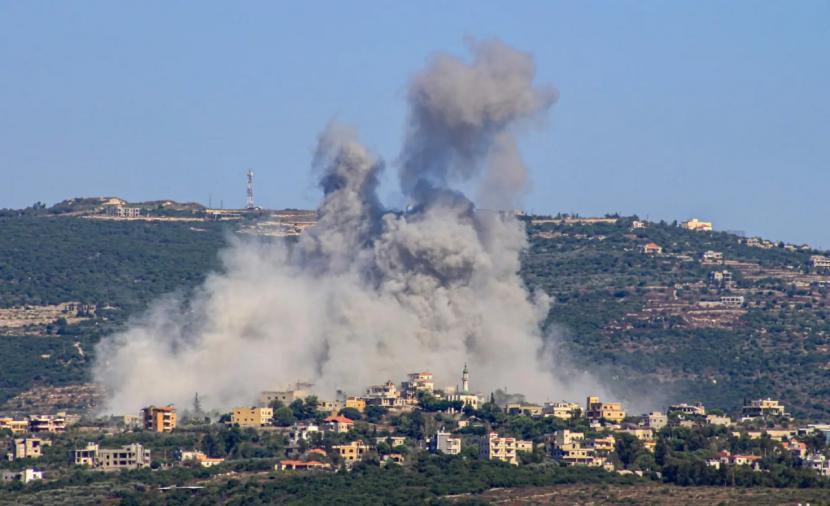
Esmail Qa'ani Says Quds Force Will Make Bab al-Mandeb Like Strait of Hormuz
12 sources compared