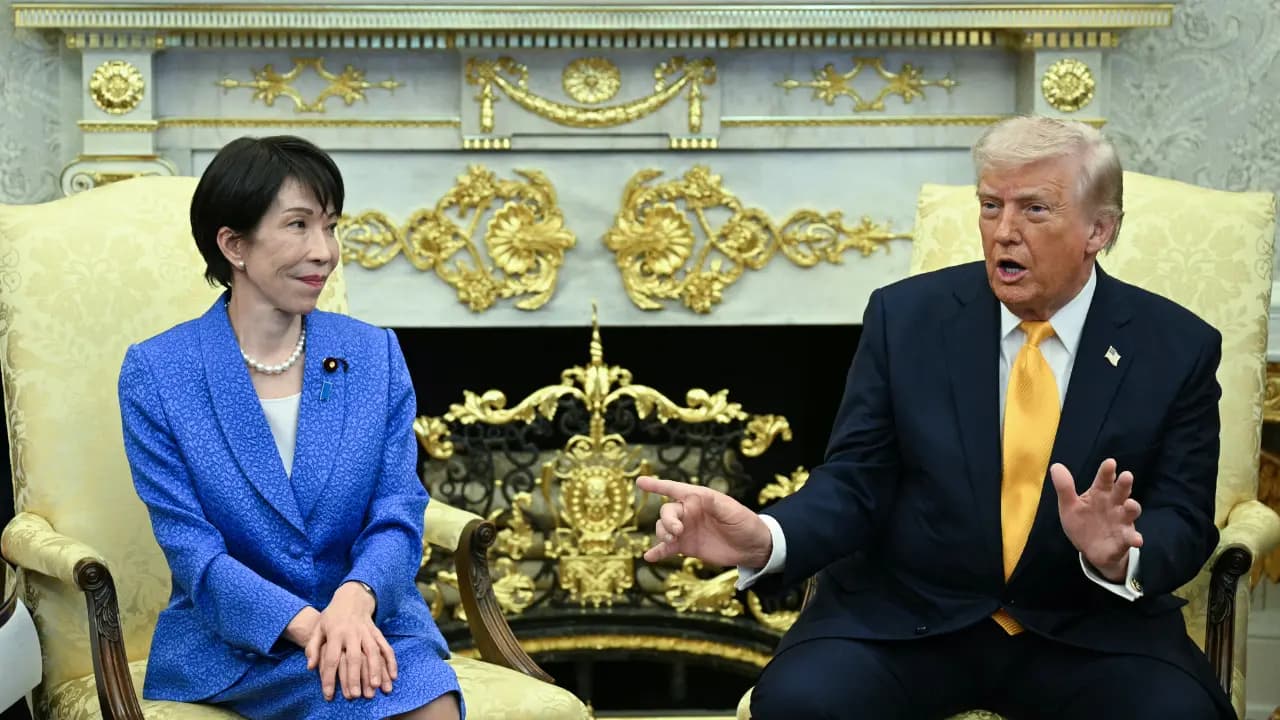
Trump References Pearl Harbor With Japanese Prime Minister Sanae Takaichi, Sparks Backlash
Key Takeaways
- Trump invoked Pearl Harbor in a White House meeting with PM Sanae Takaichi, causing discomfort.
- Trump asked the Japanese PM, 'Why didn't you tell me about Pearl Harbor?'
- Highlighted historical shift from WWII enemy to current U.S. ally.
Diplomatic Incident
US President Donald Trump sparked diplomatic tension during a March 19, 2026 Oval Office meeting with Japanese Prime Minister Sanae Takaichi by referencing Japan's 1941 attack on Pearl Harbor.
“US President Donald Trump and Japanese Prime Minister Sanae Takaichi hold a meeting at the White House in Washington, DC, on March 19, 2026”
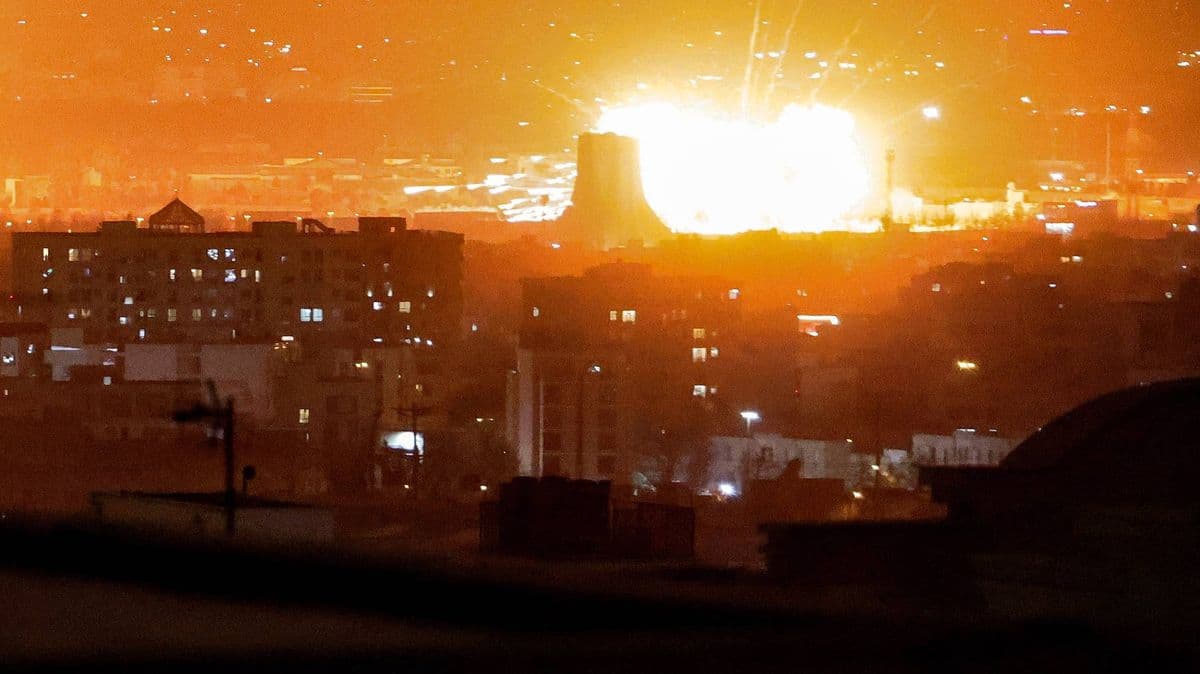
When asked by a journalist why he had not notified allies about the United States and Israel's February 28 military strikes against Iran, Trump replied, "We didn't tell anybody about it because we wanted surprise. Who knows better about surprise than Japan, OK?" and then directly addressed Takaichi, "Why didn't you tell me about Pearl Harbor, OK?" according to multiple sources.
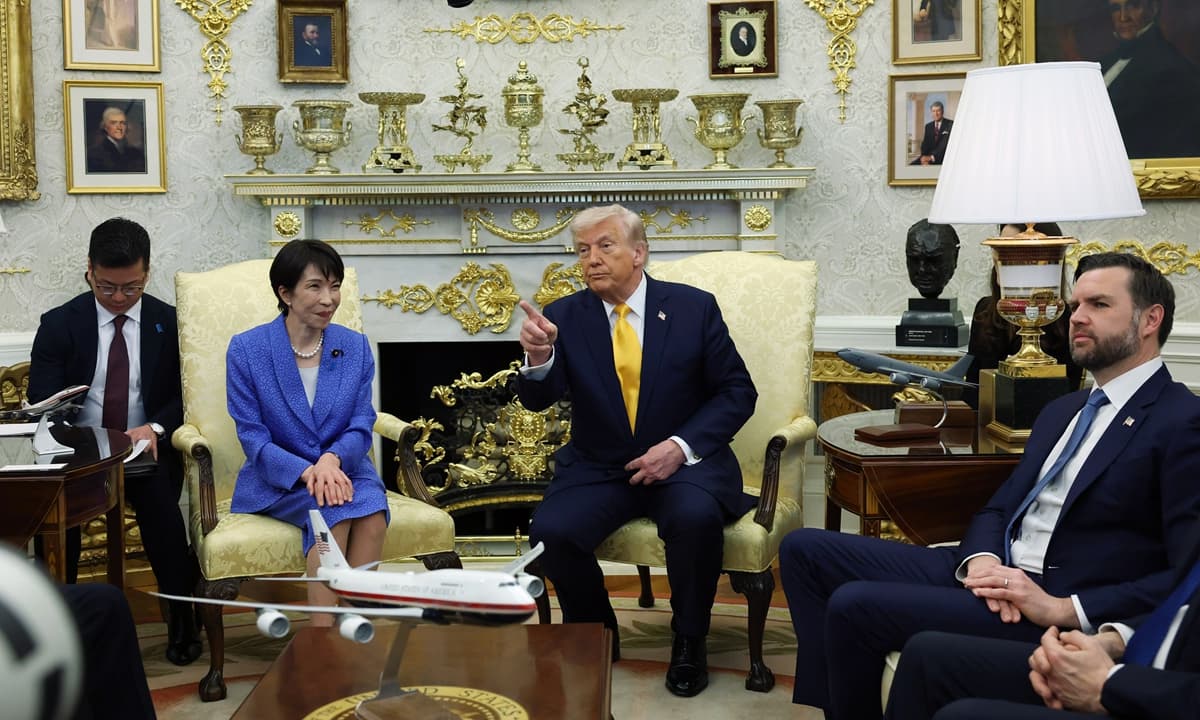
The remark came as Trump defended his decision to launch the Iran attack without prior consultation with allies, citing the need for tactical surprise.
The exchange occurred during a press conference that was supposed to showcase the friendly relationship between the two leaders, but instead created an awkward moment that highlighted the delicate nature of wartime history in US-Japan relations.
Historical Context
The historical significance of Trump's Pearl Harbor reference cannot be overstated, as it evoked one of the most traumatic moments in US-Japan relations.
Imperial Japan launched a pre-emptive attack on the key US Pacific base in Pearl Harbor, Hawaii, on December 7, 1941, hoping to strike a decisive blow before an expected US entry into World War II, according to multiple sources.
%3Aquality(85)%2Ftpg%2Fsources%2F3ed28455-dc6a-4700-8ea1-f100dcb6bc25.jpeg&w=3840&q=75)
The attack killed more than 2,400 Americans and prompted President Franklin D. Roosevelt to declare it would live "in infamy" in history.
The United States ultimately ended World War II by dropping two atomic bombs on Hiroshima and Nagasaki in August 1945, making it the only use of nuclear weapons in warfare history.
For decades, American presidents have avoided invoking Pearl Harbor in harsh terms during meetings with Japanese counterparts, mindful of the sensitivities and the alliance that has flourished since the war's end, yet Trump broke with this tradition, using the historical parallel to justify his military secrecy approach.
Takaichi's Reaction
Prime Minister Sanae Takaichi's immediate reaction to Trump's Pearl Harbor remark revealed the diplomatic tightrope she was forced to walk during the encounter.
“Expert commentary quickly followed”
Multiple sources described Takaichi as appearing visibly startled, shifting in her chair, and appearing to hold back a slight sigh as Trump made the historical reference.
The Japanese leader, who was relying on an interpreter, did not respond verbally to Trump's provocative question about why Japan didn't warn him about Pearl Harbor, though at least one audible groan was heard in the room crowded with US and Japanese reporters.
Her restrained reaction highlighted the challenge faced by Japanese leaders when confronted with uncomfortable historical references, particularly from a leader of their closest ally.
Takaichi, known for her nationalist views who has previously stated that Japan fought a defensive war and has apologized too much to Asian nations, found herself in an awkward position unable to directly address the historical parallel without causing further diplomatic friction.
Public Reactions
The incident sparked varied reactions among the Japanese public and international observers, reflecting the complex relationship between Japan and its wartime past.
On the streets of Tokyo, reactions were mixed, with some sympathizing with Takaichi's difficult position while others expressed unease about the historical reference, according to reports from citizens interviewed.

Yuta Nakamura, a 33-year-old engineer, told Reuters that Takaichi had been put in "a very difficult situation," praising her for "avoiding upsetting Trump," while Tokio Washino, a retiree, stated that "Given the historical context of Japan having done that, and with Donald bringing it up as an example, it makes me feel a bit uneasy as a Japanese citizen."
International media coverage also highlighted the awkward nature of the exchange, with various outlets noting how the remark temporarily shattered the easy rapport between the two leaders and replaced it with "the weight of history" that even the closest alliances must navigate.
Historical Patterns
Trump's Pearl Harbor reference appears to be part of a broader pattern of using provocative historical analogies in diplomatic settings, which has become a distinctive feature of his presidency.
Multiple sources noted that this was not the first time Trump had made controversial historical references during international meetings; he previously told German Chancellor Friedrich Merz that the D-Day landing of Allied troops in Nazi-occupied France "was not a pleasant day for you" during a meeting last year.
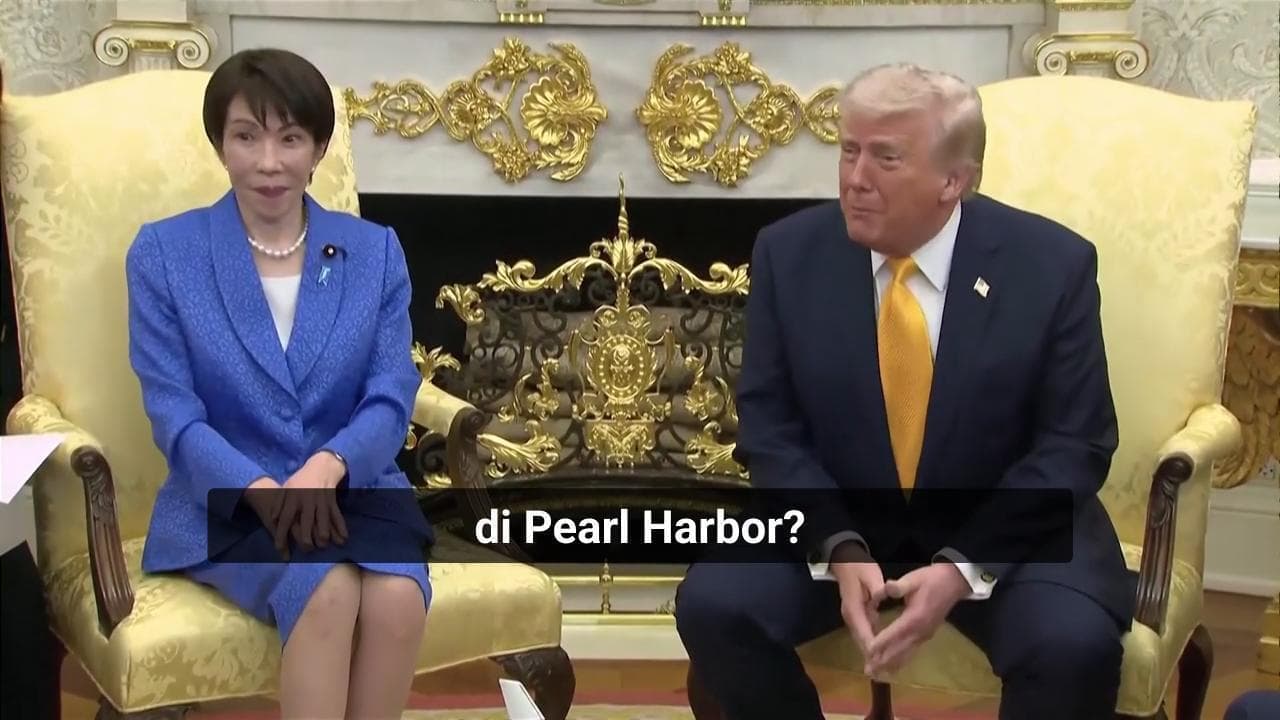
The remark about Pearl Harbor broke with decades of diplomatic protocol where American presidents had avoided invoking the attack in harsh terms when meeting with Japanese counterparts, mindful of the sensitivities and the alliance that had flourished since the war's end.
This incident highlighted the ongoing challenge in US-Japan relations as Japan balances its alliance with the United States while managing domestic legal constraints, public opinion, and historical sensitivities, particularly as Trump's administration continues to reshape traditional diplomatic approaches.
Strategic Context
The incident occurred against a backdrop of evolving US-Japan strategic relations and changing regional dynamics.
Trump had been emphasizing the strategic importance of the Strait of Hormuz to Japan, noting that "That's a big reason they should be involved" in Middle East security matters, while urging Japan to "step up" its contributions.
However, Japan's constitution restricts the use of force to self-defense, making direct participation in overseas operations a complicated matter, as reported by multiple sources.
The awkward exchange highlighted the broader diplomatic reality that history remains ever-present in US-Japan relations, even as the alliance continues to evolve to address contemporary security challenges.
For Takaichi's government, the incident underscored the delicate balance required in supporting the US alliance while managing both domestic legal constraints and public opinion wary of entanglement in distant conflicts, demonstrating how historical memory continues to shape contemporary diplomatic interactions between these two crucial allies.
More on USA

TSA Officers Quit as Funding Lapse Leaves Screeners Unpaid
12 sources compared

Trump administration sues Harvard for failing to protect Jewish and Israeli students
39 sources compared
President Trump Slams NATO as Cowards as Marines and Warships Head to the Middle East
44 sources compared
Iran Threatens Global Tourist Sites Worldwide
14 sources compared