TEPCO Releases Drone Video of Hole in Fukushima No.3 Reactor Pressure Vessel, Likely Fuel Debris
Key Takeaways
- TEPCO released drone video showing a hole in the No.3 reactor pressure vessel.
- Adhesions beneath the vessel may be nuclear fuel debris or a mixture with surrounding materials.
- Footage marks first bottom sighting of the pressure vessel since meltdown.
Reactor Damage Discovery
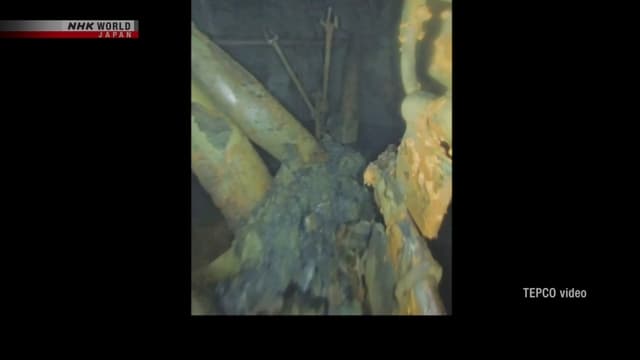
Tokyo Electric Power Company Holdings has released unprecedented drone footage revealing a gaping hole in the thick-walled steel container of the core at Fukushima Daiichi's Unit 3 reactor.
“Drone video from inside a Fukushima reactor shows a hole in pressure vessel, likely fuel debris Drone video from inside a Fukushima reactor shows a hole in pressure vessel, likely fuel debris TOKYO (AP) — A video taken by tiny drones sent into one of three damaged reactors at the Fukushima Daiichi nuclear power plant showed a gaping hole in the thick-walled steel container of the core, with lumps of likely melted fuel debris hanging from it, in a first sighting of a pressure vessel bottom since the meltdown 15 years ago”
The footage shows lumps of likely melted fuel debris hanging from the damaged vessel, marking the first sighting of a pressure vessel bottom since the catastrophic meltdown 15 years ago.
The rare visual evidence reveals damaged structures and ruptured tubes that were originally enclosed within the reactor.
This discovery comes as TEPCO continues its decade-long efforts to understand and address the aftermath of the 2011 nuclear disaster.
The new data is expected to inform future cleanup strategies that experts say could take decades more to complete.
Drone Technology Deployment
The historic reconnaissance mission utilized advanced micro-drones measuring just 12 by 13 centimeters (4.7 by 5.1 inches) and weighing only 95 grams (3.3 ounces) each.
These tiny unmanned aircraft were deployed for an ambitious two-week mission to collect comprehensive visual, radiation and other data from within the highly radioactive Unit 3 reactor environment.

During multiple flight missions that began March 5, the remote-controlled micro-drones navigated carefully around debris, broken equipment and other obstacles.
The drones captured footage inside the primary containment chamber, including around the bottom of the pressure vessel where radiation levels remain dangerously high.
The successful deployment marks a major step forward in TEPCO's efforts to map and understand the internal conditions of the damaged reactors.
Technical Findings
The drone mission has provided TEPCO with unprecedented detailed information about the internal conditions of Unit 3.
“Opens in a new window Opens an external website Opens an external website in a new window <”
This includes radiation measurements and data to produce a detailed three-dimensional map of the reactor's interior.
The footage reveals brown and gray objects hanging like giant icicles from the damaged pressure vessel.
TEPCO spokesperson Masaki Kuwajima confirmed these as melted fuel debris deposits.
This visual evidence complements earlier sampling efforts, as TEPCO successfully took tiny melted fuel samples from the Unit 2 reactor last year.
The comprehensive data collected represents a significant advancement in understanding nuclear decommissioning challenges.
Historical Context
The ongoing challenges at Fukushima Daiichi stem from the March 11, 2011 massive earthquake and tsunami.
These events destroyed cooling systems at the nuclear power plant, causing meltdowns at reactors No. 1, 2 and 3.
These three reactors contain at least 880 tons of melted fuel debris with radiation levels that remain dangerously high 15 years after the disaster.
Earlier underwater robot probes provided less clear pictures of the reactor interiors.
The latest drone mission represents a significant improvement in reconnaissance capabilities.
The discovery of extensive structural damage and fuel debris confirms the immense scale of the cleanup operation.
Experts believe this cleanup could take decades more to complete, requiring continued technological innovation.
Future Cleanup Plans
Looking ahead, TEPCO has announced plans for additional remote-controlled probes and sampling operations.
“TOKYO (AP) — A video taken by tiny drones sent into one of three damaged reactors at the Fukushima Daiichi nuclear power plant showed a gaping hole in the thick-walled steel container of the core, with lumps of likely melted fuel debris hanging from it, in a first sighting of a pressure vessel bottom since the meltdown 15 years ago”
These will further analyze the melted fuel and develop specialized robots for future fuel debris removal operations.
The company views the successful drone mission as a critical step toward developing more effective cleanup strategies.
TEPCO spokesperson Masaki Kuwajima emphasized the 'valuable data' obtained that can inform future investigations.
The technological advancements demonstrated include micro-drones navigating highly radioactive environments.
Future cleanup operations may benefit from increasingly sophisticated robotic and drone technologies.
However, the full decommissioning of Fukushima Daiichi will remain a complex, long-term endeavor for decades to come.
More on Asia

Anutin Charnvirakul Wins Reelection as Thailand's Prime Minister
15 sources compared

Drone strike at Dubai International Airport shuts down flights; attacker unconfirmed.
50 sources compared
Iran Strikes Italian Military Base in Erbil, Forcing Troops Into Bunkers
28 sources compared

Former South Korean president Yoon Suk-yeol appeals life sentence for leading insurrection
14 sources compared