
Saudi Authorities Arrest 21,651 Migrants in One Week for Illegal Entry and Residency Violations
Key Takeaways
- Saudi authorities arrested 21,651 individuals in one week for legal violations.
- 12,745 arrests were for residency law violations.
- 4,577 people were detained for illegal border crossing attempts.
Saudi Nationwide Enforcement Drive
Saudi authorities detained 21,651 people in one week in a nationwide enforcement drive targeting residency, labor, and border violations.
One account reports the arrests as spanning residency, work, and border security regulations, with a detailed tally of residency, border, and labor-related cases attributed to official figures.

A parallel report echoes the same total and scope, while emphasizing that attempted illegal entry cases included individuals mostly from Ethiopia and Yemen, and notes stern official penalties for facilitators.
Both reports frame the development as part of routine enforcement, with one explicitly attributing its figures to the Saudi Press Agency, underscoring the official origin of the statistics.
Summary of Violation Reports
The breakdown of violations differs between the two accounts.
One report lists 12,745 residency violations, 4,577 illegal border crossing attempts, and 4,329 labor offenses.
Another report cites 1,689 people attempting illegal entry and identifies them as mostly Ethiopians and Yemenis.
The gap between 4,577 illegal border crossing attempts and 1,689 attempting illegal entry is not clarified, suggesting either a subset, different categorization, or an update window—an ambiguity neither report resolves.
Both reports agree on the total of 21,651 arrests during the same week and attribute the data to official channels.
Legal Consequences for Illegal Entry
Officials emphasize the legal consequences for those who facilitate illegal entry.
One report highlights that the Ministry of Interior warned of penalties including up to 15 years in prison, heavy fines, and asset confiscation.
This signals a strong deterrent approach by the authorities.
The brief statistical report does not include details about penalties.
Instead, it focuses on counts by offense category and cites the SPA as the authority.
This suggests a separation between an enforcement-focused bulletin and a deterrence-focused public warning within the same weekly report cycle.
Media Coverage of Enforcement and Culture
Coverage diverges further in scope.
While the enforcement update dominates both accounts, one also includes cultural coverage of the Diriyah Season festival under the theme “Ezek we Malfak.”
This highlights heritage programming and Vision 2030’s cultural-tourism goals.
This juxtaposition blends law-and-order reporting with nation-branding through culture.
The other account remains strictly focused on enforcement statistics sourced to SPA.
The mixed-focus piece emphasizes tradition-innovation integration and economic opportunities for local talent alongside the arrest figures.
More on Middle East

President Trump issues 60-day Jones Act waiver to curb oil prices amid Iran war
14 sources compared
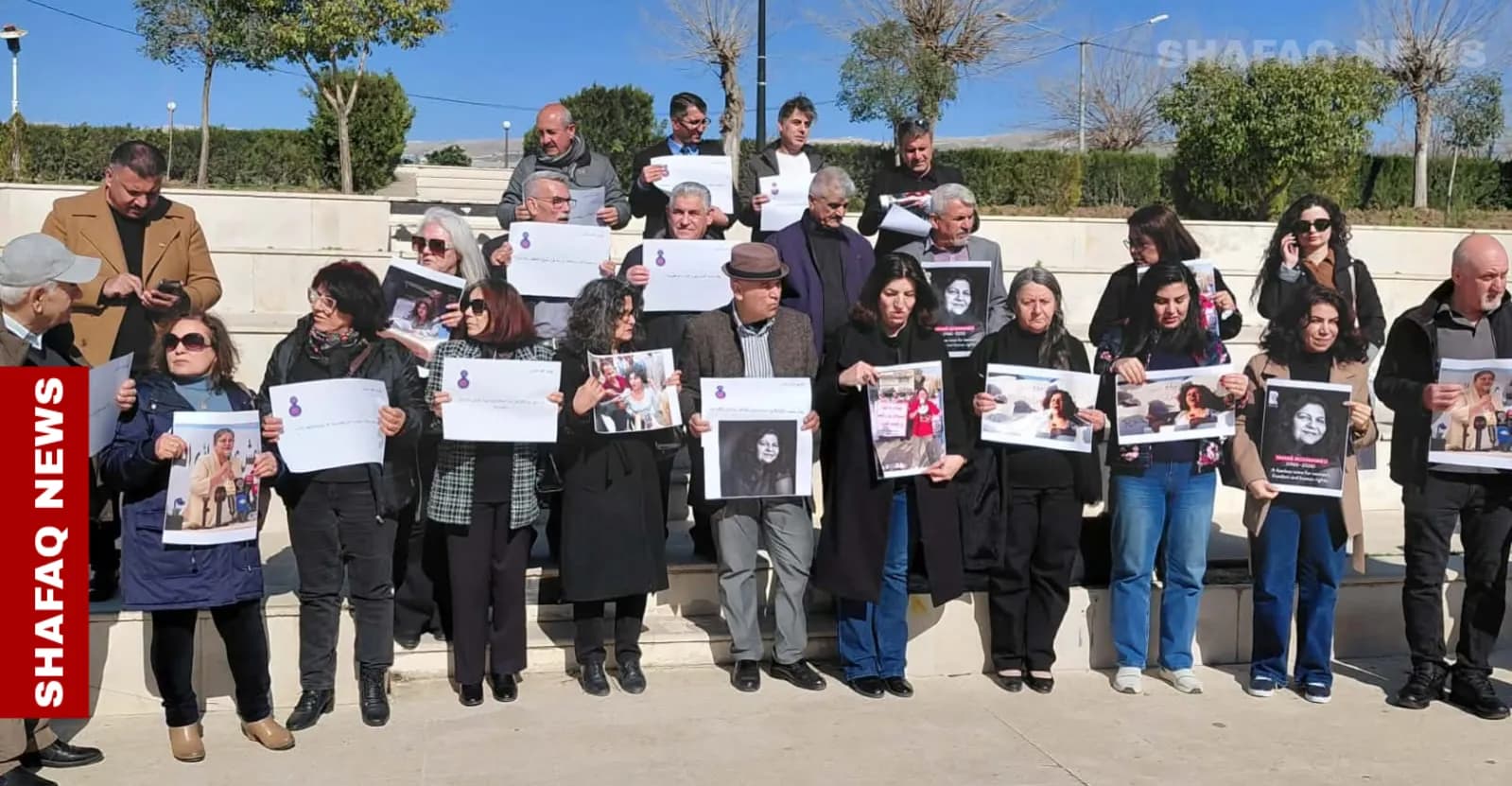
Unidentified Gunmen Assassinate Yanar Mohammed Outside Her Baghdad Home
12 sources compared

Israel Partially Reopens Rafah Crossing After Deadly Assault on Gaza
32 sources compared
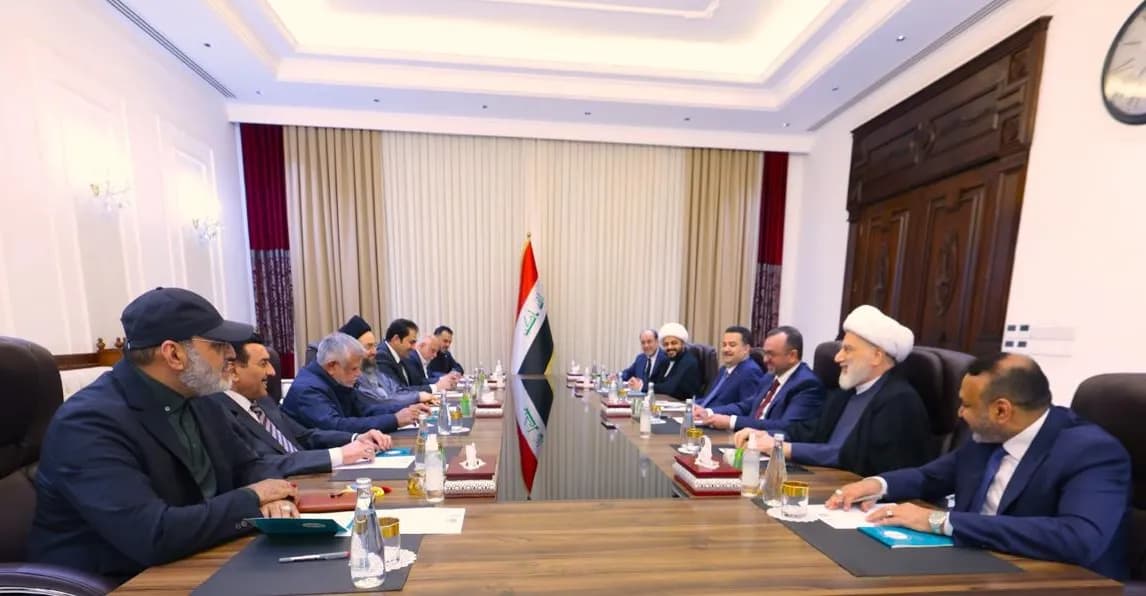
Trump Threatens To End U.S. Support If Iraq Reinstates Nouri al-Maliki As Prime Minister
21 sources compared