
Russia Launches Criminal Case, Accuses Telegram Founder Pavel Durov of Aiding Terrorism
Key Takeaways
- FSB opened a criminal investigation accusing Durov of abetting terrorist activities.
- State-run media allege Telegram enabled attacks and acted as an intelligence tool for foreign actors.
- Durov publicly rejected the allegations on his official Telegram channel.
Pavel Durov terrorism probe
Russian authorities have opened a criminal case accusing Telegram founder Pavel Durov of aiding or 'abetting terrorist activities', citing materials submitted by the FSB and invoking terrorism-related provisions of the criminal code.
“Minute by minute February 24, 2026 09:30 Russian authorities have launched a criminal investigation into Pavel Durov, the founder of the messaging app Telegram, on suspicion of “facilitating terrorist acts,” the state-run Rossiyskaya Gazeta newspaper reported, citing Russia’s Federal Security Service (FSB)”
Multiple outlets report the probe frames Telegram as having been used for operations that threaten national security.
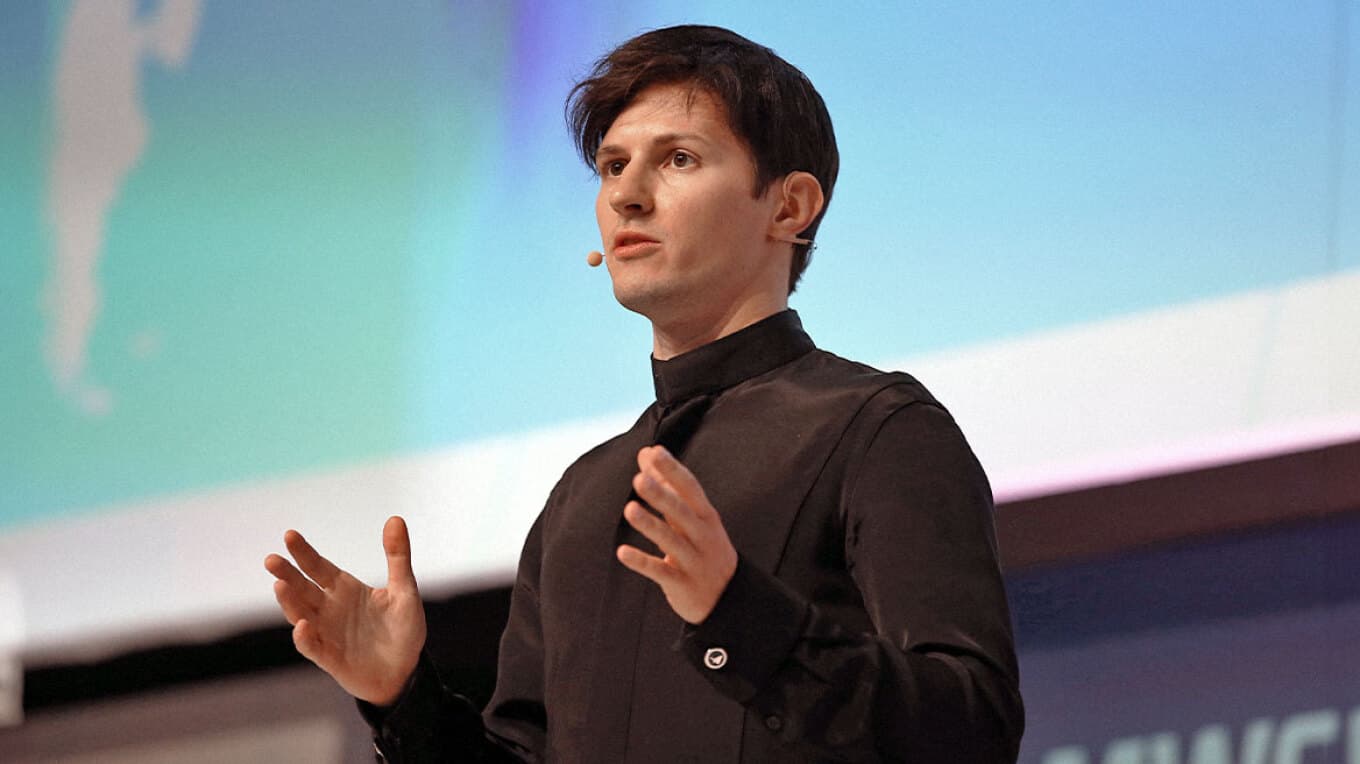
Some coverage stresses the case is an escalation in Moscow's long-standing effort to tighten internet control.
Reports differ on the immediate legal status: some note a formal criminal investigation and specific legal articles cited, while others emphasise that no public charges have yet been released.
Investigation into Telegram
Russian authorities and state-linked outlets say the investigation stems from FSB materials alleging Telegram was exploited by Western and Ukrainian intelligence and used in numerous incidents, including alleged Ukrainian operations against senior Russian officers.
Some coverage cites broad allegations — Finance Magnates reports claims about 'dozens of alleged Ukrainian attempts to kill senior Russian officers and "tens of thousands" of other incidents'.
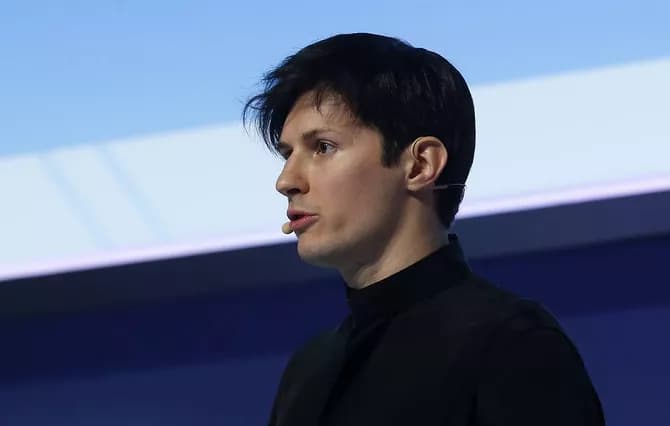
Other reports focus on non-compliance with content-removal orders or on alleged extremist material circulating on the platform.
Russian restrictions on Telegram
Russian regulators, alongside the criminal case, have throttled or restricted Telegram’s traffic and features.
“The article asserts that holding the presidency is temporary — everyone serves as president only for an appropriate (limited) period — emphasizing the transitory nature of political leadership”
They are promoting a state-backed messenger called MAX as part of a 'sovereign internet' push.
Coverage notes the restrictions are selective, and authorities have stopped short of a full block because Telegram remains widely used by civilians and even by officials and troops.
Regulators say compliance with Russian law, including content removal and data localisation, is required for continued access.
Durov background and disputes
Pavel Durov’s personal circumstances and past conflicts with Russian authorities are prominent in reporting.
Outlets note he left Russia in 2014.
Some sources say he holds Emirati and French citizenship.
Reports say he has previously clashed with Moscow, including a 2018 block and later partial restoration.
He has also been subject to legal scrutiny in France.
Durov has either denied the Russian allegations on his Telegram channel or, in some reports, has not publicly responded in detail.
His residence abroad and Telegram’s global architecture are cited as complicating enforcement.
Implications of Telegram case
Analysts and media outlets warn the case risks raising jurisdictional and diplomatic issues.
“Pavel Durov, the founder of Telegram, is reportedly under criminal investigation by Russian authorities for “abetting terrorist activities”
They say it could intensify debates about privacy versus national security.
They also warn it could affect tech and crypto communities that rely on Telegram.
Coverage diverges on emphasis, with some calling the move a security necessity cited by Russian officials.
Others frame it as a politically motivated effort to steer users to state platforms and enable surveillance.
Several pieces note practical consequences for businesses and services that used Telegram for regulated communications.
More on Russia

Wally Liaw, Super Micro co-founder, charged in $2.5B AI chip smuggling scheme to China
12 sources compared

Treasury Secretary Scott Bessent Says US May Unsanction Iranian Oil Already Being Shipped
27 sources compared
Muslim group claims responsibility for Amsterdam Jewish school explosion, mayor calls it attack on Jews
23 sources compared

Trump lifts sanctions on Russian oil, letting Moscow sell at sea
110 sources compared