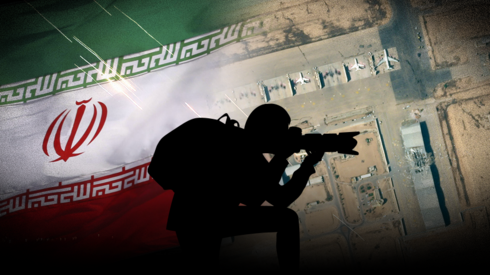
Raz Cohen, Iron Dome Reservist, Arrested for Espionage for Iran
Key Takeaways
- Raz Cohen, 26, Iron Dome reservist from Jerusalem, arrested on espionage charges.
- Maintained months-long contact with Iranian operatives; exchanged information for payment.
- Jerusalem District Court indictment alleges transfer of sensitive information to Iranian operatives.
Case Overview
Raz Cohen, a 26-year-old Israeli reservist from Jerusalem, has been arrested and formally indicted on serious espionage charges after allegedly providing sensitive military information to Iranian intelligence operatives.
“Israeli authorities have arrested a reserve soldier who works in the Iron Dome air defense system on charges of espionage for Iran and revealing sensitive military secrets, according to a joint statement issued Friday by the Israeli police and the Shin Bet security service”
According to detailed court documents, Cohen maintained contact with Iranian agents for approximately one month in late 2025.

During this period, he willingly shared classified information about Israel's Iron Dome air defense system and other military installations in exchange for financial compensation.
The indictment, filed at the Jerusalem District Court on March 18, 2026, accuses Cohen of multiple serious offenses including assisting the enemy during wartime.
Additional charges include transmitting information with intent to harm state security, and providing intelligence likely to assist enemy forces.
Prosecutors revealed that Cohen received approximately $1,000 in cryptocurrency for his cooperation.
The indictment explicitly notes Cohen's full awareness that he was working directly with Iranian intelligence elements throughout the period of contact.
Espionage Details
The scope of Cohen's espionage activities involved extensive sharing of highly sensitive operational details about Israel's critical Iron Dome defense system.
According to investigators, Cohen provided comprehensive information about the Iron Dome's battery structure, operational procedures, armament processes, and deployment locations.
He sent 27 photographs and videos via Telegram messaging application showing firing processes, rates of fire, backup launchers, and arming procedures.
The indictment specifically alleges that Cohen shared details about seven Israeli Air Force bases where he had previously served.
He also provided the precise locations of two specific Iron Dome batteries - one at Hatzerim base and another at Palmachim base.
Beyond military intelligence, Cohen also provided personal details and contact information of other Israeli citizens.
These included a security guard at the President's Residence and a relative serving as an air force pilot, potentially facilitating further recruitment efforts.
Investigation Process
The investigation into Cohen's activities began when he was contacted via the Telegram messaging application on December 6, 2025.
“A severe indictment was filed Friday morning at the Jerusalem District Court against a reserve soldier from Jerusalem, who served in the military's Iron Dome air defense system, on suspicion of transferring information to Iranian operatives in exchange for payment”
The contact identified himself as an Iranian intelligence agent and offered financial compensation in exchange for cooperation.
Cohen immediately volunteered his role as a reservist in the Iron Dome system in response to this initial contact.
Following an initial payment, Cohen's communications with the Iranian handler continued until February 2026.
He attempted to sever contact after being threatened with exposure to Israeli security services.
Israeli authorities, represented by the Lahav 433 police unit and the Shin Bet security service, conducted a joint investigation.
This investigation led to Cohen's arrest at the onset of the current war with Iran.
His detention was subsequently extended multiple times before the formal indictment was filed on March 18, 2026.
Security Implications
The Cohen case has exposed significant vulnerabilities within Israel's security establishment.
Particular concern exists regarding individuals with access to critical defense systems like Iron Dome.
According to security officials, the incident reflects a broader pattern of Iranian intelligence efforts to recruit Israelis.
Dozens of arrests have been made in recent years on suspicion of spying for Iran in exchange for financial compensation.
The case has reignited debates about the actual effectiveness of Israel's Iron Dome system.
The system has been publicly promoted as having interception rates of 80 to 90 percent.
Experts note these figures represent only a selective subset of threats, as the system intercepts only projectiles heading toward populated areas.
The incident underscores concerns that the system's perceived invincibility may mask underlying vulnerabilities that adversaries could potentially exploit.
Recruitment Warnings
Israeli security authorities have issued stern warnings in the wake of the Cohen case.
“An Israeli reservist who served in an Iron Dome air defense battalion has been charged with providing sensitive information to Iranian operatives in exchange for money, Israeli security agency Shin Bet and police announced Friday”
They emphasize that intelligence and terror groups continue active recruitment efforts even during wartime.
According to police statements, foreign agents from enemy states increasingly utilize social media platforms.
These platforms are used to target individuals with access to sensitive information.
Financial incentives are offered in exchange for cooperation from potential recruits.
The Shin Bet specifically highlighted that recruitment attempts remain persistent despite the current conflict with Iran.
Authorities have urged all citizens and residents to maintain vigilance against unsolicited contact from unknown individuals.
The Cohen case raises particular concern due to his role in a critical defense system.
This raises questions about potential additional vulnerabilities within Israel's military infrastructure that may remain undetected.
More on Iran

Iran Attacks Kuwaiti Oil Refinery as Tehran Steps Up Gulf Attacks
21 sources compared

Police Scotland Arrest Iranian Man and Woman After Breach Attempt at Faslane Nuclear Submarine Base
14 sources compared

Israel strikes South Pars gas field; Iran attacked Gulf energy sites
38 sources compared
Iran Targets Gulf Oil and Gas Facilities
74 sources compared