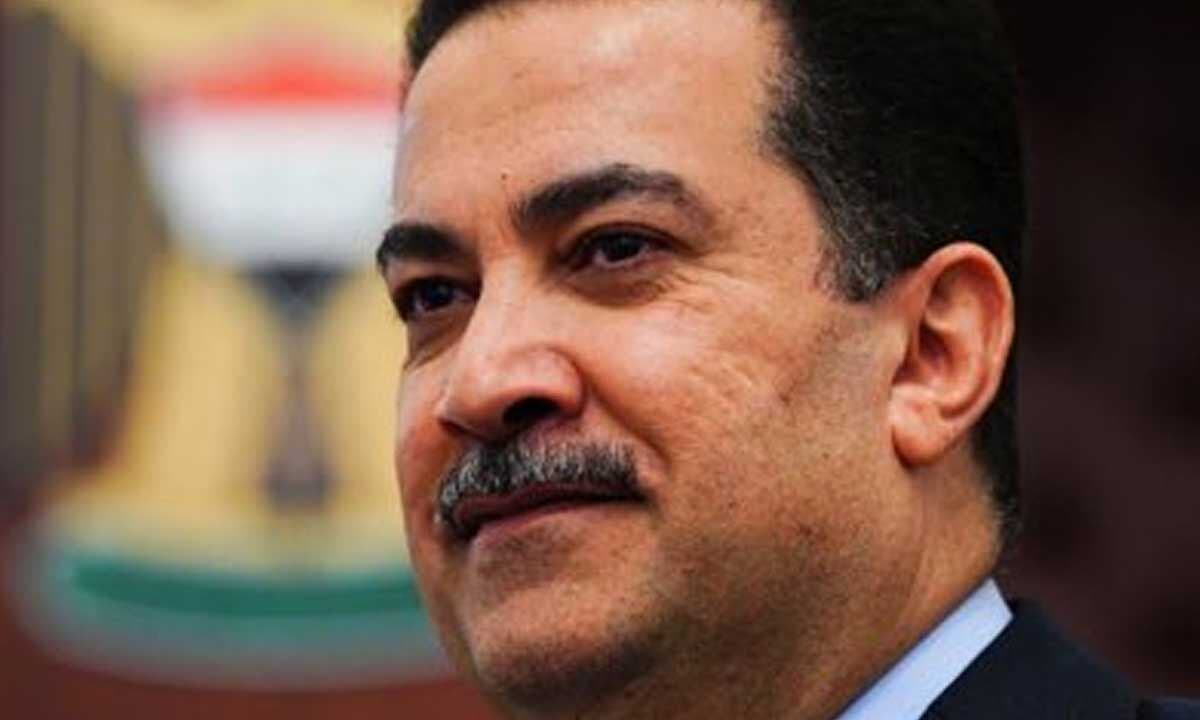
Prime Minister Mohammed al-Sudani Wins Most Votes but Fails to Secure Majority, Triggering Months of Political Gridlock
Key Takeaways
- Al‑Sudani’s coalition won the most votes but did not secure a parliamentary majority
- Parliamentary seat distribution remains unresolved, delaying government formation
- Sectarian allocation and regional powers (Iran, US, Turkey) will shape coalition bargaining
Iraq election outcome
Preliminary results from Iraq’s parliamentary vote show Prime Minister Mohammed al‑Sudani’s Reconstruction and Development coalition won the most votes but fell well short of an outright majority, setting the stage for protracted coalition talks.
“- Vote counts were released by province but the overall parliamentary seat distribution and government formation are still pending”
The Hans India reports al‑Sudani’s coalition won the most votes but fell short of a majority and says months of intense political bargaining are expected with no clear winner.

NewsX’s early snapshot says al‑Sudani’s bloc led with more than 1.3 million votes, about 370,000 ahead of the nearest rival, and projects roughly 50 seats for his grouping.
Al‑Jazeera Net gives a slightly lower estimate of about 46 of 329 seats for the coalition, stressing that final seat allocations remain unresolved and that al‑Sudani must still cobble alliances to form a government.
Iraq government formation
Analysts and sources predict a lengthy, complex government-formation process.
All three outlets note that because no list achieved a majority, parties will use seats as bargaining chips and coalition talks could take weeks to months.

The Hans India explicitly forecasts months of intense political bargaining.
Al‑Jazeera Net outlines the structural backdrop of Iraq’s informal post‑2005 sectarian distribution, which customarily gives the prime ministership to a Shiite, the presidency to a Kurd, and the parliamentary speakership to a Sunni.
Al‑Jazeera Net also warns that parties and lawmakers frequently switch blocs during negotiations.
NewsX underscores procedural details: final seat allocations for the 329‑member parliament aren’t confirmed and, once results are official, lawmakers will begin talks to pick the next prime minister.
Division over al-Sudani backing
The split within Shiite blocs and al-Sudani's political backing are prominent themes across the coverage.
“Sofia Babu Chacko is a journalist with more than five years’ experience covering Indian politics, crime, human rights, gender issues and stories about marginalized communities”
NewsX reports al-Sudani rose with backing from the pro-Iran Coordination Framework but cautions the alliance is divided and that some figures may not support a second Sudani term.
Al-Jazeera Net similarly notes the Framework and allied Shiite groups hold roughly 60 seats and explicitly states the Coordination Framework is split over whether to back al-Sudani for a second term.
The Hans India focuses more narrowly on the outcome and expected bargaining rather than detailing internal alliance fissures, leaving a briefer account of the political alignments at play.
Iraq election media coverage
Coverage differs on the election’s wider political stakes and public reaction.
NewsX highlights turnout and public displays, noting that voter turnout topped 12 million of roughly 21 million eligible voters despite a boycott call from cleric Moqtada Sadr and that supporters celebrated in Baghdad’s Tahrir Square.
NewsX frames the result in terms of immediate domestic challenges — jobs, services and corruption — that the next government must address.
Al-Jazeera Net adds sharper political context, reporting allegations (which al-Sudani denies) that his office spied on rivals and emphasizing Iraq's fluid, factionalized politics after previous upsets.
The Hans India gives a concise, neutral notice of results and the expected bargaining rather than dwelling on protests, allegations or specific policy challenges.
Coalition formation outlook
With no absolute majority and seat totals still provisional, all three sources caution that forming a governing coalition will be a drawn-out, uncertain process.
“- Vote counts were released by province but the overall parliamentary seat distribution and government formation are still pending”
Al-Jazeera Net stresses historical examples of protracted deals, noting that only Nouri al-Maliki has served twice as prime minister and was reappointed in 2010 after lengthy negotiations despite finishing second, signaling that finishing first is not always decisive.
NewsX reiterates that once results are official elected lawmakers will begin coalition talks and that Sudani must balance competing Iranian and U.S. influences while addressing domestic problems.
The Hans India frames the outlook concisely, expecting months of intense bargaining and forecasting delayed government formation while offering less detail on the diplomatic balancing act.
More on Middle East

President Trump issues 60-day Jones Act waiver to curb oil prices amid Iran war
14 sources compared
Unidentified Gunmen Assassinate Yanar Mohammed Outside Her Baghdad Home
12 sources compared

Israel Partially Reopens Rafah Crossing After Deadly Assault on Gaza
32 sources compared
Trump Threatens To End U.S. Support If Iraq Reinstates Nouri al-Maliki As Prime Minister
21 sources compared