
Oil Prices Surge as U.S.-Israel-Iran Tensions Spike Global Markets
Key Takeaways
- Oil prices surged amid US-Israel-Iran tensions.
- Brent crude jumped from about $80 to $120 per barrel in a week.
- India faces higher fuel costs due to LPG and LNG import dependence.
Market Disruption
Global markets experienced significant disruption as escalating tensions between the United States, Israel, and Iran triggered a sharp surge in oil prices.
“✕ Home News Analysis Agro-Forestry Art & Culture Technology Economy & Business Education Energy & Extractives Politics Law & Governance Health Science & Environment Social & Gender Sports Transport Urban Development WASH Research LogIn/SignUp Close the sidebar Oil Prices Surge Amid US-Israel-Iran Tensions: Global Market Shaken Global stocks fell amidst escalating U”
Investors feared potential supply disruptions in the Middle East, sending shockwaves through financial markets.

Global stocks fell as central banks held interest rates steady while carefully assessing the economic impacts of the crisis.
The oil price spike reflected market concerns about potential conflicts disrupting major oil shipping routes and production facilities.
The Middle East remains critical to global energy supplies, making geopolitical tensions particularly impactful.
Supply Management
In response to the energy crisis, India invoked the Essential Commodities Act, 1955 to regulate the supply of LPG and natural gas.
A prioritization system was implemented where residential use would receive preference for LPG while natural gas allocation followed a specific hierarchy.
This supply-side management approach aimed to prevent demand destruction across multiple sectors.
Commercial kitchens and food outlets struggled to secure adequate LPG supplies despite the government's intervention.
The government's actions reflected the urgent need to manage scarce resources during a period of extreme market volatility.
Global Response
International coordination mechanisms were activated as global powers sought to address the energy market turmoil.
“✕ Home News Analysis Agro-Forestry Art & Culture Technology Economy & Business Education Energy & Extractives Politics Law & Governance Health Science & Environment Social & Gender Sports Transport Urban Development WASH Research LogIn/SignUp Close the sidebar Oil Prices Surge Amid US-Israel-Iran Tensions: Global Market Shaken Global stocks fell amidst escalating U”
G7 nations agreed to take necessary measures to support energy supply during the crisis without providing specific details on strategic reserve releases.
The International Energy Agency (IEA) moved to release 400 million barrels of oil from emergency reserves.
This IEA intervention represented a significant effort aimed at calming markets and preventing extreme price volatility.
These coordinated responses demonstrated global recognition of energy security as a critical concern requiring multilateral action.
Energy Independence
The current geopolitical tensions have accelerated calls for strategic energy independence.
Countries are being urged to build more resilient energy systems through renewable energy deployment and electrification.
China's comparative advantage in managing the crisis stems from rapid electrification across key sectors.
China has built robust renewable energy supply chains and critical mineral stockpiles.
Estimates show China's electric vehicle push has displaced over 1 million barrels of implied daily oil demand.
For nations like India, the crisis presents challenges and opportunities to build renewable energy progress.
Long-term strategies include enhancing strategic reserves and accelerating clean energy transition.
More on Asia

Anutin Charnvirakul Wins Reelection as Thailand's Prime Minister
15 sources compared

Drone strike at Dubai International Airport shuts down flights; attacker unconfirmed.
50 sources compared
Iran Strikes Italian Military Base in Erbil, Forcing Troops Into Bunkers
28 sources compared
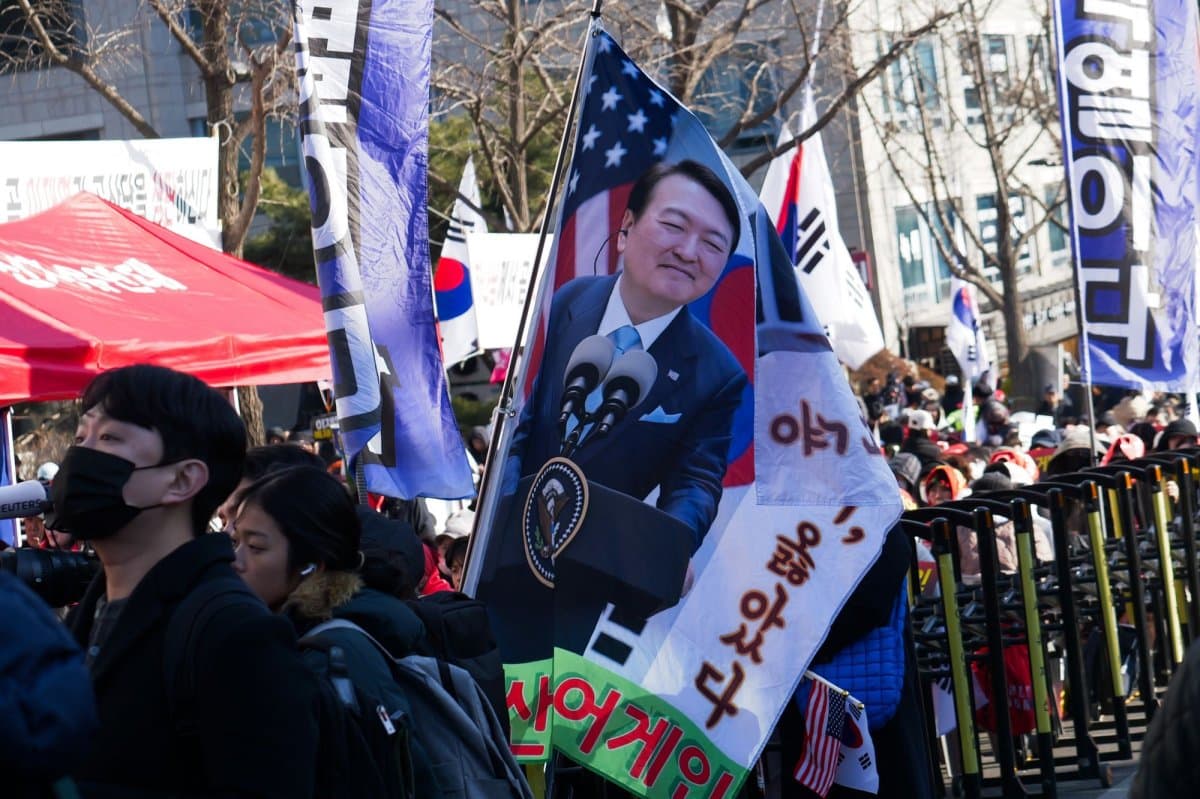
Former South Korean president Yoon Suk-yeol appeals life sentence for leading insurrection
14 sources compared