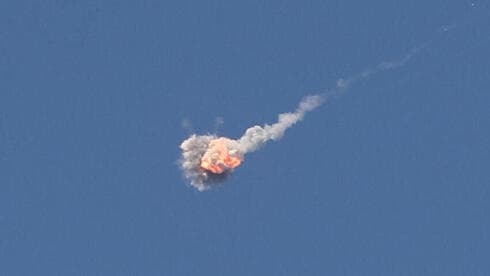
Israel warns US it is running dangerously low on interceptor missiles amid Iran war
Key Takeaways
- Israel reportedly runs critically low on ballistic missile interceptors amid Iran conflict.
- Stockpile under heavy strain from sustained Iranian missile attacks.
- U.S. officials acknowledge the shortage; some reports say U.S. stocks remain stable.
Israel's Urgent Warning
Israel has issued urgent warnings to the United States about critically low levels of interceptor missiles amid escalating tensions with Iran, creating significant concerns about the Jewish state's defensive capabilities.
“The US and Israel on Feb 28 launched what they described as a “pre-emptive” joint strike against Iranian targets, with Trump announcing start of “major combat operations” US President Donald Trump said Iran has been “totally defeated” in the US-Israeli military campaign against the country and wanted a deal he would not accept Iran’s armed forces threaten to destroy US-linked oil infrastructure after US bombs Iran’s oil hub Kharg Island President Tayyip Erdogan says Turkiye wouldn’t get dragged into the war, but that it was prepared for all threats The UAE has hit back at Iran over accusations that a US strike on Kharg Island came from the Gulf state, saying Tehran’s policy was confused and lacked wisdom, Sky News reports”
Senior Israeli officials have communicated to their American counterparts that the country's missile defense systems are rapidly approaching depletion, with some sources indicating that certain interceptor supplies have fallen to dangerously low levels.
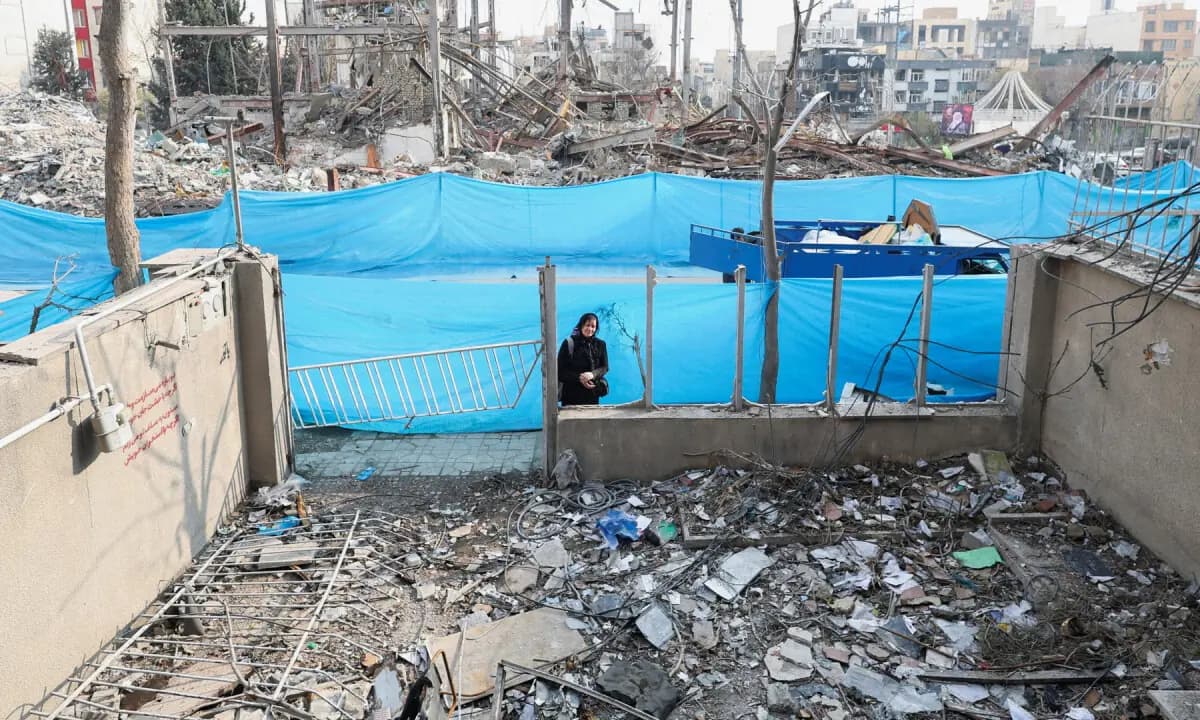
The warnings come as regional tensions continue to mount, with both Israeli and American officials increasingly concerned about potential Iranian military responses to regional conflicts.
The situation has prompted high-level discussions between defense officials from both countries about potential emergency resupply options.
Iron Dome Depletion
The Iron Dome missile defense system, Israel's primary shield against rocket attacks, has been particularly hard hit by the interceptor shortage.
According to military experts and defense officials, the system that has been instrumental in protecting Israeli population centers during previous conflicts is now operating at severely reduced capacity.

Multiple sources confirm that some Iron Dome batteries have been temporarily taken offline due to lack of interceptors, while others are rationing their remaining supplies for potential high-priority threats.
The depletion comes at a time when the system's importance has never been greater, given the increased frequency and sophistication of rocket attacks from various regional actors.
US Response Considerations
In response to Israel's urgent requests, the Biden administration is actively considering emergency arms shipments to replenish the depleted missile stockpiles.
“Israel has warned the United States that it is running dangerously low on ballistic missile interceptors as the war with Iran continues, according to a report by Semafor”
Senior US defense officials have confirmed that multiple options are being evaluated, including accelerating existing contracts, utilizing emergency authorities, and potentially opening new production lines.
However, the process faces significant logistical and political challenges, as the US must balance Israel's immediate needs with its own military requirements and broader regional considerations.
Congressional sources indicate that bipartisan support exists for expedited shipments, but the timeline for actual delivery remains uncertain given the complex nature of missile production and distribution.
Strategic Vulnerabilities
The interceptor shortage has created significant strategic vulnerabilities for Israel's defense posture, forcing military commanders to make difficult decisions about resource allocation and threat prioritization.
Defense analysts note that the shortage effectively limits Israel's options in responding to potential Iranian aggression, as leaders must weigh the risk of depleting already limited interceptor supplies against the need to maintain defensive capabilities.

Military sources confirm that Israeli defense planners are now considering more selective engagement policies, potentially allowing some lower-level threats to penetrate in order to preserve interceptors for higher-priority targets.
This strategic recalibration represents a significant shift in Israel's approach to regional security and defense planning.
Regional Tensions
The current missile shortage crisis occurs against a backdrop of heightened regional tensions and escalating rhetoric between Israel and Iran.
“Iran Israel War Live Updates: Follow real-time developments as the US-Israel war with Iran intensifies across the Middle East, triggering missile attacks, drone interceptions, naval clashes and mounting geopolitical tensions”
Multiple sources confirm that both sides have been engaged in increasingly provocative actions and statements, raising concerns about potential miscalculation or accidental escalation.

The timing of the interceptor depletion could not be more problematic, coming as Iranian officials have made threatening statements about retaliation for various regional developments.
Military intelligence assessments from multiple countries suggest that both Israel and Iran are preparing for potential military scenarios, though the exact nature and timing of any potential confrontation remains unclear.
The combination of depleted defenses and heightened tensions has created what some analysts describe as one of the most dangerous periods in recent Middle East history.
More on Iran

Italy's Prime Minister Meloni Rules Out Military Mission in Strait of Hormuz, EU Favors Diplomacy.
10 sources compared

Trump Administration to Seize Iran's Kharg Island to Reopen Strait of Hormuz
16 sources compared

Iran Attacks Kuwaiti Oil Refinery as Tehran Steps Up Gulf Attacks
21 sources compared

Switzerland Halts Arms Exports to US Over Attacks on Iran, Citing Neutrality
16 sources compared