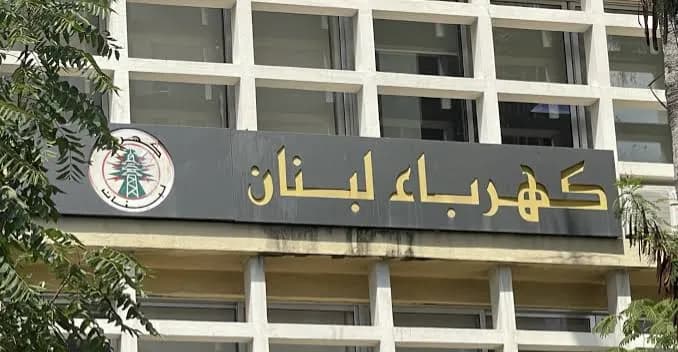
Israel Strikes Lebanese Power Station, Cutting Southern Lebanon's Power Supply
Key Takeaways
- Israeli attack knocked out a main transfer station in Bint Jbeil.
- Power outage disrupted southern Lebanon, affecting Bint Jbeil, nearby villages, and Tyre.
- Lebanese authorities confirmed the outage followed an Israeli strike on infrastructure.
Infrastructure Attacks Escalate
Israeli military operations have struck critical power infrastructure in southern Lebanon.
“The Lebanese state electricity company said on Thursday that Israeli attacks in southern Lebanon earlier that day had put a main power substation out of service, a sign of expanding Israeli attacks on Lebanese infrastructure”
These strikes have significantly disrupted electricity supply to local communities.
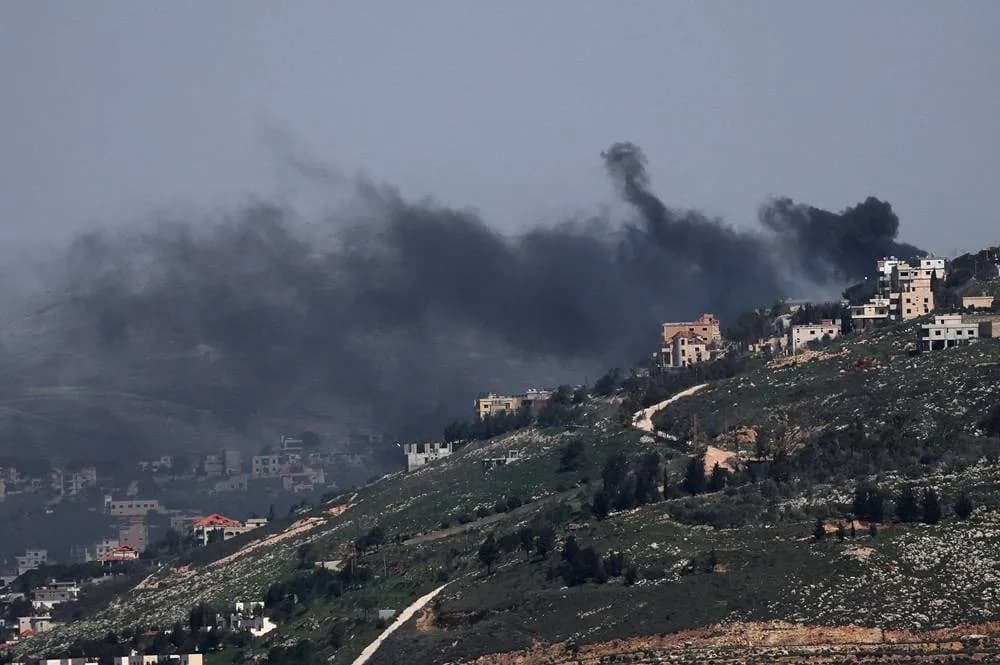
The attacks mark an escalation in cross-border hostilities between Israel and Lebanon.
The Lebanese state electricity company confirmed the targeting of a main power substation.
Impacts from the strikes extend beyond immediate zones to affect surrounding towns and cities.
This incident follows the evacuation of over 100,000 Israeli residents from northern communities.
The evacuations indicate heightened tensions in the region near the Lebanese border.
Attacks on civilian infrastructure represent a concerning pattern in the ongoing conflict.
Power facilities have become strategic targets in cross-border exchanges between Israeli forces and Lebanese groups.
Bint Jbeil Station Targeted
The specific target of Israeli strikes was a power substation in Bint Jbeil, southern Lebanon.
This facility has been rendered inoperated according to Lebanese authorities.

The electricity company reported various parts of the station suffered damage.
The damage has led to widespread power outages crippling essential services.
These outages have significantly impacted the region's electricity infrastructure.
The attack represents a strategic move with potential long-term consequences.
Lebanon's already strained energy sector faces additional challenges.
Areas relying on this facility now lack critical electricity provision.
The timing and location suggest a coordinated military operation.
The strike aims to disrupt both civilian life and potential military infrastructure.
Israeli Military Denial
The Israeli military denies responsibility for the power station attacks.
“Lebanese electrical station knocked out by Israeli strike Lebanon's state electricity company said on Thursday that an Israeli attack knocked out power to a region of southern Lebanon”
They claim no knowledge of such operations despite evidence from Lebanese authorities.
This denial creates a significant information gap in reporting.
The gap complicates efforts to verify incidents and assess cross-border military activities.
Contradictions exist between Lebanese reports and Israeli military statements.
This adds complexity to conflict dynamics in the region.
The denial pattern has become increasingly common.
This occurs as Israeli operations expand into Lebanese territory.
Questions arise about transparency and accountability in military operations.
These operations affect civilian populations across international borders.
Humanitarian Impact
The power outages have immediate and severe humanitarian consequences.
These disruptions affect daily life, healthcare services, and economic activities.
The attacks on critical infrastructure come amid broader regional tensions.
Lebanese communities face significant challenges from ongoing conflicts.
These communities also struggle with economic crises.
Civilian populations in southern Lebanon face additional hardships.
Essential services becoming unavailable exacerbates existing vulnerabilities.
Meanwhile, Israeli citizens have been evacuated from northern communities.
This indicates Israeli authorities anticipate continued hostilities.
The climate of uncertainty affects populations on both sides of the border.
This dual impact highlights the human cost of military escalation.
Strategic Escalation
The targeting of Lebanese power infrastructure represents strategic escalation.
“The Lebanese state electricity company said on Thursday that Israeli attacks in southern Lebanon earlier that day had put a main power substation out of service, a sign of expanding Israeli attacks on Lebanese infrastructure”
This affects broader regional conflict dynamics and power balance in southern Lebanon.
The Bint Jbeil power station attack fits a pattern targeting civilian and economic infrastructure.
These attacks may aim to weaken Lebanese groups' logistical capabilities.
They could also be intended to pressure local populations.
This approach represents a shift in military tactics.
Operations move beyond direct engagements to infrastructure warfare.
Infrastructure warfare specifically affects civilian populations.
The international community may need to address these developments.
These attacks set dangerous precedents for cross-border conflicts.
Civilian infrastructure becoming military targets raises serious concerns.
More on Lebanon

Israel Attacks Lebanon as Missile Lands Near RT Reporter
31 sources compared

Israel Attacks Beirut, Building Flattened; Death Toll Rises
10 sources compared
Israel Attacks Hezbollah Infrastructure in Beirut, Forcing Over 1 Million Lebanese to Flee
12 sources compared
Israel Launches Ground Operation in Southern Lebanon to Target Hezbollah
10 sources compared