
Israel Bombards Beirut as Death Toll Varies Across Reports
Key Takeaways
- Israeli airstrikes hit Beirut, killing civilians and destroying buildings.
- Casualties: at least 10 dead in Beirut, over 20 across Lebanon.
- Evacuations and mass displacement widespread as residents flee southern Lebanon and Beirut.
Beirut Bombardment Overview
Israeli forces conducted a devastating wave of airstrikes across Lebanon on March 18, 2026, with multiple strikes targeting central Beirut neighborhoods.
“Israel has attacked a building in Bashoura, a neighbourhood in the heart of Beirut, Lebanon’s National News Agency (NNA) reported, with a blast and smoke rising over the area shortly after Israel issued a forced evacuation order for the site”
These neighborhoods had previously been considered safe areas, marking a significant escalation in the conflict.

The bombardment destroyed buildings, forced residents to flee in panic, and resulted in varying death tolls across different reports.
Al Jazeera reported that the strikes killed more than 20 people across Lebanon and wounded dozens.
At least six people were killed specifically in the Beirut air strikes according to Al Jazeera.
The New York Times and The Print both reported at least 10 deaths in central Beirut alone.
BBC mentioned one Israeli 'double tap' airstrike on a car near Beirut's Corniche seafront that killed at least 12 people.
Many of those killed were displaced civilians from elsewhere in the country sheltering in tents.
Targeting Patterns
The Israeli military systematically targeted multiple buildings in central Beirut over an eight-hour period.
These strikes employed precise but devastating tactics that destroyed entire structures.
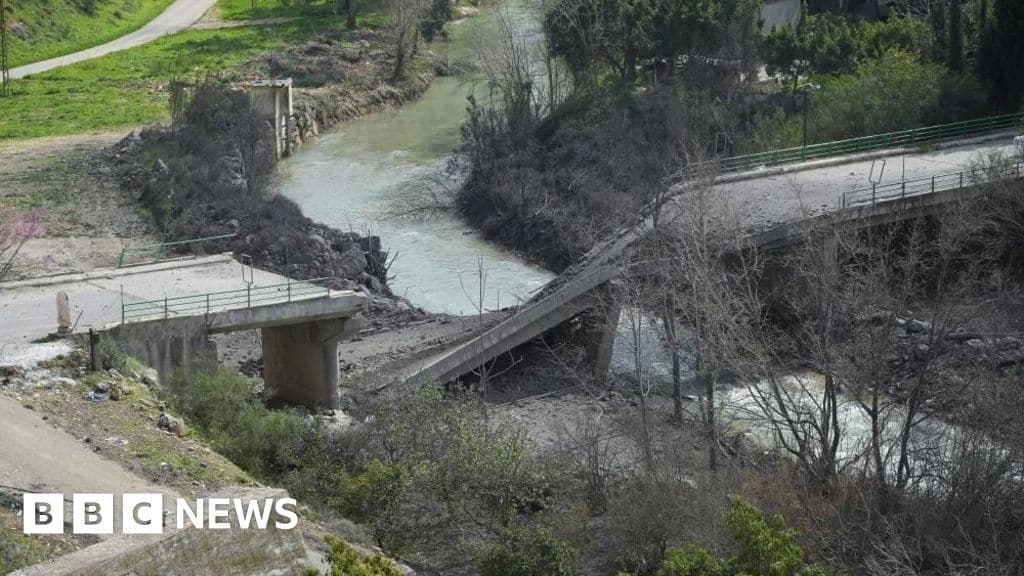
The New York Times reported that four separate airstrikes hit Beirut in clusters of neighborhoods.
These neighborhoods were within walking distance of the city's downtown and government headquarters.
This marked the first time Israel had destroyed an entire building in the center of Beirut since the start of the war.
The Print detailed how the Israeli military specifically targeted assets of Hezbollah-run financial institution Al-Qard Al-Hassan.
BBC reported that Israel claims it is targeting not only Hezbollah fighters and leaders but also businesses linked to the group.
These businesses allegedly help finance Hezbollah's military operations.
Civilian residents described fleeing their homes in panic with nothing but their pajamas as the strikes intensified.
Regional Escalation
The conflict extended beyond Beirut as Israel issued widespread evacuation orders for southern Lebanon.
“War in the Middle East: Hospitals under bombardment in Lebanon”
These orders specifically targeted Tyre city and surrounding areas.
The orders created a massive humanitarian crisis as residents scrambled to flee.
The Grand Junction Daily Sentinel reported that three Lebanese soldiers were killed in Israeli strikes earlier Tuesday.
Israel carried out additional raids and ordered residents of vast parts of southern Lebanon to evacuate.
The UN rights office in Geneva condemned Israeli threats as 'wholly unacceptable'.
They specifically criticized threats 'to impose the same level of destruction on Lebanon as inflicted in Gaza'.
Meanwhile, Hezbollah responded with its heaviest barrages of the war.
The Print reported Hezbollah launched 'large salvos of rockets,' drones, and artillery fire into Israel.
The initial launch included nearly 100 rockets targeting around a dozen Israeli towns and military bases.
Humanitarian Crisis
The bombardment has triggered a catastrophic humanitarian crisis with massive displacement.
Médecins Sans Frontières compared the situation to Israel's campaign in Gaza.

TIME reported that the current round of fighting began on March 2 when Hezbollah began firing rockets into northern Israel.
This was in response to the U.S.-Israeli attack on Iran and the killing of Supreme Leader Ali Khamenei.
Médecins Sans Frontières country coordinator Lou Cormack described the striking similarities.
He noted: 'We are seeing a similarity to what we saw in the past two and a half years in Gaza.'
This includes broad evacuation orders and constant displacement of thousands of families.
Cormack also observed systematic bombing on densely populated areas.
Save the Children's Nora Ingdal noted that some 700 schools had been turned into shelters.
Families were returning to the same shelters they used just 15 months ago during the last conflict.
International Concerns
International concerns about potential war crimes have been raised as the Israeli military's bombardment campaign continues to escalate.
“War in theMiddle East Advertisement Supported by The Israeli military widened its attacks to the districts in the center of the Lebanese capital, destroying buildings, forcing residents to flee and killing at least 10”
TIME reported that a joint statement from Canada, France, Germany, Italy, and Britain issued warnings.
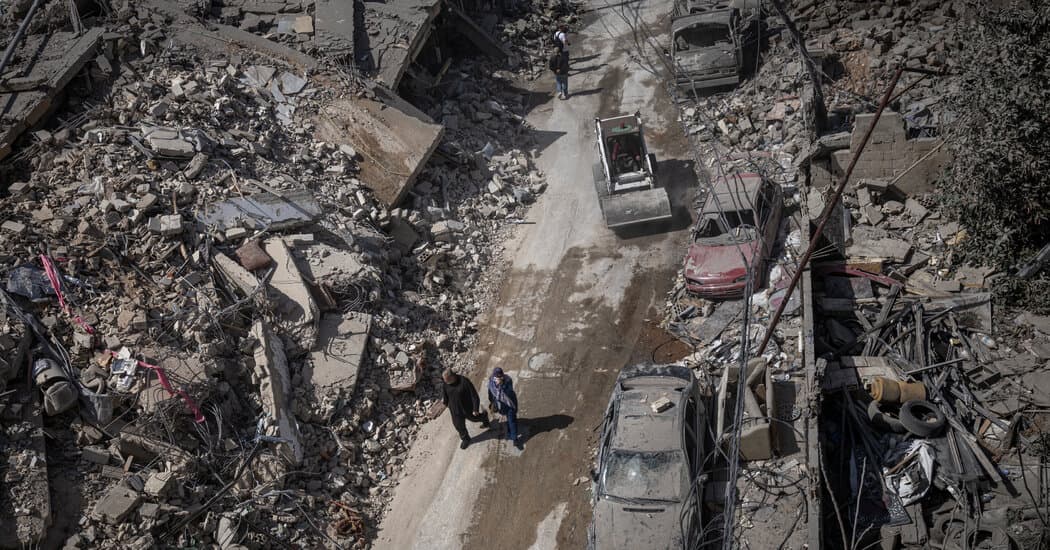
They stated that a significant Israeli ground offensive in Lebanon would have 'devastating humanitarian consequences'.
The joint statement stressed that 'it must be averted'.
Israeli Defense Minister Israel Katz made statements about long-term displacement.
He stated that displaced Lebanese residents would not return to homes south of the Litani River.
This return would only happen when northern Israel was considered safe.
The United Nations has documented that Israel has bombed Lebanon 'almost daily' since the last ceasefire.
More than 1,000 people were killed in under two weeks according to the health ministry.
This pattern of systematic bombardment has led human rights organizations to question potential war crimes.
More on Lebanon

Israel Attacks Lebanon as Missile Lands Near RT Reporter
31 sources compared

Israel Attacks Beirut, Building Flattened; Death Toll Rises
10 sources compared
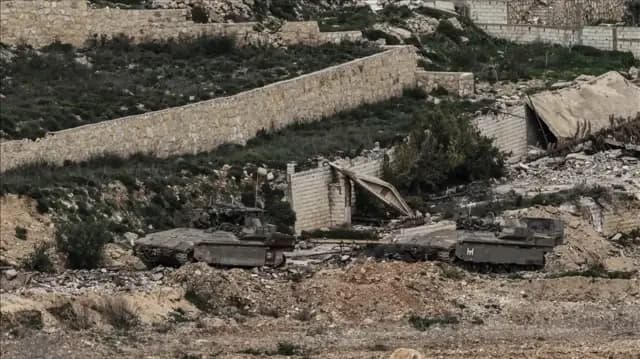
Israel Attacks Hezbollah Infrastructure in Beirut, Forcing Over 1 Million Lebanese to Flee
12 sources compared
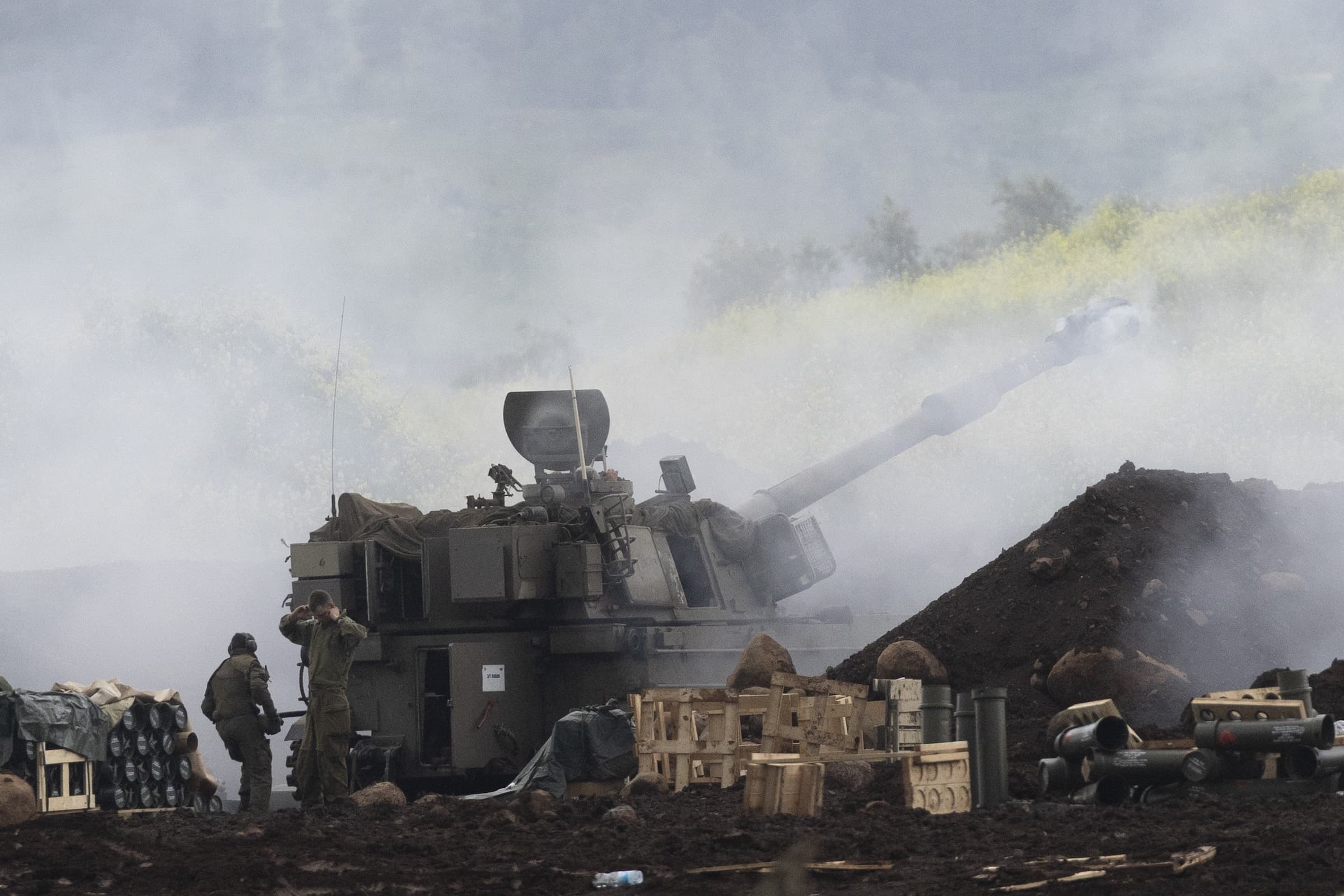
Israel Launches Ground Operation in Southern Lebanon to Target Hezbollah
10 sources compared