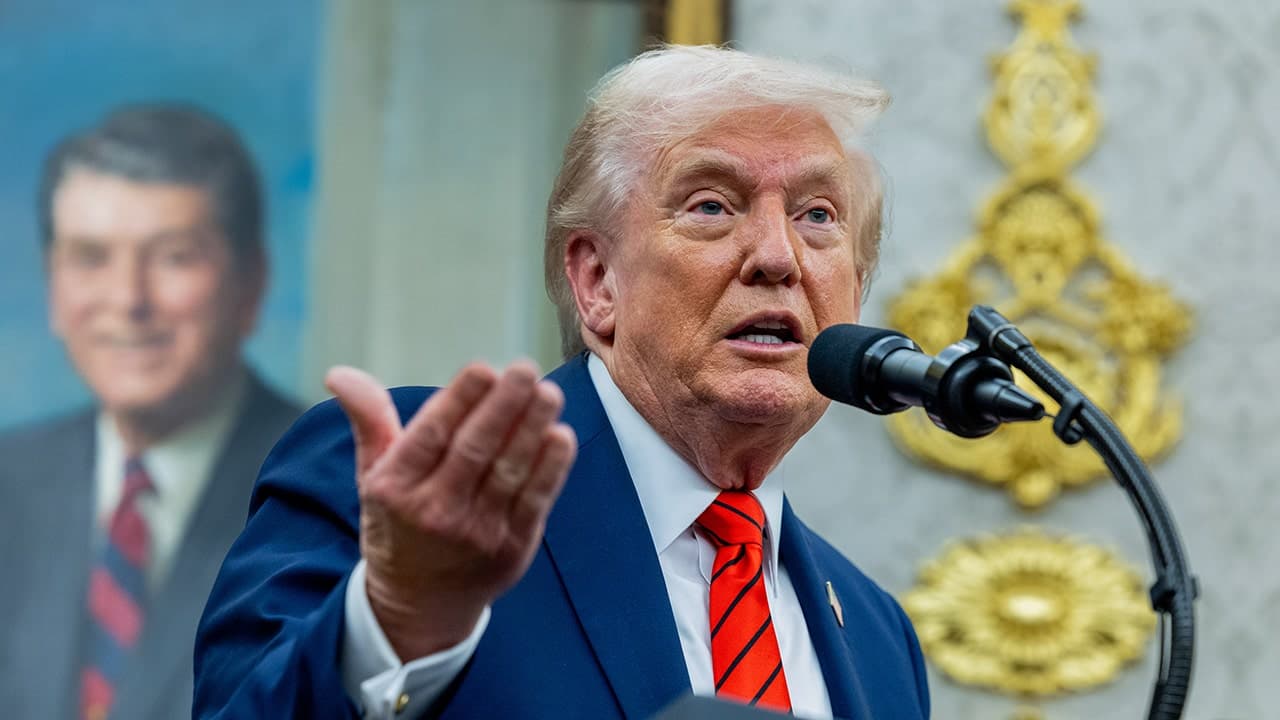
Israel and Hamas Begin Hostage Exchange as Trump Arrives in Egypt for Gaza Peace Summit
Key Takeaways
- Hamas released all 20 living Israeli hostages to the Red Cross under a US-brokered ceasefire.
- Israel agreed to release nearly 2,000 Palestinian prisoners in exchange for the hostages.
- Donald Trump visited Israel and Egypt to oversee the ceasefire and co-chair a peace summit.
Hostage Exchange and Ceasefire Update
A fragile U.S.-brokered ceasefire has opened the way for a multi-stage hostage–prisoner exchange.
Hamas has begun releasing hostages inside Gaza as diplomatic convoys head to Egypt.

The first seven Israeli hostages were handed to the International Committee of the Red Cross.
All 20 surviving captives are expected to be transferred in coordinated phases.
Israeli authorities say the return process includes medical checks and reunions.
Donald Trump arrived in the region to co-chair talks in Sharm el-Sheikh and declared “the war is over.”
Security arrangements and timelines for the exchange remain tightly choreographed.
Around 200 U.S. troops have deployed to Israel to help monitor the truce and coordinate transfers.
This deployment underscores that the implementation of the ceasefire is still delicate and contested on the ground.
Prisoner Exchange Details
The deal’s scale and the numbers involved are reported unevenly across different outlets.
Several sources indicate that Israel will release roughly 2,000 Palestinian prisoners in exchange for 20 living Israeli hostages and the return of bodies of the deceased.

The specifics of the deal vary widely depending on the source.
West Asian and Asian outlets describe broad categories of prisoners, including minors and detainees without charges.
Some Western and Israeli reports emphasize those convicted of deadly attacks.
Meanwhile, initial phases of the exchange have already begun, with prisoners being transported from Ofer Prison.
This has occurred amid Israeli warnings against public celebrations.
Sharm el-Sheikh Summit Overview
Diplomacy centers on a Sharm el-Sheikh summit co-led by Trump and Egypt’s Abdel Fattah el-Sisi.
“President Donald Trump brought together leaders from more than 20 countries to finalize a ceasefire agreement between Israel and Hamas to end the Gaza war”
Reporting diverges over who is actually attending the summit.
Multiple outlets say Hamas and Israel are not directly participating, with mediation by Egypt, Qatar, and others.
Some Western and regional sources claim Netanyahu would attend the summit.
Other sources say Netanyahu declined to attend due to a Jewish holiday.
Iran’s absence is consistently noted, reflecting wider regional rifts.
Plans and Disputes Over Gaza
Competing blueprints for Gaza’s future reflect deep disagreements.
The U.S. envisions an international governance arrangement with Palestinian technocrats and an Arab-led security force, including Palestinian police trained by Egypt and Jordan, and a phased Israeli withdrawal.

Some proposals discuss a future Palestinian state.
Hamas rejects external control and disarmament.
Netanyahu opposes Palestinian Authority involvement and a state without reforms.
Several outlets note roughly 200 U.S. troops are on the ground to help monitor the ceasefire and coordination, underscoring the plan’s fragile, enforcement-heavy nature.
Media Perspectives on Gaza Crisis
On the ground, humanitarian realities and political theater collide.
“The deal includes a ceasefire, hostage exchanges, Israeli troop withdrawal, and increased humanitarian aid”
Western mainstream outlets stress the staggering toll—over 67,000 Palestinians killed and 90% of Gaza’s population displaced—alongside limited but increasing aid deliveries.

West Asian reporting highlights slow aid, deprivation, and displaced Palestinians returning to shattered neighborhoods.
In contrast, several Western tabloid and other outlets spotlight Trump’s hero’s welcome, proposed honors, and even Nobel talk.
Some Asian outlets uniquely assert large-scale returns to Gaza City under a U.S.-led initiative.
The divergent lenses show celebration and symbolism juxtaposed with unresolved catastrophe and accountability claims.
More on Middle East

President Trump issues 60-day Jones Act waiver to curb oil prices amid Iran war
14 sources compared
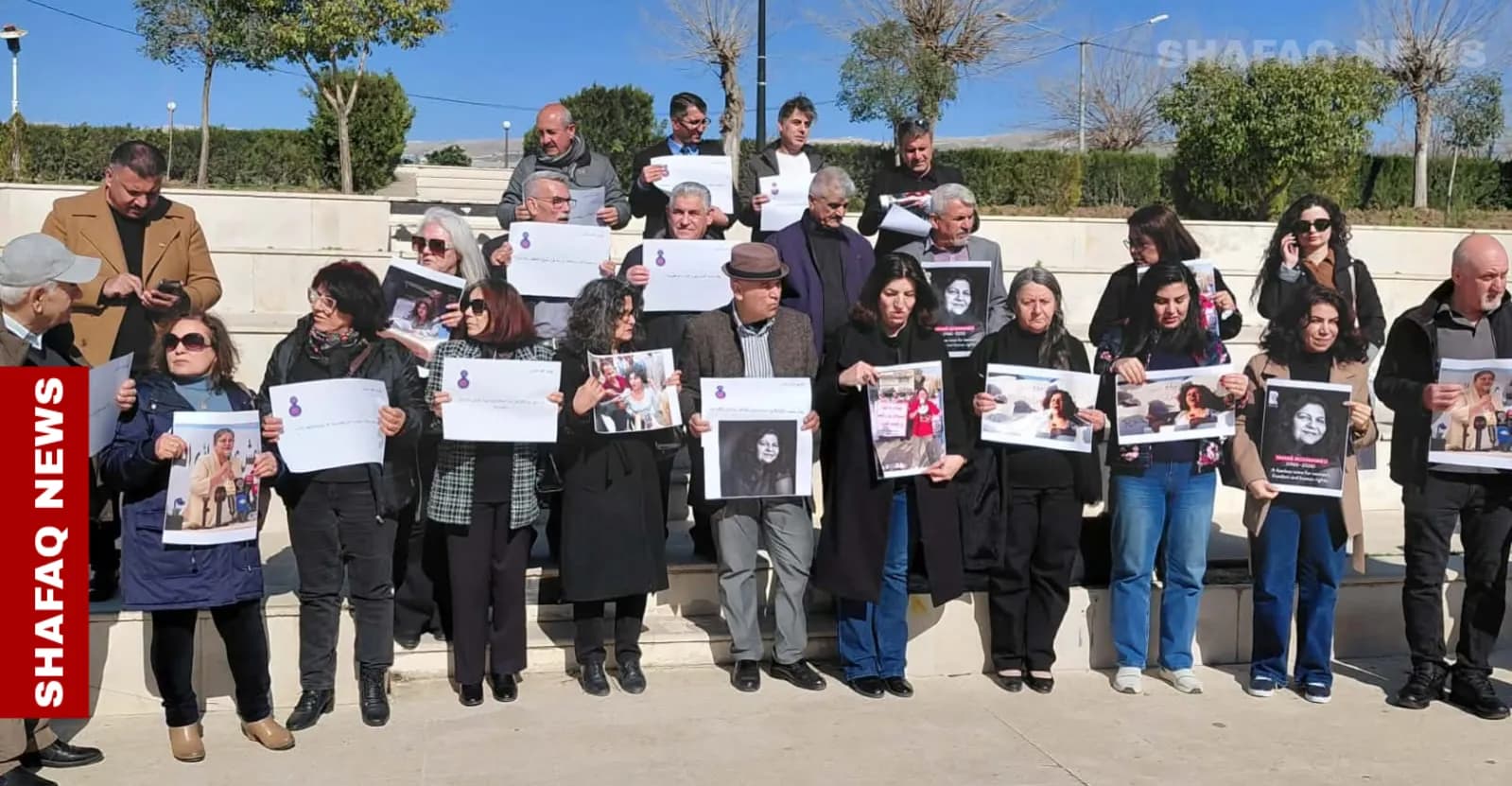
Unidentified Gunmen Assassinate Yanar Mohammed Outside Her Baghdad Home
12 sources compared

Israel Partially Reopens Rafah Crossing After Deadly Assault on Gaza
32 sources compared
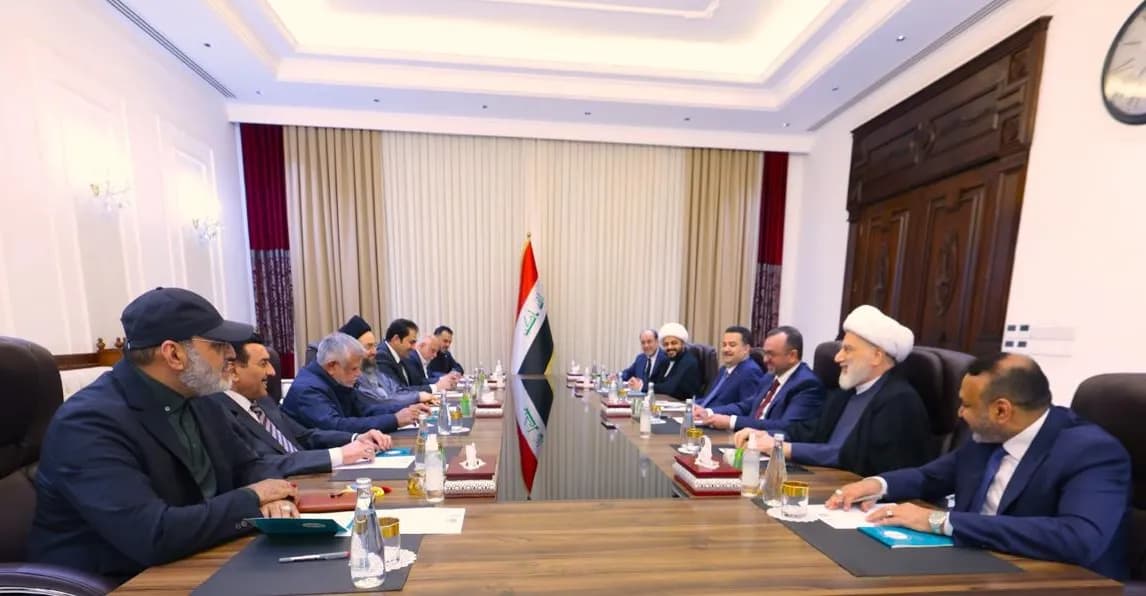
Trump Threatens To End U.S. Support If Iraq Reinstates Nouri al-Maliki As Prime Minister
21 sources compared