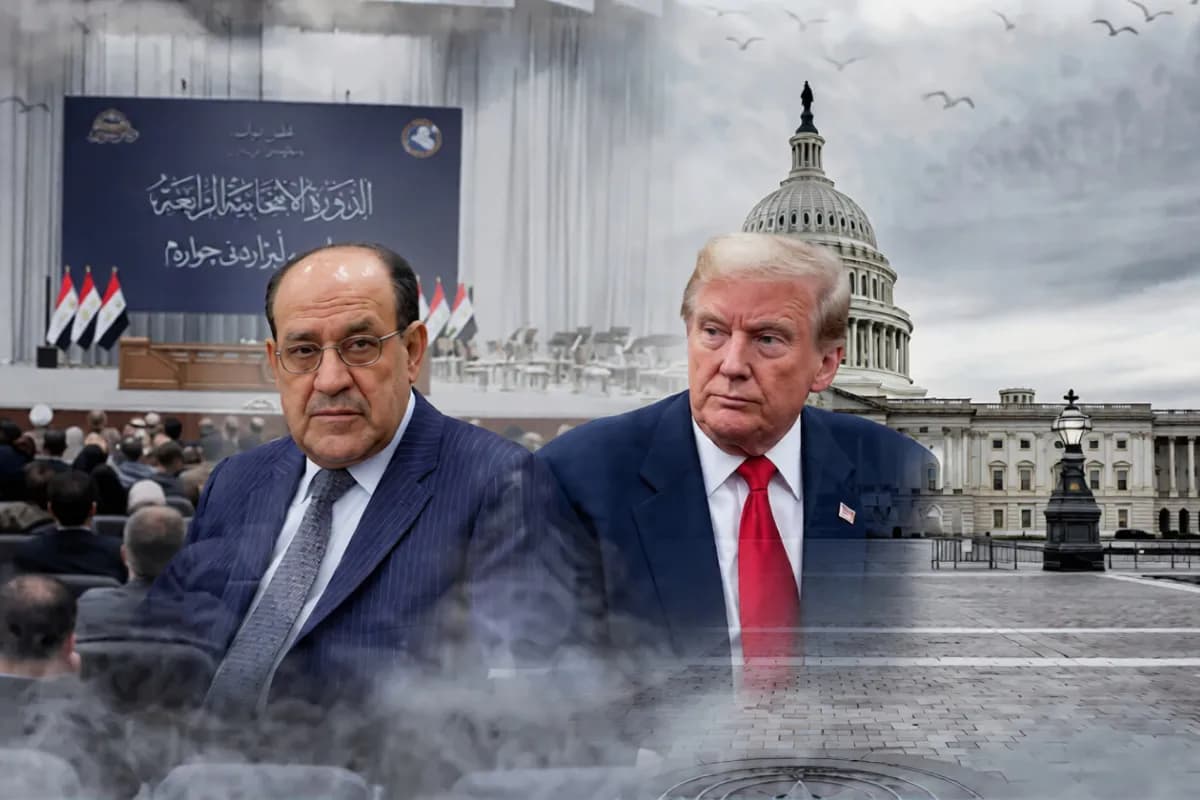
Iraq's Shia Alliance Reaffirms Support for Nouri al-Maliki, Defies Trump Threats to Cut US Aid
Key Takeaways
- Iraq's main Shia Coordination Framework reaffirmed backing for Nouri al-Maliki as prime minister
- The alliance stated prime minister selection is an internal constitutional matter, opposing foreign interference
- President Trump threatened to cut US aid to Iraq over al-Maliki's nomination
US-Iraq leadership standoff
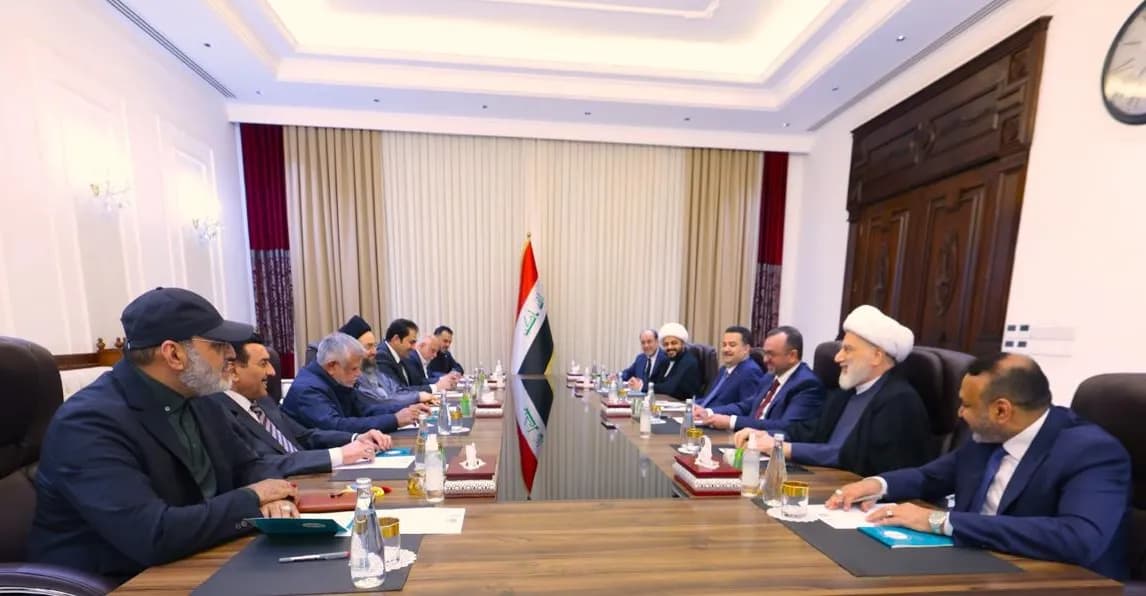
Iraq's largest Shia parliamentary bloc, the Coordination Framework, publicly reaffirmed its support for Nouri Kamel al-Maliki as prime minister and insisted that Iraq's choice must remain free from foreign intervention.
“The Coordination Framework said that selecting a PM is an internal constitutional matter and should take place without foreign interference”
The statement followed a warning from US President Donald Trump that Washington would cut or withdraw support if al-Maliki were chosen.

Al-Maliki dismissed the warning on X as blatant interference and said he would continue his bid for premiership.
The sequence of a domestic parliamentary endorsement, a presidential admonition, and al-Maliki's direct response frames a tense standoff between Iraq's main Shia political forces and US pressure over Baghdad's leadership choices.
Al-Maliki political background
The political background to the confrontation is long-standing.
Al-Maliki, 75, is a senior Dawa Party figure who served as Iraq’s prime minister from 2006 to 2014.
His tenure was turbulent, marked by sectarian struggle, corruption allegations and his 2014 resignation following ISIS gains.
Both outlets note his continued political weight and ties to Iran-aligned elements.
gtvnewshd explicitly references his close ties with Iran-backed groups and his enduring influence despite controversies.
Al Jazeera highlights the historical context of sectarian power struggles and tensions with the US during his earlier premiership.
This history helps explain why both Iraqi blocs and Washington view his potential return as consequential for Iraq’s domestic balance and regional alignments.
US influence over Iraq
Both outlets present the US warning as a direct lever of influence over Baghdad.
“The Coordination Framework said that selecting a PM is an internal constitutional matter and should take place without foreign interference”
Al Jazeera frames Trump’s intervention as part of a broader US policy to curb Iran-linked influence in Iraq.
gtvnewshd describes a concrete mechanism of US leverage: Iraqi oil export revenues held at the Federal Reserve Bank in New York, which it says underpin Washington’s ability to pressure Baghdad.
Al-Maliki and the Coordination Framework’s public insistence on internal decision-making pushes back against those levers, turning the dispute into a test of Iraqi political autonomy versus external pressure.
Iraq political implications
The domestic political implications are significant.
Both sources indicate that al-Maliki remains a politically influential figure whose nomination would reshape coalition calculations, and the Coordination Framework's unified backing signals it can marshal parliamentary weight and push back on external pressure.
At the same time, Trump's public threat raises the prospect of concrete consequences, including cuts to US assistance that could affect security cooperation and reconstruction support.
The clash could therefore recalibrate Iraq's external alignments and internal power-sharing if Washington follows through on threats or if Baghdad reasserts autonomy.
Media framing differences
Differences in coverage and omission are notable: gtvnewshd includes the specific claim that US leverage partly rests on Iraqi oil revenues at the New York Fed, a concrete operational detail absent from Al Jazeera's snippet.
“The Coordination Framework said that selecting a PM is an internal constitutional matter and should take place without foreign interference”
Al Jazeera emphasizes the broader geopolitical motive behind Washington's move, calling it part of efforts against Iran-linked influence and situating al-Maliki's past within sectarian and corruption-tainted years.
Both sources, however, agree on the core facts: the Coordination Framework's backing, Trump's warning, and al-Maliki's rejection.
Where they diverge is chiefly in tone and what background details they prioritize, which shapes readers' understanding of whether the story is primarily about sovereignty, regional rivalry, or financial leverage.
More on Middle East

President Trump issues 60-day Jones Act waiver to curb oil prices amid Iran war
14 sources compared
Unidentified Gunmen Assassinate Yanar Mohammed Outside Her Baghdad Home
12 sources compared

Israel Partially Reopens Rafah Crossing After Deadly Assault on Gaza
32 sources compared
Trump Threatens To End U.S. Support If Iraq Reinstates Nouri al-Maliki As Prime Minister
21 sources compared