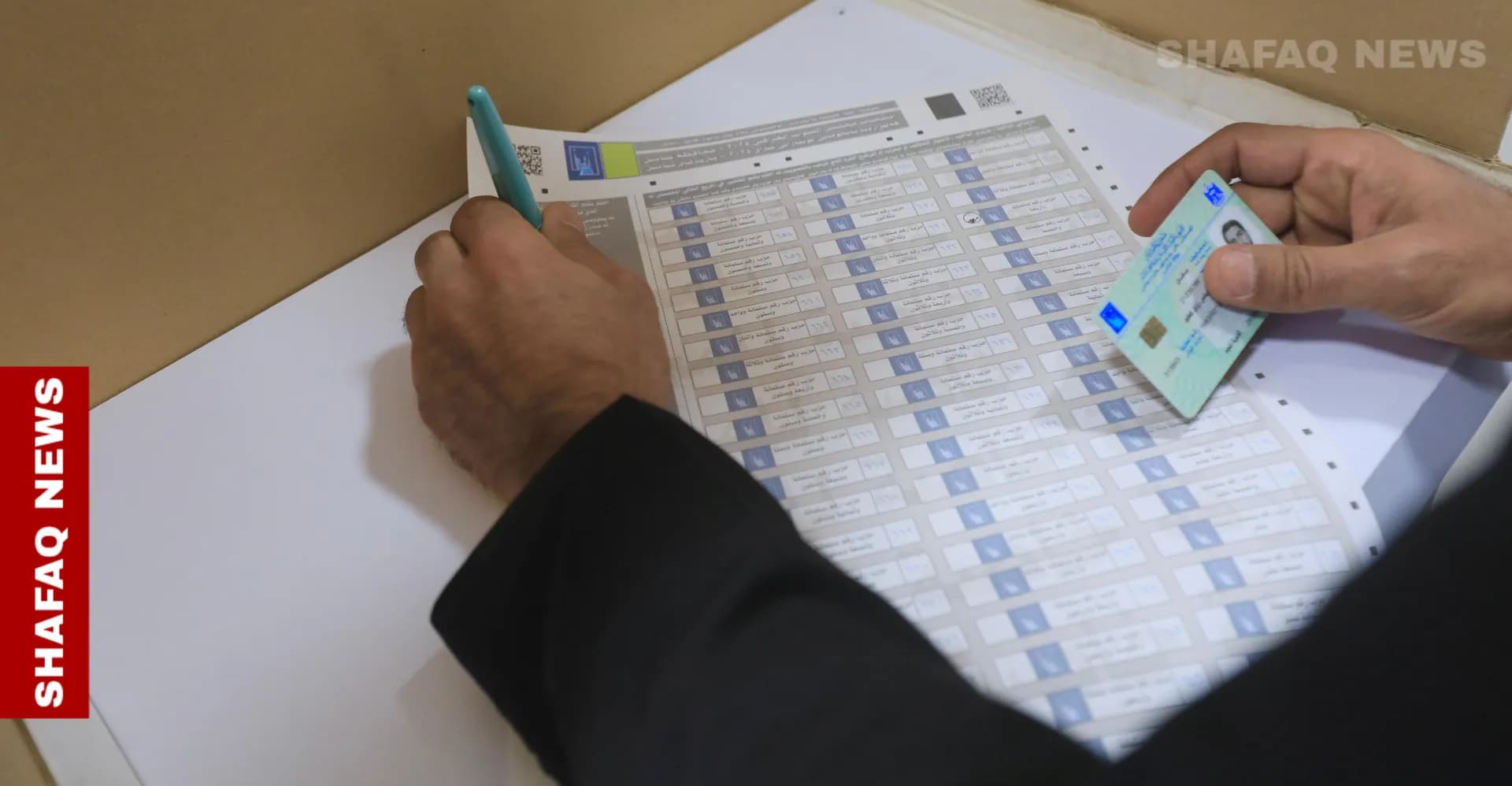
Iraqi Voters Shun Parliamentary Election
Key Takeaways
- Influential Shia leader Moqtada al-Sadr led a major boycott of the election
- Voter turnout was low, with widespread public apathy and skepticism about change
- Polling took place under tight security while the US and Iran closely watched the vote
Iraq parliamentary election overview
Iraq held parliamentary elections to fill 329 seats amid low visible turnout.
“Iraqis are voting in a parliamentary election marked by tight security and a major boycott BAGHDAD --Iraqis headed to the polls on Tuesday to vote in aparliamentary election marked by tight securityand a boycott by a major political bloc”
The ballot was crowded with roughly 7,740–7,750 candidates, about one-third of them women.

Authorities reported millions registered to vote, with Al Jazeera noting nearly 21 million voters registered at 4,501 polling stations.
Multiple outlets confirmed the large field of contenders, with France 24 reporting more than 7,740 candidates contesting 329 seats.
Al-Jazeera Net described the vote as Iraq's sixth post-2003 parliamentary election, with over 20 million voters across 18 provinces (including Kurdistan) choosing among 7,743 candidates.
Several sources said the electoral rules favor larger parties and cap independent contenders at 75, a point echoed by regional outlets noting the new law's tilt toward bigger parties.
Boycott, turnout, and unrest
The vote was marred by a high-profile boycott by Muqtada al‑Sadr’s Sadrist Movement and by visible voter apathy and local unrest.
ABC News reported that the powerful Sadrist Movement, led by Muqtada al‑Sadr, boycotted the election and that al‑Sadr’s followers, especially in Sadr City, largely stayed home.

One polling center serving 3,300 voters had recorded fewer than 60 votes hours into balloting, ABC News added.
Al Jazeera summarized broad distrust, saying the vote was marked by widespread voter apathy and distrust.
Local outlets noted security incidents and enforcement actions, with ABC News documenting violence that flared in Kirkuk before polls opened and killed two police officers.
Authorities also cracked down on alleged vote-buying, arresting 46 people and seizing about 1,841 voter cards, according to reports.
At the same time, The Media Line highlighted mobilization among younger voters and reported high early-voting rates for security forces and displaced people.
Iraq election dynamics
Longstanding factional divides shaped the ballot.
“Iraq’s upcoming elections face major hurdles: a boycott led by influential Shia cleric Moqtada al-Sadr in reaction to plans to end the sect-based quota system, low voter turnout—particularly among young people—and widespread public anger over security and poor public services”
Incumbent Prime Minister Mohammed Shia al-Sudani ran for a second term, while established Shiite, Sunni and Kurdish leaders, including former PM Nouri al-Maliki and Sunni speaker Mohammed al-Halbussi, dominated the lists.
France 24 noted the ballot featured few new or reformist faces, and Al-Jazeera Net said al-Sudani faces strong competition in Shiite areas from Nouri al-Maliki’s State of Law.
Observers described intra-Shiite rivalry, Kurdish party battles between the KDP and PUK, and Sunni fragmentation.
Several outlets warned that no single bloc is likely to secure a majority, making coalition deals decisive.
Sources cited include France 24, Al-Jazeera Net, Free Malaysia Today, Evrim Ağacı, and The Sun Malaysia.
Foreign influence and security
The geopolitical stakes and security context featured prominently in coverage.
Outlets warned that Iraq remains a zone of competition between Iran and the United States, with both watching the outcome.

KTBS reported that the vote was being closely watched by both Iran and the United States.
The Sun Malaysia described Iraq as a battleground for Iranian and U.S. influence.
France 24 underlined the Shiite majority's alignment with Iran.
Al Jazeera highlighted complaints that elections benefit elites and regional powers and linked domestic governance issues with external influence.
Security measures and tightened policing were noted across outlets.
Post-vote transition outlook
Observers and officials warned the post‑vote process could be protracted and legally contested.
“Iraq’s customary sectarian power-sharing—presidency for Kurds, prime minister for Shiites, parliamentary speaker for Sunnis—frames the election”
ABC News noted a potential legal challenge when Iraq’s Supreme Judicial Council said the election date was unconstitutional after it had been scheduled for Nov. 24, raising the possibility of court challenges to the results.

Multiple outlets predicted lengthy coalition bargaining because the new parliament must follow several procedural steps before a government can be formed.
Free Malaysia Today and France 24 emphasized that no single bloc is projected to win a majority, making coalition negotiations decisive.
The mix of legal questions, political fragmentation and external pressure suggests the path to a stable government will be contested and slow.
More on Middle East

President Trump issues 60-day Jones Act waiver to curb oil prices amid Iran war
14 sources compared
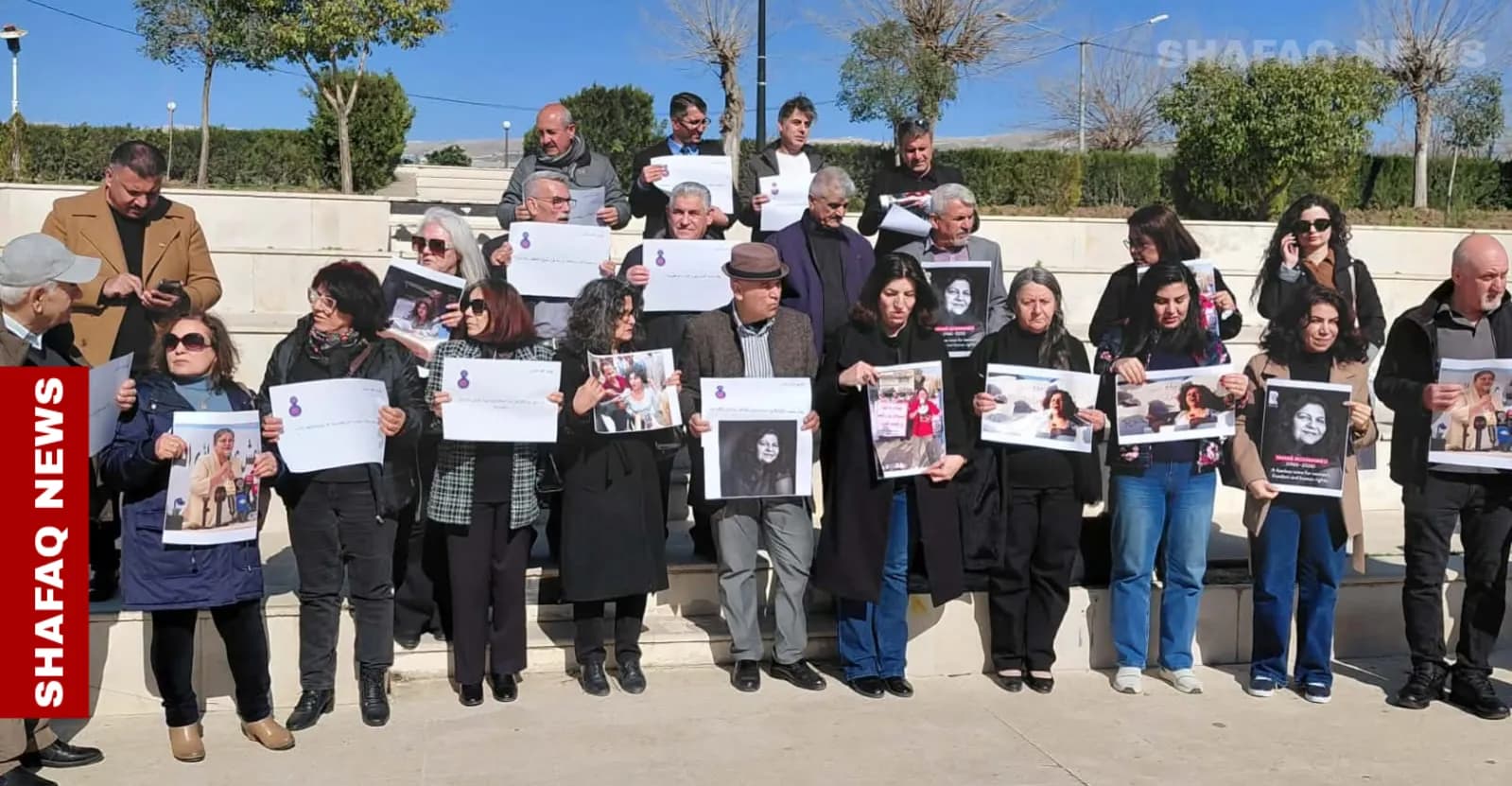
Unidentified Gunmen Assassinate Yanar Mohammed Outside Her Baghdad Home
12 sources compared

Israel Partially Reopens Rafah Crossing After Deadly Assault on Gaza
32 sources compared
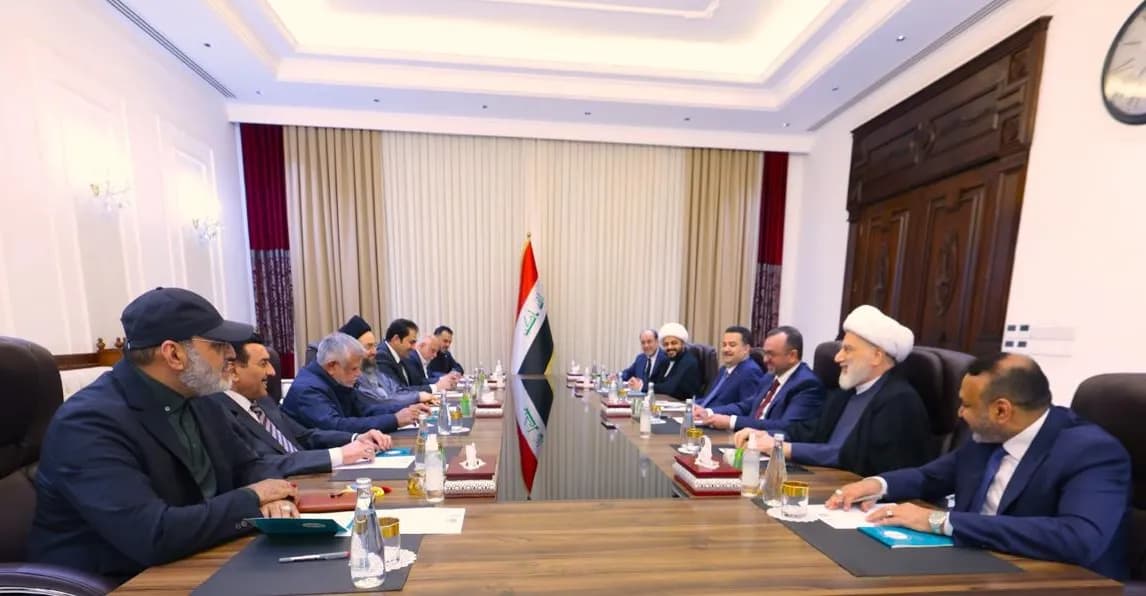
Trump Threatens To End U.S. Support If Iraq Reinstates Nouri al-Maliki As Prime Minister
21 sources compared