
Iraq Resumes Kurdish Oil Exports to Turkey After 2.5-Year Halt
Key Takeaways
- Crude oil exports from Kurdistan to Turkey resumed after a 2.5-year suspension.
- The restart followed a tripartite interim agreement between Baghdad, Erbil, and producing companies.
- Initial exports reached around 180,000–190,000 barrels per day, targeting 230,000 bpd soon.
Kurdistan Oil Export Resumption
Iraq has resumed crude oil exports from its semi-autonomous Kurdistan region to Turkey after a suspension of over two years.
“Crude oil flowed on Saturday through a pipeline from the Kurdistan region in northern Iraq to Turkey for the first time in 2-1/2 years, after an interim deal broke a deadlock, Iraq’s oil ministry said”
This resumption follows an interim agreement that resolved longstanding legal and technical disputes between the federal government in Baghdad and the Kurdistan Regional Government (KRG).

The pipeline, which had been shut since March 2023, began operations smoothly, marking a significant development in the region's oil export dynamics.
The agreement allows for the export of 180,000 to 190,000 barrels per day (bpd) to Turkey's Ceyhan port, with plans to potentially increase this to 230,000 bpd in the future.
Iraq's Oil Export Resumption
The resumption of oil exports is seen as a crucial step for Iraq's economy, which heavily relies on oil revenues.
The Iraqi Oil Ministry announced that the State Oil Marketing Organisation (SOMO) will manage the exports, with 190,000 barrels per day designated for export and 50,000 barrels per day for domestic use.
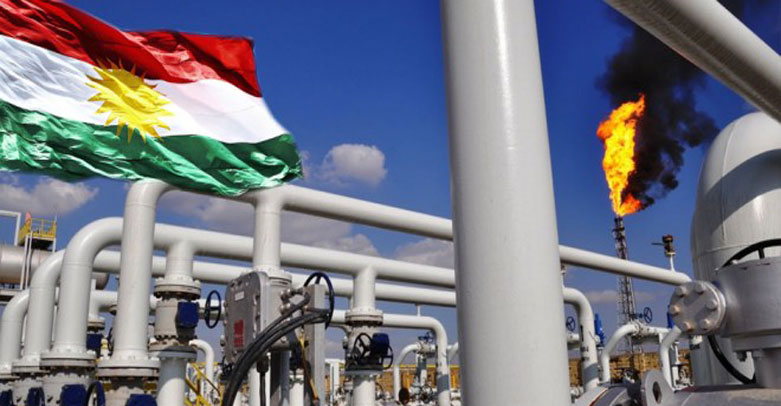
This move is expected to enhance Iraq's export capacity and contribute significantly to the country's economic stability.
The agreement also involves foreign oil producers and aims to reduce tensions between Baghdad and Erbil by facilitating federal payments to the Kurdistan Regional Government, which are essential for public services.
Iraq-KRG Oil Export Agreement
The agreement between Iraq's federal government and the KRG marks a significant shift in the control and management of oil exports.
“Crude oil shipments resumed Saturday through a pipeline from northern Iraq to Türkiye for the first time in two-and-a-half years after an interim deal broke the deadlock, Turkish Energy and Natural Resources Minister Alparslan Bayraktar announced”
Previously, the KRG independently sold oil through Turkey's Ceyhan port without federal approval, leading to disputes.
Under the new deal, the KRG will supply at least 230,000 barrels per day to SOMO, with 50,000 barrels per day reserved for local use.
Sales at Ceyhan will be managed by an independent trader using SOMO's pricing, and revenue will be shared between producers and SOMO via an escrow account.
This arrangement aims to ensure transparency and equitable distribution of oil revenues.
Iraq's Oil Export Strategy
The restart of Kurdish oil exports is part of a broader strategy to increase Iraq's oil production and market share.
Middle East Eye reports that Iraq plans to boost its export capacity through infrastructure improvements at Basra port and the renewed use of the Kirkuk-Ceyhan pipeline.
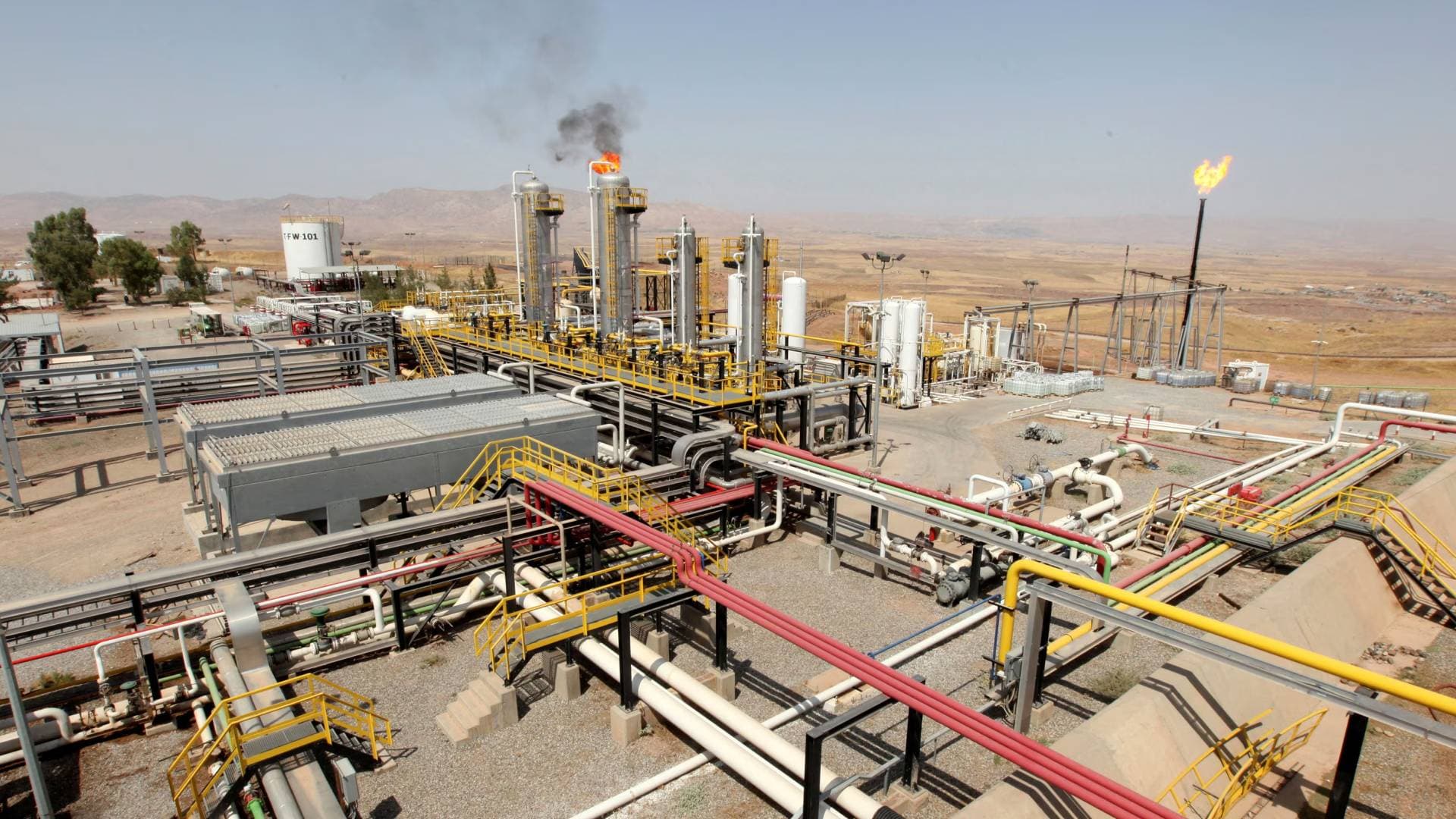
This aligns with OPEC+'s efforts to increase production.
The agreement is expected to stabilize Iraq's economy and contribute to the global oil supply.
Global oil supply has been under pressure due to geopolitical tensions and production cuts by other oil-producing nations.
More on Middle East

President Trump issues 60-day Jones Act waiver to curb oil prices amid Iran war
14 sources compared

Unidentified Gunmen Assassinate Yanar Mohammed Outside Her Baghdad Home
12 sources compared

Israel Partially Reopens Rafah Crossing After Deadly Assault on Gaza
32 sources compared

Trump Threatens To End U.S. Support If Iraq Reinstates Nouri al-Maliki As Prime Minister
21 sources compared