
Iraq Keeps US Military Advisers to Support Operations Against Daesh in Syria
Key Takeaways
- Iraq will retain a small number of US military advisers to coordinate against Daesh in Syria.
- Washington and Baghdad agreed to end the US-led coalition fighting Daesh in Iraq by September.
- US forces are withdrawing from some Iraqi bases as part of the coalition drawdown.
US Advisers in Iraq Security Plan
Iraq will keep a limited contingent of 250–350 US military advisers at key Iraqi bases beyond the planned September withdrawal.
“BAGHDAD: Iraq’s prime minister said Monday that a small contingent of US military advisers will remain in the country for now to coordinate with US forces in Syria combating the Daesh group”
Prime Minister Mohammed Shia Al‑Sudani ties the extension to security developments in neighboring Syria and continued counter‑Daesh coordination.
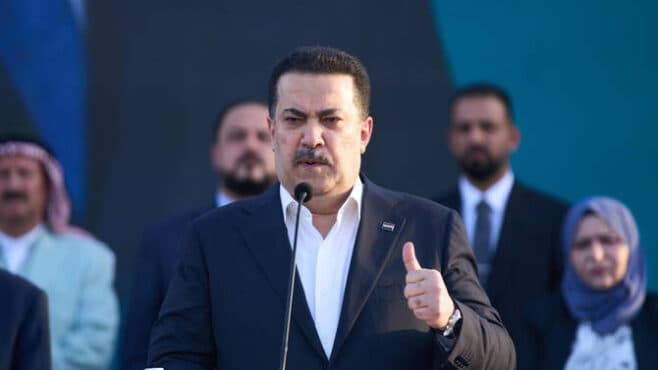
The advisers will remain at Ain Al‑Asad and Al‑Harir, focusing on counter‑ISIS surveillance and coordinating with US forces at the Al‑Tanf base in Syria.
This occurs even as the US‑led coalition draws down in Iraq.
Al‑Sudani argues that Daesh no longer poses a significant threat inside Iraq and insists Baghdad will not allow the country to become a proxy battleground.
He positions the move as a pragmatic, time‑bound security hedge rather than a re‑escalation.
Arab News adds domestic political context, noting the push to formalize Popular Mobilization Forces (PMF) integration into state institutions, which is opposed by the US.
Al‑Sudani emphasizes disarmament and national dialogue ahead of elections, framing the adviser presence within a broader effort to centralize security under the state.
Iraq's Regional Security Strategy
The rationale centers on Syria: Baghdad wants to support Iraqi and US efforts against Daesh across the border through intelligence, surveillance, and coordination with US elements at Al‑Tanf.
At the same time, Iraq signals that it faces a diminished Daesh threat within its own borders.
Al‑Sudani combines this approach with a diplomatic stance by calling for renewed US‑Iran dialogue and rejecting Iraq’s use as a proxy arena.
This is intended to keep regional spillover under control.
Arab News places this within a broader regional context involving US mediation in the Israel‑Gaza ceasefire track and the reopening of aid crossings.
It also highlights Russia’s deepening alignment with Iran, which together emphasize the balancing pressures Iraq faces.
Iraq is carefully calibrating a small, Syria‑linked advisory mission without escalating into a wider confrontation.
Iraq's Security and Sovereignty Efforts
At home, the move unfolds alongside debates over consolidating armed actors under the state.
“BAGHDAD: Iraq’s prime minister said Monday that a small contingent of US military advisers will remain in the country for now to coordinate with US forces in Syria combating the Daesh group”
Arab News reports that parliament is weighing legislation to formalize PMF integration despite US opposition.
Meanwhile, Al‑Sudani presses disarmament and invites armed factions to either join state institutions or compete politically ahead of elections.
This context helps explain why Baghdad stresses sovereignty and non‑proxy status while keeping a small US advisory footprint focused outward on Syria.
arabnews.jp underscores that the coalition is already drawing down and that Daesh is not a major internal threat.
This suggests the advisers’ utility lies in cross‑border vigilance rather than domestic combat operations.
Iraq's Strategic Regional Approach
Looking ahead, Baghdad’s message is twofold: maintain a minimal, Syria-linked advisory posture to contain Daesh across the border, and pursue diplomacy to defuse regional flashpoints that could drag Iraq into conflict.
arabnews.jp highlights Al-Sudani’s call for renewed US-Iran dialogue and critique of prior US hardline policies amid tensions over Iran-backed militias.
Arab News casts the broader environment in which Iraq must operate, from US mediation efforts around Gaza to Russia’s growing strategic ties with Iran.
Together, these accounts portray Iraq hedging against Daesh in Syria while trying to avoid entanglement in larger US-Iran and regional confrontations.
More on Middle East

President Trump issues 60-day Jones Act waiver to curb oil prices amid Iran war
14 sources compared
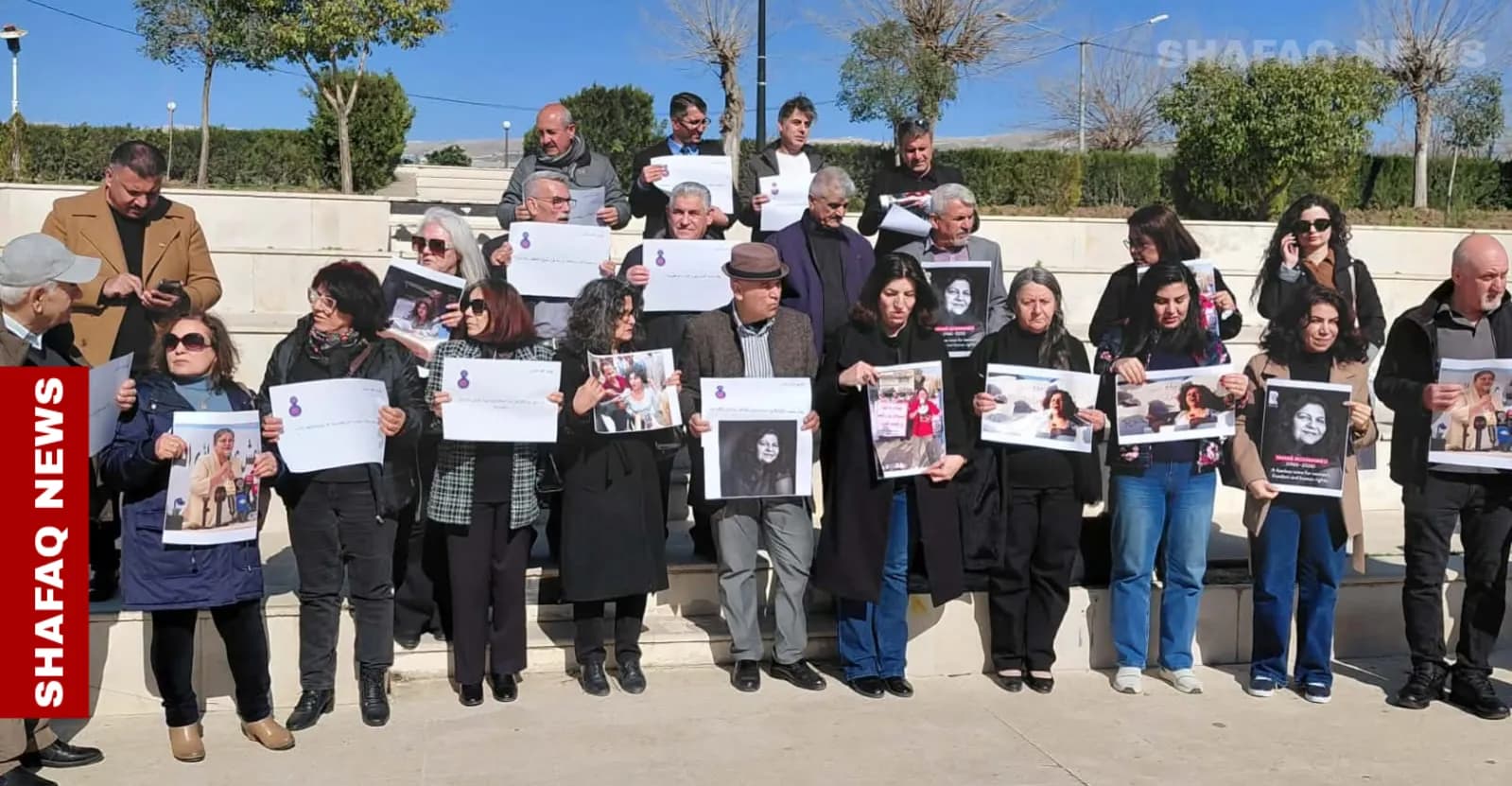
Unidentified Gunmen Assassinate Yanar Mohammed Outside Her Baghdad Home
12 sources compared

Israel Partially Reopens Rafah Crossing After Deadly Assault on Gaza
32 sources compared
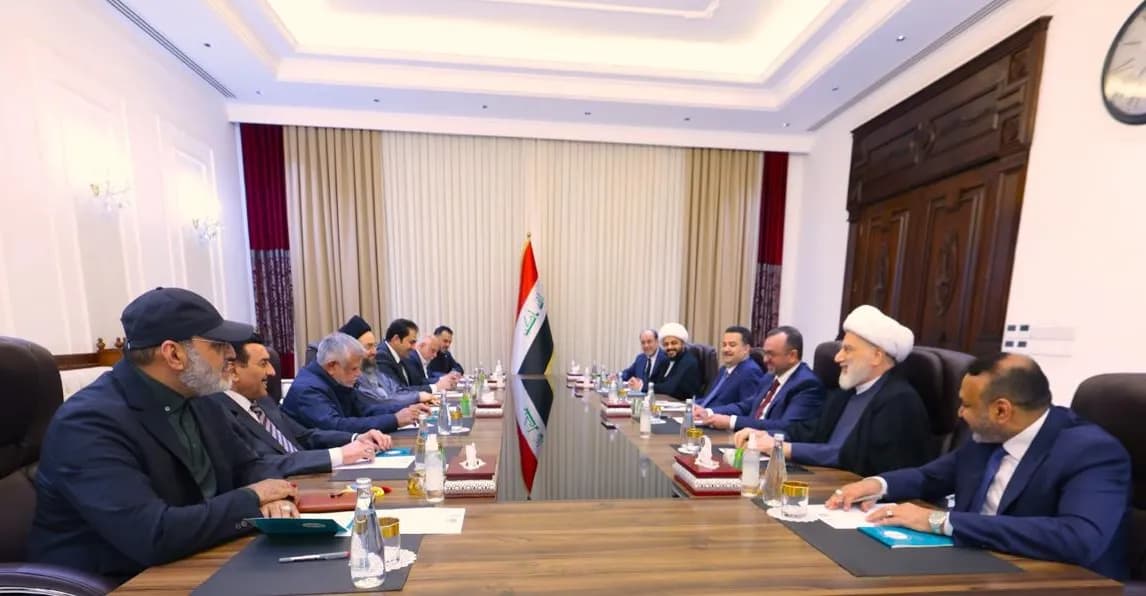
Trump Threatens To End U.S. Support If Iraq Reinstates Nouri al-Maliki As Prime Minister
21 sources compared