Iraq Joins UAE, Oman, Bahrain, Saudi Arabia, Qatar and Others in Witnessing Another Blow to Regional Stability and Global Tourism Following Iran’s Strike on US Embassy in Baghdad and an Emirati Energy Facility: New Alert
Key Takeaways
- Missile strike hit the US Embassy in Baghdad on March 14, 2026.
- Iran conducted strikes on the US Embassy and an Emirati energy facility.
- Iraq and several Gulf states witnessed a blow to regional stability and global tourism.
Escalating Attacks on US and UAE
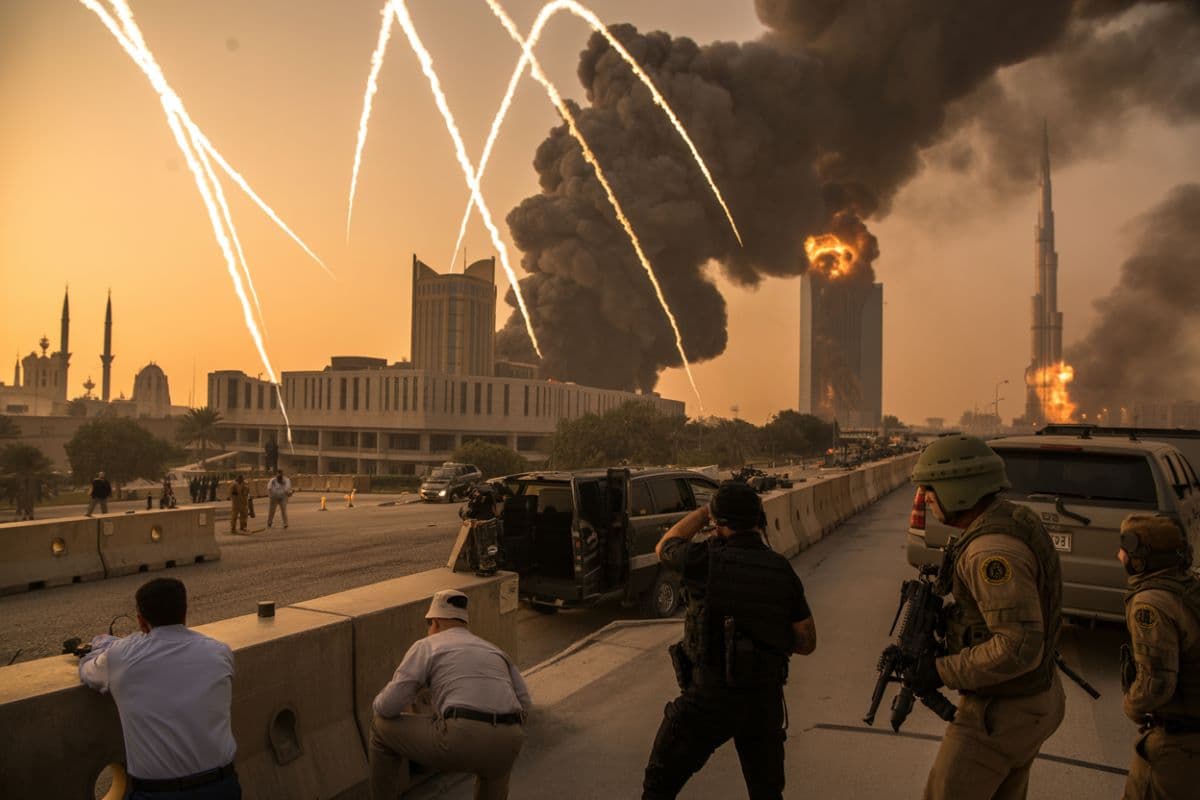
Two major attacks on March 14, 2026 escalated the Middle East conflict: a missile struck the US Embassy in Baghdad’s Green Zone, hitting a helipad inside the compound.
“Iraq joins UAE, Oman, Bahrain, Saudi Arabia, Qatar, and others in witnessing another blow to regional stability and global tourism following Iran’s strike on the US Embassy in Baghdad and an Emirati energy facility”
Simultaneously, a missile struck a major energy facility in the UAE.
The strikes are attributed to Iran-backed militias and mark the latest escalation in attacks on US targets in Iraq and the broader region.
This development underscores a severe intensification of Iran–US tensions and highlights the vulnerability of diplomatic missions and critical infrastructure in conflict zones.
Regional Stability and Travel Warnings
The attacks prompted Iraq to join UAE, Oman, Bahrain, Saudi Arabia, Qatar, and others in witnessing a blow to regional stability and global tourism.
The Middle East conflict escalates and safety and security have become increasingly uncertain.
Governments worldwide have issued travel warnings urging caution and reconsideration of non-essential travel.
These developments threaten the region’s stability and disrupt global tourism.
Economic and Energy Implications
The simultaneous attack on a major UAE energy facility adds to regional tension and threatens the UAE’s economic stability.
“Iraq joins UAE, Oman, Bahrain, Saudi Arabia, Qatar, and others in witnessing another blow to regional stability and global tourism following Iran’s strike on the US Embassy in Baghdad and an Emirati energy facility”
As a major oil exporter, disruption to energy infrastructure could have ripple effects in global energy markets.
The article notes that the attacks have raised concerns about the vulnerability of essential infrastructure in the Middle East.
Tourism Impact and Travel Advisories
Historically, the Middle East has been a popular destination for both business and leisure travel, but the ongoing conflict and recent attacks on diplomatic and economic infrastructure have made the region an increasingly risky place for tourists.
Governments, including the US, UK, and Australia, have updated their travel advisories urging caution and recommending against non-essential travel to Iraq, UAE, and Saudi Arabia.
Airlines may raise ticket prices due to rising fuel costs, and tourism to other regions may decline as a result.
Travelers are navigating airspace closures, flight cancellations, and rapid changes in government advisories, making travel planning unpredictable.
More on Iran

Iran Attacks Kuwaiti Oil Refinery as Tehran Steps Up Gulf Attacks
21 sources compared

Police Scotland Arrest Iranian Man and Woman After Breach Attempt at Faslane Nuclear Submarine Base
14 sources compared

Israel strikes South Pars gas field; Iran attacked Gulf energy sites
38 sources compared
Iran Targets Gulf Oil and Gas Facilities
74 sources compared