Iran’s Revolutionary Guard Fires on Two Indian-Flagged Tankers in Strait of Hormuz, India Warns Tehran
Key Takeaways
- IRGC fired on two Indian-flagged tankers in the Strait of Hormuz.
- No injuries reported; vessels not damaged.
- India summoned Iranian envoy amid protests over tanker fire, warning serious consequences.
Tankers Fired Upon in Hormuz
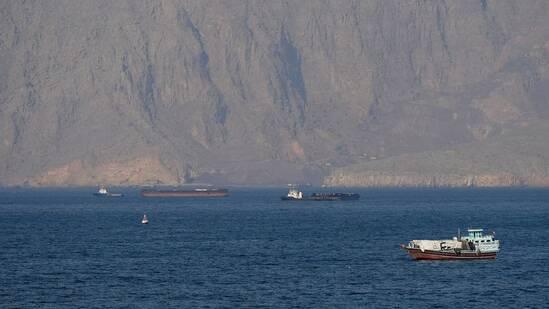
Iran’s Revolutionary Guard activity and naval gunfire triggered a fresh diplomatic confrontation after two Indian-flagged oil tankers were fired upon while attempting to pass through the Strait of Hormuz, a chokepoint between Iran and Oman.
“India warns Iran of consequences after 2 tankers attacked in Strait of Hormuz: Officials Sources said that the IRGC wants to levy a toll on all ships passing the strait amid a conflict with the US and Israel”
The incident set off immediate backlash in New Delhi, where India summoned the Iranian ambassador and conveyed “deep concern” over the shooting involving two merchant ships bound for India.

The Sunday Guardian’s Asian desk said the incident was linked to Iran’s Revolutionary Guard activity and that India warned Tehran that “there will be consequences” if safety for Indian ships and sailors is not guaranteed.
The Independent reported that India’s foreign ministry summoned Mohammad Fathali after the incident and that foreign secretary Vikram Misri conveyed the government’s “deep concern” over the shooting, urging the ambassador to convey India’s views and “resume at the earliest the process of facilitating India-bound ships across the Strait.”
NDTV later published distress audio from the tanker Sanmar Herald in which a crew member says, “Sepah Navy. Sepah Navy. This is motor tanker Sanmar Herald. You gave me clearance to go. My name is second on your list. You are firing now. Let me turn back,” as the ship tried to communicate during the firing.
Multiple outlets also tied the episode to confusion over whether the strait was open or closed, with NBC News describing Iran’s “strict control” after it reversed a declaration a day earlier that the shipping lane was fully open.
Diplomatic Protest and Names of Ships
India’s response centered on a formal protest and a demand for safe passage, with multiple outlets naming the Iranian envoy and the Indian officials involved.
The Independent said the foreign ministry summoned Mohammad Fathali and that foreign secretary Vikram Misri conveyed India’s “deep concern” over the shooting involving two merchant ships bound for India, stressing the importance India places on “the safety of commercial shipping and seafarers.”
The Indian Express quoted a spokesperson for the Ministry of External Affairs, Randhir Jaiswal, saying the ambassador was called in for a meeting with Foreign Secretary and that Misri “reiterating his concern at this serious incident of firing on merchant ships” urged the ambassador to convey India’s views and “resume at the earliest the process of facilitating India-bound ships across the Strait.”
The Sunday Guardian and WION both described the same core warning, with India telling Tehran “deep concern” and warning “such actions will have consequences” after the attack on two Indian vessels.
WION identified the tankers as Jag Arnav and Sanmar Herald, saying they were fired upon on Saturday north of Oman while attempting to transit the Strait of Hormuz and that they had to turn back after the incident.
The Independent similarly identified the vessels as Jag Arnav and Sanmar Herald and said there were no casualties and minor damages, including “shattered glass in one of the cabins.”
Why Iran Said the Strait Was Restricted
Iran’s justification for restricting passage and firing at vessels was framed in the sources as retaliation tied to the United States’ naval blockade and broader war dynamics involving the United States and Israel.
“Strait of Hormuz crisis: India warns of 'serious consequences' as tankers come under fire TEHRAN / NEW DELHI: India has issued a stern warning to Iran following an attack on two Indian oil tankers in the Strait of Hormuz”
The Sunday Guardian said Iran defended its actions by linking maritime restrictions to ongoing tensions with the United States and stated that passage through the strait remains restricted while US naval pressure and blockade conditions persist.
NBC News described Iran’s “strict control” over the strait as a response to “America's untrustworthiness,” quoting the head of Iran's National Security Commission.
The Indian Express said the Revolutionary Guards announcing the closure again was “in retaliation over the US refusal to lift its blockade of the strait until Iran agreed to its terms a peace deal,” adding that the episode produced confusion because Iran had earlier declared the “passage of all commercial vessels through Strait of Hormuz is declared completely open for the remaining period of ceasefire.”
The Times of India described escalation at sea in parallel with other incidents, saying tensions in the Gulf of Oman escalated after U.S. forces opened fire on an Iranian-flagged vessel and that President Donald Trump claimed the ship was seized after ignoring warnings.
The New York Post reported that the IRGC claimed it had closed the strait to strong-arm the US into lifting its ongoing naval blockade on Iranian ports and ships, and it quoted a regional intelligence official saying the strait was “under full IRGC control and effectively closed at this moment.”
Toll Dispute and Conflicting Signals
Beyond the gunfire, the sources describe a dispute over whether the Islamic Revolutionary Guard Corps would impose transit tolls on shipping through the Strait of Hormuz, and India’s refusal to comply.
Kerala Kaumudi said reports indicated the IRGC had begun collecting transit tolls from ships passing through the region, while Indian officials clarified that India would not comply with or pay such unauthorised tolls.

Hindustan Times similarly reported that the IRGC wants to levy a toll on all ships passing the strait amid a conflict with the US and Israel, while also saying Indian authorities were not willing to give in to such demands and that an Indian official said there was “no chance of India paying any such toll.”
WION said the IRGC is pushing to impose a toll on ships moving through the Strait of Hormuz, but Indian authorities are unwilling to accept any such demand, and it added that some reports suggest the IRGC has been collecting toll while India refused to agree to any such arrangement.
The Independent and NDTV both tied the firing episode to confusion over safe passage, with NDTV publishing the distress audio from Sanmar Herald and describing that the tanker had turned off its Automatic Identification System (AIS) while heading eastbound but turned it back on the eastern side.
The Independent also described a distress transmission from Sanmar Herald surfacing and said video reviewed by NBC News appears to show the Sanmar Herald moving through a designated safe passage or Green Area, while the ship temporarily switched off its tracking signal (AIS) and later turned around and headed back west.
Stakes, Next Steps, and Broader War
The sources portray the Hormuz incident as part of a wider, escalating confrontation between the United States, Israel, and Iran, with shipping disruption and diplomatic pressure as immediate stakes.
“Two Indian-flagged tankers turned back in the Strait of Hormuz after being fired upon by Iranian gunboats yesterday, as the waterway that carries one-fifth of the world's oil and gas remains at the centre of confusion in the middle of a war between the US, Israel, and Iran”
The Sunday Guardian said the incident widened the geopolitical fault line in the Middle East conflict and described the Strait of Hormuz as one of the world’s most dangerous flashpoints, adding that shipping insurers raised war-risk premiums and several vessels avoided passage entirely.

The Indian Express reported that scores of commercial vessels with thousands of seafarers were stuck in the Persian Gulf since the West Asia war began on February 28, with vessel movements through the Strait of Hormuz “ground to a halt” after warnings from Iran and with a few ships also coming under attack.
NBC News described new U.S. proposals under review and said there was still no date set for the next round of negotiations as both sides traded public warnings, while also quoting Iranian parliamentary speaker Mohammad-Bagher Ghalibaf saying there was “still a distance to a final agreement.”
The Independent added that the confrontation came amid wider uncertainty over a fragile ceasefire involving the US and Iran due to expire on Wednesday, and it said the war had entered its eighth week and driven oil prices higher because of the effective closure of the strait.
The New York Post quoted President Trump warning Iran against “blackmail” and saying, “They can’t blackmail us,” while also claiming “We have very good conversations going on. It’s working out very well,” as he downplayed the long-term impact and said global shipping has begun adjusting routes.
More on Iran

Iran Launches Drone Strikes On U.S. Ships After U.S. Navy Seizes Iranian-Flagged Cargo Vessel Near Hormuz
14 sources compared
United States Seizes Iranian-Flagged Cargo Ship Near Strait of Hormuz, Oil Prices Jump
12 sources compared

Mohammad Reza Aref Says Iran’s Strait of Hormuz Security Is Not Free
12 sources compared

U.S. Readies Global Boarding of Iran-Linked Ships, Expands Naval Blockade Worldwide
25 sources compared