Iran Threatens Strikes on Persian Gulf Energy Facilities After South Pars Strike
Key Takeaways
- Iran threatens Gulf energy facilities after Israel's South Pars strike.
- Oil prices rise, Brent around $108–$110 per barrel.
- Iran cites targets in Saudi Arabia, UAE, and Qatar.
Iran's Escalation Response
Iran escalated tensions in the Middle East by threatening strikes on major Persian Gulf energy facilities following the first direct attack on its upstream production facilities.
“Oil and natural gas markets surged after Iran signaled it could retaliate against key regional energy infrastructure following reported strikes on its upstream assets”
Israel and US forces targeted Iran's South Pars gas field and associated facilities in Asaluyeh, marking a significant escalation in the conflict as this represented the first direct attack on Iran's energy infrastructure since hostilities began.
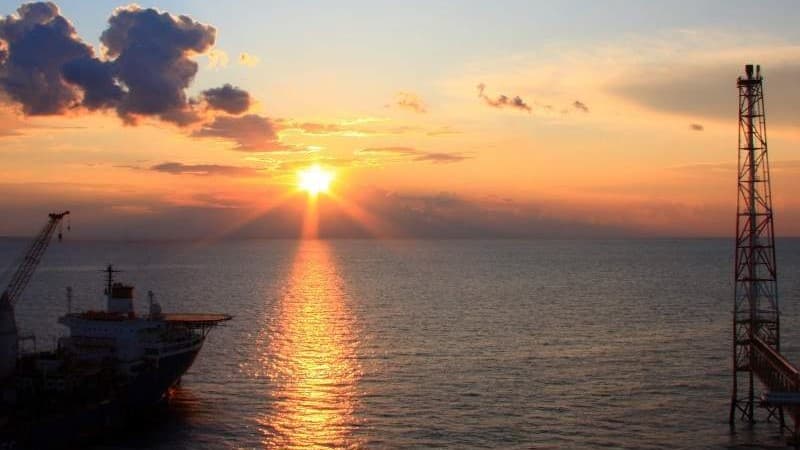
South Pars, shared with Qatar and known as the world's largest gas field, had reached record output of 730 million cubic meters per day in 2025, making it central to Iran's energy system.
In response, Iran's Islamic Revolutionary Guard Corps (IRGC) warned that major energy assets across the Gulf could become 'legitimate targets,' with semi-official media publishing a specific list of potential sites including facilities in Qatar, Saudi Arabia, and the United Arab Emirates.
The threat has already prompted immediate action, with Saudi Aramco reportedly evacuating personnel from the Samref refinery following the warning, underscoring the seriousness of the risk facing regional infrastructure.
Market Price Surge
The escalating conflict sent global oil and gas markets into turmoil, with prices surging dramatically amid fears of widespread supply disruptions.
Brent crude settled at $107.38 per barrel, rising to almost $110 during trading sessions, while American WTI closed near $96 despite partial losses of early gains.
Global oil prices jumped by approximately 4% following Iran's statements about possible attacks on energy facilities, reflecting growing market anxiety about the potential impact on global supplies.
The situation was further complicated by the de facto blockade of the Strait of Hormuz, through which up to 20% of global oil and gas supplies pass, with analysts estimating that production reductions in the region could reach up to 10% of global demand.
QatarEnergy reported 'extensive damage' from missile strikes at Ras Laffan Industrial City, and with Qatar halting LNG production due to the conflict, about 20% of the world's LNG supply is now in question, creating unprecedented pressure on global energy markets.
Regional Countermeasures
Regional powers and international actors scrambled to respond to the escalating energy crisis, implementing emergency measures to mitigate market impacts and protect critical infrastructure.
“Stocks fall, oil prices rise as Iran threatens Gulf energy sites Stocks fell and oil prices jumped on Wednesday as oil facilities across the Gulf were forced to evacuate after Iran warned countries around the Persian Gulf that a number of energy assets were now "legitimate targets" following Israel’s attack on the South Pars gas field”
The Trump administration rolled out a 60-day Jones Act waiver, temporarily lifting the shipping law that keeps U.S. coastal trade limited to American ships, in an effort to curb price increases.
Washington also greenlit some transactions with Venezuela's PDVSA, indicating a willingness to relax sanctions to ensure adequate energy supplies.
Saudi Arabia brought Kirkuk exports back online via Turkey, starting at 250,000 barrels per day, while Saudi shipments from the Red Sea are on track to hit a record 3.8 million barrels daily in March.
The U.S. and regional producers attempted to relieve pressure by expanding access to alternative supply sources, though these measures came amid growing concerns about the potential for cascading effects across global energy markets as the conflict continues to evolve.
Global Market Effects
The conflict's expansion into energy infrastructure threatens to create a broader global supply shock with far-reaching economic consequences.
Market analysts warn that with both sides signaling willingness to target critical energy infrastructure, the conflict risks evolving into a sustained supply disruption that could push both crude and LNG prices significantly higher.
Countries such as Turkey, which relies on Iran for more than 10% of its gas supply, may be forced to seek additional spot LNG cargoes, intensifying global competition for available resources.
Europe and Asia are bracing for sustained volatility in both oil and gas markets as the situation develops.
Financial markets have already reacted strongly, with the S&P 500 energy index outperforming while broader markets lost ground. LSEG Lipper data showed $2.1 billion flowing into global energy-sector funds so far in March, a pace not seen in 12 years for a single month, as investors position themselves for what many are calling the 'geopolitical risk trade.'
More on Iran

Iran Attacks Kuwaiti Oil Refinery as Tehran Steps Up Gulf Attacks
21 sources compared

Police Scotland Arrest Iranian Man and Woman After Breach Attempt at Faslane Nuclear Submarine Base
14 sources compared

Israel strikes South Pars gas field; Iran attacked Gulf energy sites
38 sources compared
Iran Targets Gulf Oil and Gas Facilities
74 sources compared