
Iran Targets Yanbu Port and SAMREF Refinery in Saudi Attacks
Key Takeaways
- Ballistic missile targeted Yanbu port; drones struck SAMREF refinery in Yanbu.
- Iran-related strikes hit Gulf energy sites, including Yanbu's SAMREF refinery.
- Oil prices rose following attacks on Gulf energy facilities.
Direct Military Response
Iran intensified its attacks on Gulf Arab neighbors' energy infrastructure on Thursday, specifically targeting Saudi Arabia's Red Sea port city of Yanbu with both ballistic missiles and drones.
“Saudi Arabia reports missile, drone attacks on Red Sea port, key refinery Defense Ministry says air defenses downed ballistic missile aimed at Yanbu port while drone struck SAMREF refinery ISTANBUL The Saudi Defense Ministry said Thursday air defenses intercepted a ballistic missile targeting the Red Sea port of Yanbu and reported a drone impact at a key oil refinery as regional tensions escalate”
According to the Saudi Defense Ministry, air defenses successfully intercepted a ballistic missile aimed at Yanbu port, while a drone struck the nearby SAMREF refinery operated by Saudi Aramco and ExxonMobil.
The attacks came amid escalating regional tensions as Iran continues retaliating against US-Israeli strikes on its own energy facilities.
Saudi officials confirmed that damage assessments were underway at the refinery, though initial reports suggested the impact on operations remained minimal.
This coordinated assault represents Iran's direct military response to the ongoing conflict that has seen multiple rounds of attacks across the Gulf region.
Strategic Importance
The SAMREF refinery in Yanbu holds critical strategic importance as one of Saudi Arabia's key energy infrastructure assets and currently the kingdom's only functioning export route for crude oil.
The facility, a joint venture between Saudi Aramco and ExxonMobil, has the capacity to process approximately 400,000 barrels per day of crude into various petroleum products including gasoline, jet fuel, diesel, and marine fuel oil.
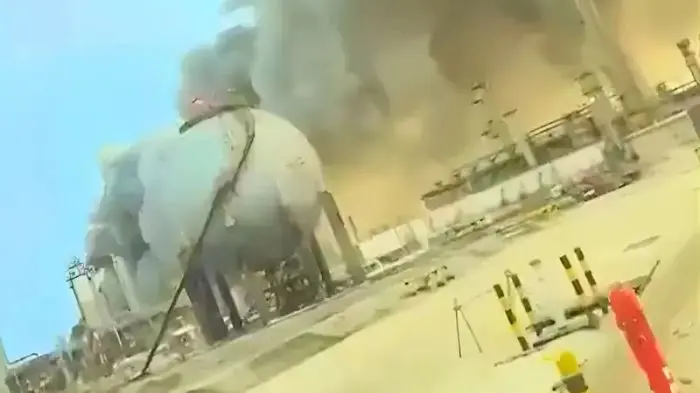
With Iran effectively closing the Strait of Hormuz - which normally carries a fifth of the world's oil supply - Yanbu has become the primary outlet for Saudi crude exports, with plans to boost shipments to a record high of 3.8 million barrels per day this month.
The refinery's location on the Red Sea makes it strategically vulnerable but also essential for maintaining global energy supplies amid the ongoing conflict.
Global Market Impact
Iran's coordinated attacks on Gulf energy infrastructure triggered significant disruptions to global energy markets and caused Brent crude oil prices to spike dramatically.
“Escalating Tensions: Drone Strikes Hit Gulf Energy Sites Drone strikes targeted key energy sites in the Gulf, including Saudi Arabia's SAMREF refinery”
International benchmark Brent crude soared to as high as $118 per barrel, representing an increase of more than 60 percent since Israel and the United States began their offensive against Iran on February 28.
The attacks extended beyond Saudi Arabia to simultaneously target energy facilities in Qatar, Kuwait, and the United Arab Emirates, creating a multi-front assault on the region's critical energy infrastructure.
QatarEnergy reported extensive damage to its Ras Laffan LNG facility, the world's second-largest LNG export hub, while Kuwait's Mina al-Ahmadi and Mina Abdullah refineries were set ablaze by drone strikes.
The UAE was forced to shut down operations at its Habshan gas facility and Bab field due to falling debris from intercepted missiles.
These coordinated attacks represent a systematic effort by Iran to disrupt global energy supplies in retaliation for US-Israeli strikes on its own South Pars gas field.
Diplomatic Condemnation
The Iranian attacks prompted strong diplomatic condemnations from across the Gulf region and beyond, with Arab countries collectively denouncing what they called Iran's 'dangerous escalation' and deliberate targeting of civilian infrastructure.
Saudi Arabia's top diplomat stated that assaults on the kingdom meant 'what little trust there was before has completely been shattered,' while Arab League Secretary-General Ahmed Aboul Gheit characterized the attacks as a dangerous escalation by Iran.
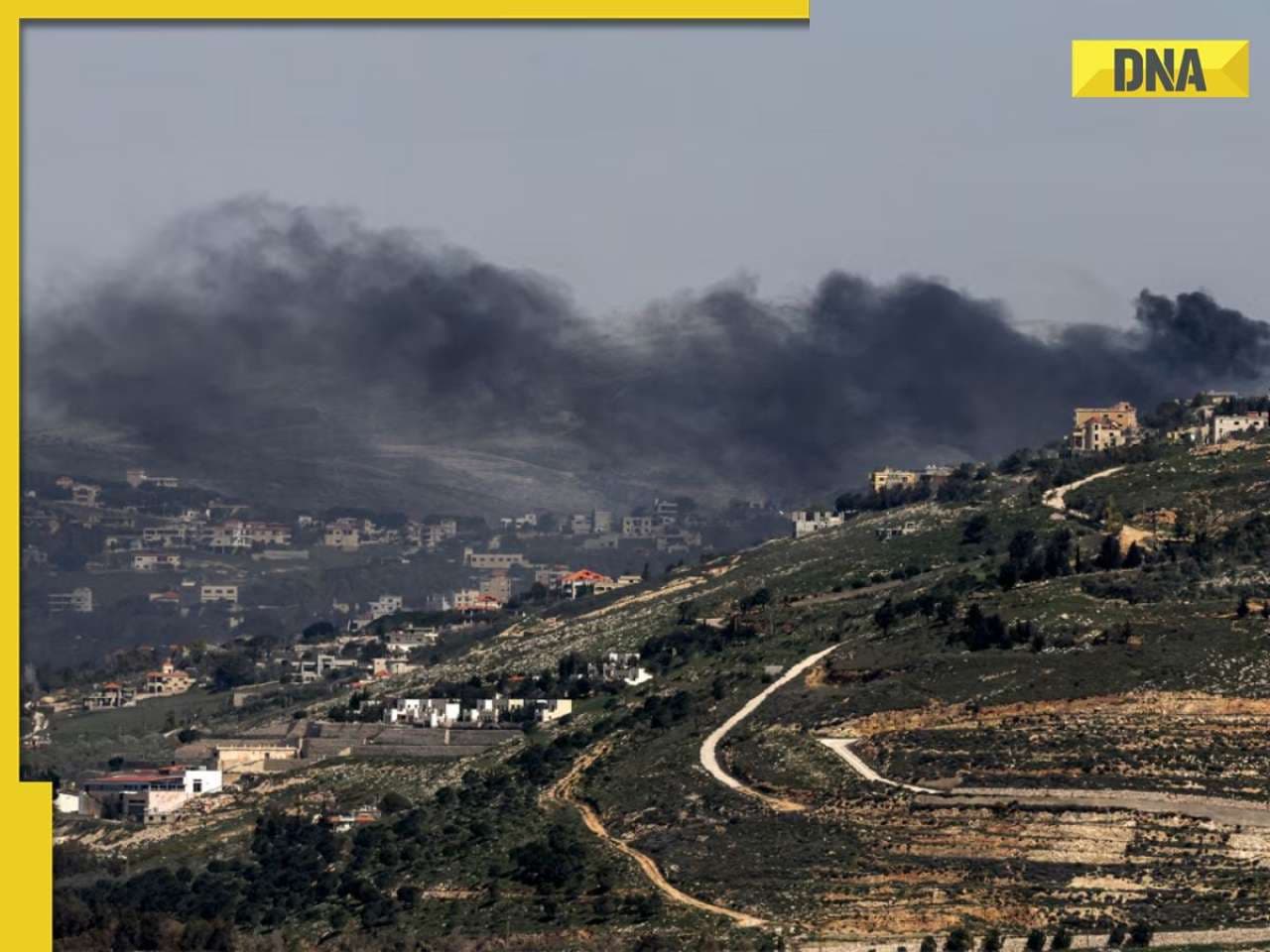
Foreign Ministers from key Arab and Islamic countries held an emergency consultative meeting in Riyadh to coordinate their response, issuing a statement that stressed the need for Iran to abide by UN Security Council Resolution 2817 (2026), which called for an immediate halt to all attacks and the cessation of support for affiliated militias.
The ministers specifically condemned Iran's deliberate attacks with ballistic missiles and drones that targeted residential areas, civilian infrastructure including oil facilities, desalination plants, airports, residential buildings, and diplomatic premises across multiple countries including Gulf Cooperation Council nations, Jordan, Azerbaijan, and Turkiye.
Damage Assessment
Iran's Islamic Revolutionary Guard Corps (IRGC) had issued evacuation warnings to several oil facilities across Saudi Arabia, the UAE, and Qatar in the days leading up to the attacks, including specifically targeting the SAMREF refinery.
“Middle East oil refineries in Saudi Arabia and Kuwait hit by drone strikes”
These warnings were interpreted as part of heightened military signaling and deliberate psychological warfare ahead of the actual strikes.

Despite the attacks, damage assessments across the targeted facilities suggested that while infrastructure had been damaged, operational impacts were initially contained.
Industry sources indicated that the SAMREF refinery would likely resume operations relatively quickly, though the long-term effects on maintenance schedules and infrastructure integrity remained unclear.
The attacks, however, highlighted the vulnerability of Gulf energy infrastructure and could potentially have broader implications for regional stability and global oil markets if the conflict continues to escalate and attacks become more frequent or sophisticated.
More on Iran

Iran Attacks Kuwaiti Oil Refinery as Tehran Steps Up Gulf Attacks
21 sources compared

Police Scotland Arrest Iranian Man and Woman After Breach Attempt at Faslane Nuclear Submarine Base
14 sources compared

Israel strikes South Pars gas field; Iran attacked Gulf energy sites
38 sources compared

Iran Targets Gulf Oil and Gas Facilities
74 sources compared