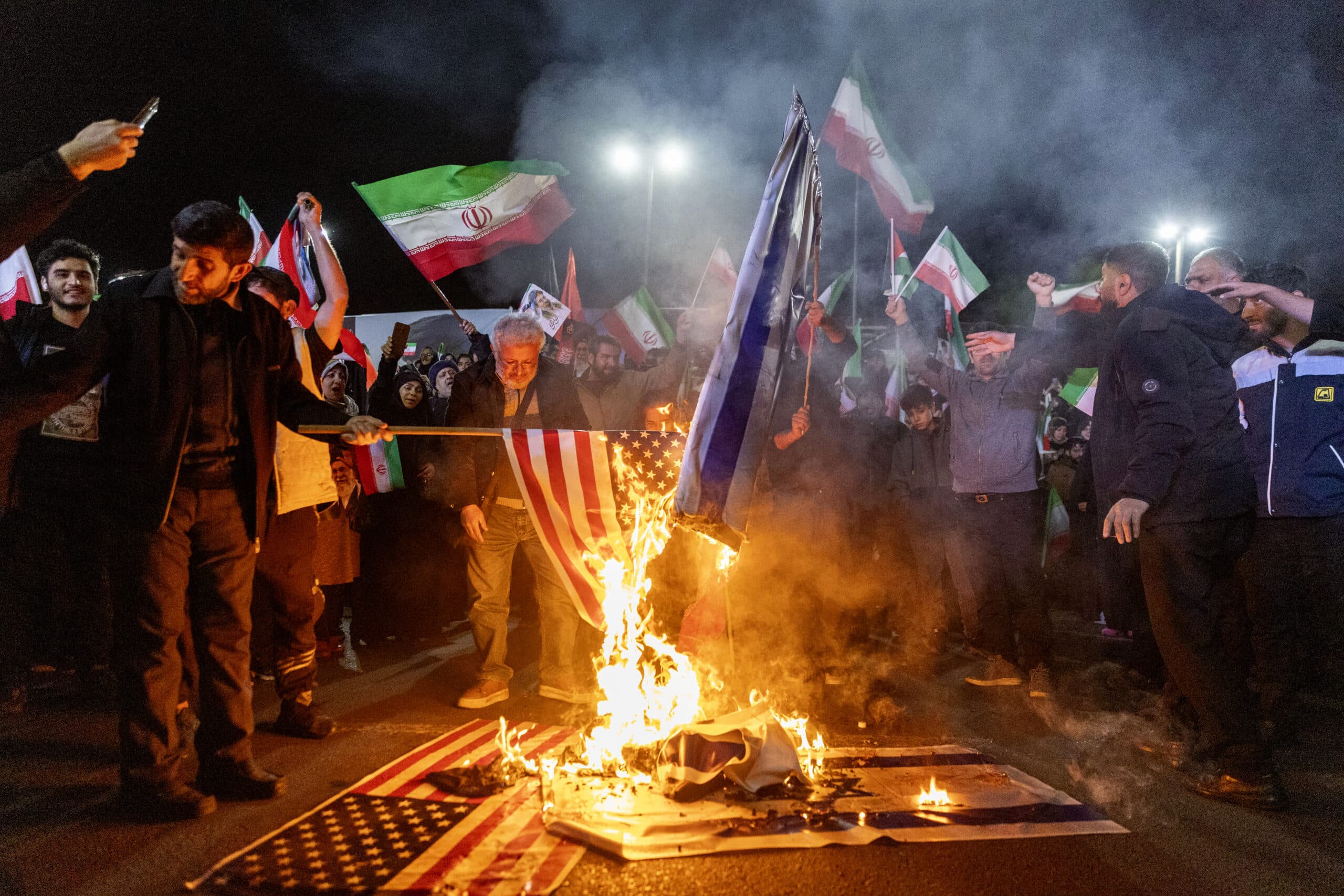
Iran Attacks Ras Laffan LNG Facility, Qatar Expels Iranian Attaches
Key Takeaways
- Iran attacked Qatar's Ras Laffan LNG facility.
- Qatar expelled Iranian attaches in response to the strike.
- Broader Gulf energy sites attacked in retaliation for Israel's South Pars strike, triggering price spikes.
Regional Escalation
Iran launched a major retaliatory campaign against Gulf energy infrastructure in response to an Israeli strike on its South Pars gasfield.
“Qatar expels Iranian attaches after LNG facility strike Iran has ratcheted up the pressure on several Gulf nations by attacking their energy facilities in retaliation for an Israeli strike on its South Pars gasfield as the war threatens to further ignite the entire region into an even more ominous phase, all-out conflagration”
The coordinated strikes targeted facilities across Qatar, Saudi Arabia, the United Arab Emirates, Kuwait, and Iraq.

Iran's Revolutionary Guards accused the US and Israel of responsibility for the initial attack on its own fuel and energy infrastructure.
This wave of reprisal attacks came as the conflict entered its third week with no sign of imminent ceasefire.
The attacks raised fears of an all-out regional conflagration that could engulf the entire Middle East in a wider conflict.
Qatar Response
Qatar's Ras Laffan Industrial City suffered devastating damage in a double missile attack by Iranian forces within 12 hours.
The world's largest LNG export plant sustained 'extensive damage' according to state-owned QatarEnergy.

Fires erupted at the facility located approximately 80 kilometers north of Doha.
Qatar's rescue department was deployed to contain the blaze, though no casualties were reported.
The attacks represented a direct challenge to Qatar's economic stability.
Ras Laffan serves as a bedrock of the Persian Gulf state's economy and the largest liquefaction facility in the world.
Market Impact
The Iranian attacks triggered immediate and severe economic consequences across global markets.
“Iran maintained attacks on energy assets around the Middle East even after US President Donald Trump called for restraint, with damage to key oil and gas infrastructure triggering a fresh surge in prices”
Oil prices surged dramatically with Brent crude rising more than 10% to as high as $119 per barrel.
European natural gas prices jumped as much as 35% to more than double pre-war levels.
Saudi Arabia's Samref refinery on the Red Sea was severely impacted by the attacks.
Kuwait's two oil refineries were struck by drones that caused fires.
UAE gas facilities were forced to shut down due to falling debris from missiles.
The closure of the Strait of Hormuz exacerbated supply fears, affecting about a fifth of global oil and LNG flows.
Diplomatic Backlash
The international community responded with unified condemnation of Iran's attacks.
Foreign ministers from 12 Arab and Islamic states issued a joint statement in Riyadh calling on Iran to 'immediately halt its attacks' and respect international law.
The ministers denounced strikes that had targeted 'residential areas, civilian infrastructure, including oil facilities, desalination plants, airports, residential buildings and diplomatic premises.'
French President Emmanuel Macron called for a moratorium on strikes targeting civilian infrastructure including energy and water facilities.
Saudi Arabia's foreign minister declared that the kingdom 'reserved the right to take military actions' against Iran if deemed necessary.
US President Donald Trump threatened to 'massively blow up the entirety of the South Pars Gas Field' if Iran continued its attacks on Qatari assets.
Strategic Escalation
The attacks on energy infrastructure represent a significant strategic escalation in the regional conflict.
“• Threat of retribution: President Donald Trump threatened to “blow up” the world’s largest gas field, a key Iranian asset, if Iran keeps up its attacks on Qatar”
Iran directly targeted economic assets to retaliate against Israeli military actions.
The South Pars gas field serves as central to Iran's gas supply and electricity generation.
Even limited disruptions can cause power shortages and economic strain for Iran.
The conflict has claimed more than 4,100 lives across the region, with three-quarters in Iran.
Israeli strikes in Lebanon have killed 968 people according to Lebanese government figures.
The targeting of civilian economic infrastructure threatens global energy markets and regional security.
More on Iran

Iran Attacks Kuwaiti Oil Refinery as Tehran Steps Up Gulf Attacks
21 sources compared

Police Scotland Arrest Iranian Man and Woman After Breach Attempt at Faslane Nuclear Submarine Base
14 sources compared

Israel strikes South Pars gas field; Iran attacked Gulf energy sites
38 sources compared
Iran Targets Gulf Oil and Gas Facilities
74 sources compared