Iran Attacks Gulf Energy Facilities in Retaliation for Israeli Gas-Field Strike
Key Takeaways
- Iran attacked Gulf energy infrastructure in retaliation for Israel's South Pars gas-field strike.
- Ras Laffan LNG facility in Qatar was among those struck.
- Global oil and gas prices surged amid the assaults on energy hubs.
Retaliatory Strikes
Iran intensified its attacks on oil and gas facilities around the Gulf on Thursday in dramatic retaliation for an Israeli strike on the South Pars gas field.
“Saudi Arabia's defense ministry said on Thursday that a drone had crashed in the Samref refinery and that damages are being assessed”
The escalation dramatically raised the stakes in a war that is sending shock waves through the global economy.
Tehran's targeting of energy production further stressed global supplies already under pressure because of Iran's stranglehold on the Strait of Hormuz.
The strikes represented a clear expansion of the conflict, hitting multiple strategic energy facilities in neighboring Arab states.
Iranian officials described the attacks as necessary retaliation for Israeli aggression against their critical energy infrastructure.
Infrastructure Damage
The Iranian strikes caused extensive damage to critical energy infrastructure across multiple Gulf nations.
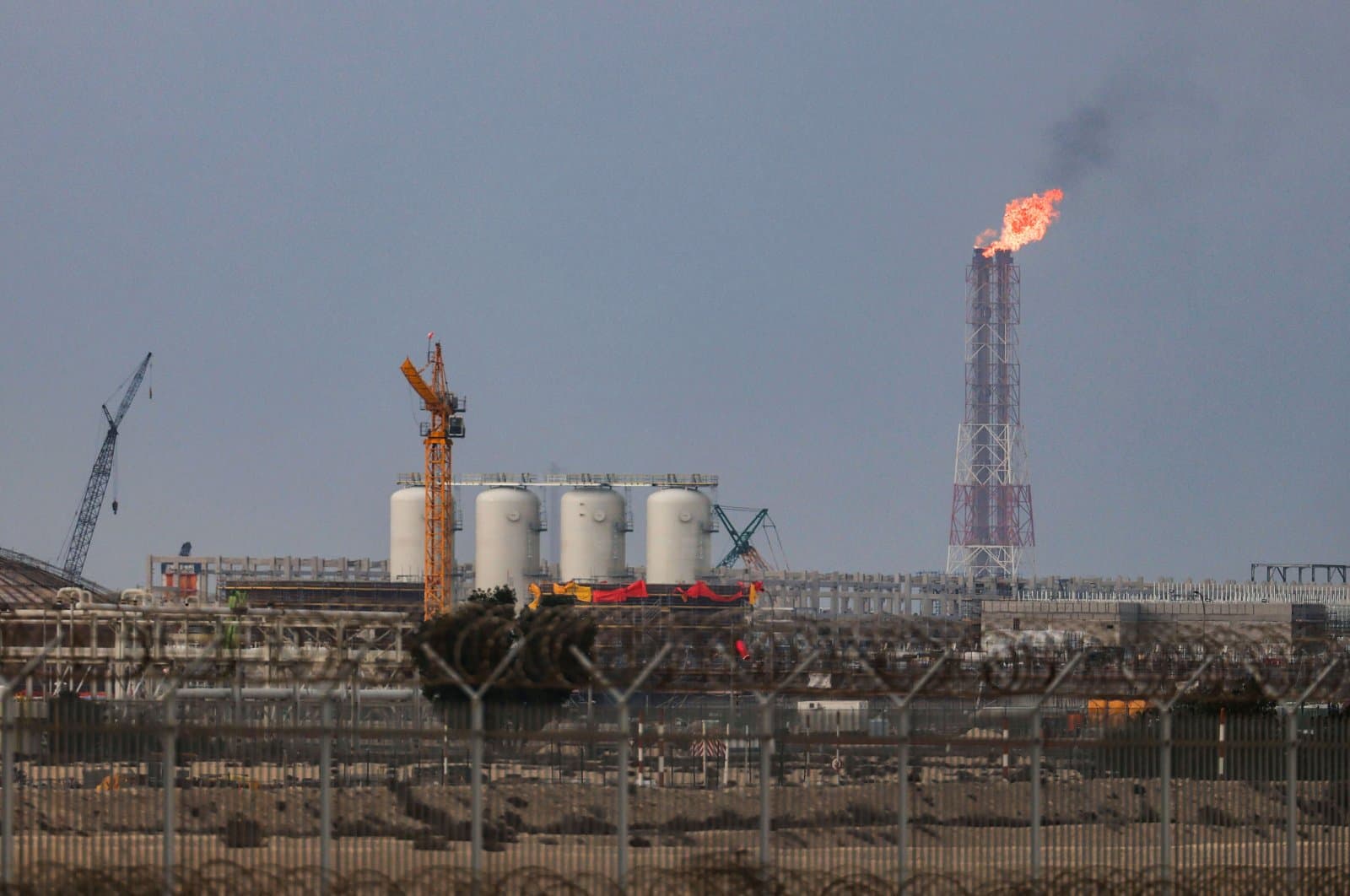
Qatar's Ras Laffan LNG facility suffered particularly significant harm from the attacks.

The world's largest liquefied natural gas export facility was hit by Iranian missiles, causing massive fires and extensive damage.
Qatar's LNG exports were reduced by approximately 17% and resulted in an estimated $20 billion in annual lost revenue.
Saudi Arabia's SAMREF refinery in Yanbu was also targeted, along with two oil refineries in Kuwait.
Gas operations in Abu Dhabi's Habshan facility and Bab field were also hit by Iranian attacks.
These attacks directly impacted nations seeking alternative routes to bypass the Strait of Hormuz.
Market Impact
The attacks triggered an immediate and severe reaction in global energy markets.
“Oil and natural gas prices were volatile Thursday after Iran ramped up strikes on energy infrastructure across the Middle East and attacked one of the world’s most important liquefied natural gas facilities in Qatar”
Brent crude oil spiked to as high as $118 a barrel, representing more than a 60% increase since the war began on February 28.
European natural gas prices soared by 35% amid fears of prolonged supply disruptions.
Other energy commodities also experienced significant price volatility.
Market analysts warned that the damage could have lasting economic consequences.
Economists estimated the average U.S. household would spend an additional $740 on gasoline this year due to the conflict's impact on global oil prices.
International Response
International leaders and organizations condemned the escalating violence and called for de-escalation.
French President Emmanuel Macron described the attacks as a 'reckless escalation' and called for a truce and negotiations.

Macron urged a moratorium on strikes targeting civilian infrastructure as the Islamic holy month of Ramadan came to an end.
The Arab League Secretary-General Ahmed Aboul Gheit condemned what he called a 'dangerous escalation.'
Ministers from 12 Arab and Islamic states issued a joint statement demanding Iran 'immediately halt its attacks' and respect international law.
Trump distanced the U.S. from the Israeli strike on South Pars, claiming Washington 'knew nothing about this particular attack.'
Trump warned that if Iran continued attacking Qatar, the U.S. would 'massively blow up the entirety' of the Iranian gas field.
Military Escalation
The conflict showed signs of further military escalation as Israel conducted strikes deeper into Iranian territory.
“Iran lashed out at the oil-rich Gulf Thursday after Israel targeted its largest offshore gas field, sending shockwaves through global energy markets”
Israel conducted its first-ever attacks in the Caspian Sea targeting Iranian Navy infrastructure.
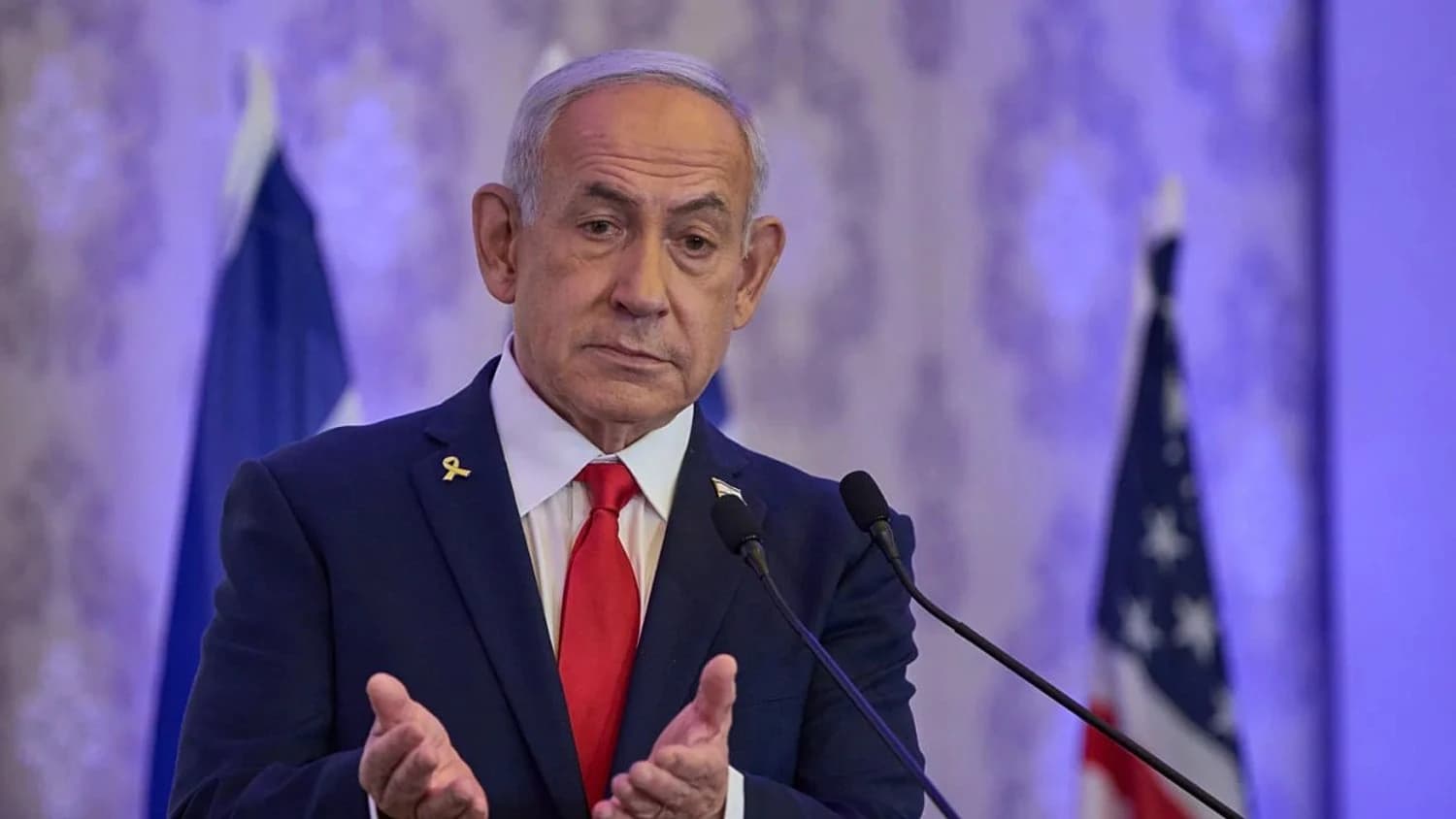
Israeli Prime Minister Benjamin Netanyahu claimed Iran's military capabilities had been severely degraded.
Netanyahu stated that Iran's air defenses had been 'rendered useless,' their navy was 'lying at the bottom of the sea,' and their air force was 'nearly destroyed.'
U.S. forces were also attacking deeper into Iranian territory, with warplanes hunting Iranian boats in the Strait of Hormuz.
U.S. forces were dropping 5,000-pound bombs on underground weapons-storage facilities.
Iranian state media accused the U.S. and Israel of attacking parts of its oil and natural gas production facilities.
More on Iran

Iran Attacks Kuwaiti Oil Refinery as Tehran Steps Up Gulf Attacks
21 sources compared

Police Scotland Arrest Iranian Man and Woman After Breach Attempt at Faslane Nuclear Submarine Base
14 sources compared

Israel strikes South Pars gas field; Iran attacked Gulf energy sites
38 sources compared
Iran Targets Gulf Oil and Gas Facilities
74 sources compared