Iran Attacks Israel with Five Missile Salvos, Targeting Jerusalem and Northern Israel
Key Takeaways
- Iran launched five ballistic missile salvos targeting Jerusalem and northern Israel.
- Haifa oil refineries were hit with minor damage; brief power outages reported.
- No casualties or significant environmental impact reported; authorities monitored debris.
Missile Barrade Overview
Iran launched a sustained barrage of ballistic missile attacks against Israel on March 19, 2026, conducting multiple salvos that targeted Jerusalem and northern regions including Haifa.
“BREAKING World Trade Organization chief warns war on Iran threatens global food securityIran strikes Israeli oil refinery as regional energy facilities targetedSurge in oil and gas prices amid concerns over global fuel supplies Click to pause breaking news tickerpause-square-backgroundClose Breaking News Tickerclose”
The attacks marked Iran's continued retaliation for Israeli strikes on its energy infrastructure, with the IDF detecting at least 13 separate missile launches throughout the day.

Sirens sounded across multiple areas including Jerusalem, Haifa, and parts of southern Israel as the attacks unfolded.
Iranian state television confirmed the strikes were targeting energy facilities and military support centers in response to an Israeli attack on the South Pars offshore gas field the previous day.
The attacks came amid heightened tensions in the region, with Iran's Foreign Minister Abbas Araghchi declaring his country would show 'ZERO restraint' if its infrastructure was struck again.
Damage Assessment
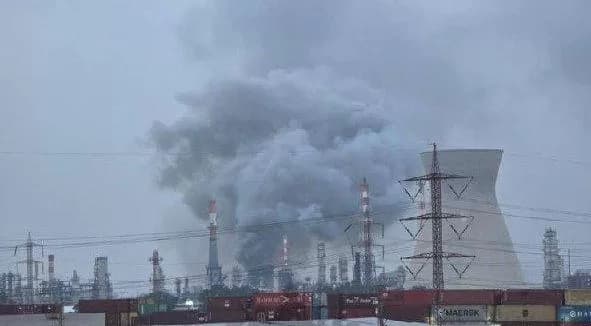
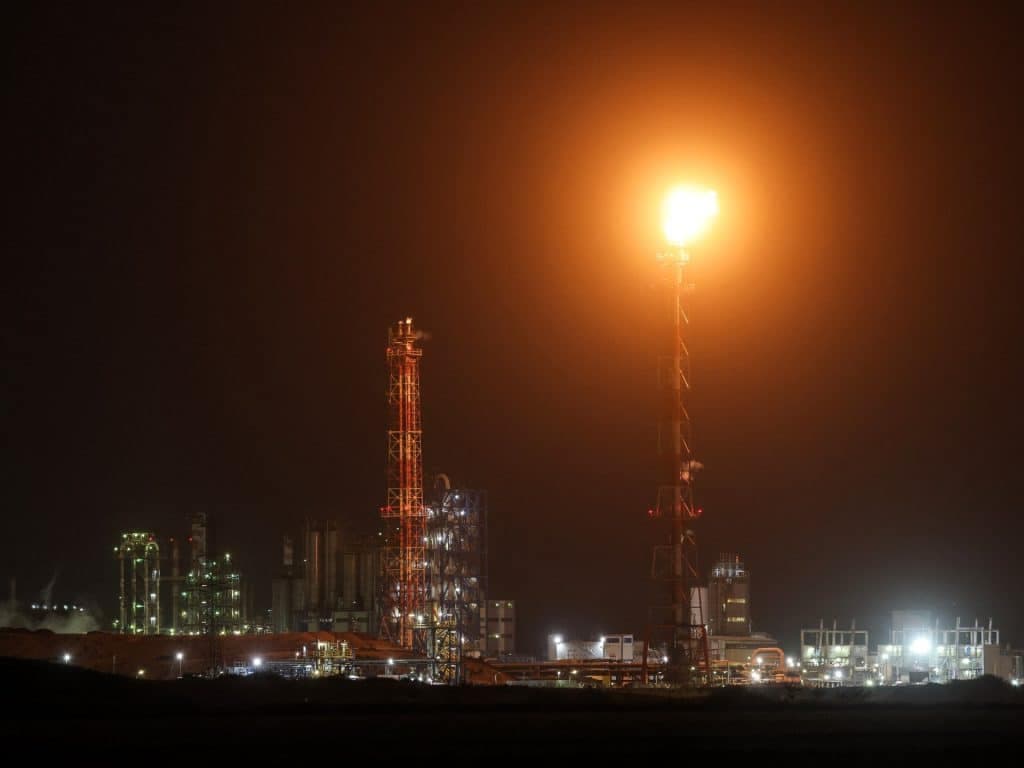
The attacks caused limited but measurable damage to Israeli infrastructure, with missiles striking the Haifa oil refinery complex and causing brief power disruptions.
One of the ballistic missiles launched from Iran carried a cluster bomb warhead, creating multiple impact locations across the Haifa area.

Israel's Energy Ministry reported that while the attack affected the Oil Refineries complex in the port city, the impact was not considered substantial.
Energy Minister Eli Cohen emphasized that 'the damage to the power grid in the north is localized and not significant.'
The Israel Electric Corporation confirmed that shrapnel damaged a transmission line serving the Haifa region, leading to temporary power loss, though electrical service was fully restored to all affected customers within approximately 45 minutes.
Iranian state media claimed the strikes successfully targeted 'security targets and military support centres of the Zionist regime' with 'pinpoint missiles.'
Emergency Response
Emergency services responded to the attacks with significant resources, deploying 15 firefighting teams to the Bazan refinery site in Haifa.
“Iranian Missile Attack on Haifa's Oil Refineries Causes Minor Damage An Iranian missile strike targeted Israel's Oil Refineries in Haifa, causing minor damage”
Fire and Rescue Services crews worked to put out a fire at the site, securing the location and monitoring conditions to assess a possible hazardous materials incident.
Israel's Ministry of Environmental Protection indicated that fragments from an intercepted missile fell within Haifa city limits and are being assessed as potentially hazardous material.
Despite the intensity of the attacks, authorities confirmed no injuries resulted from the strikes affecting the refinery.
In nearby Yokneam, a vehicle was hit by shrapnel and one person sustained light injuries, while several individuals in Shfaram were treated for shock at another impact site.
Magen David Adom reported no serious injuries in Haifa, though the environmental concerns prompted Director General Rami Rozen of the Environmental Protection Ministry to arrive at the refinery with emergency teams to assess conditions.
Political Response
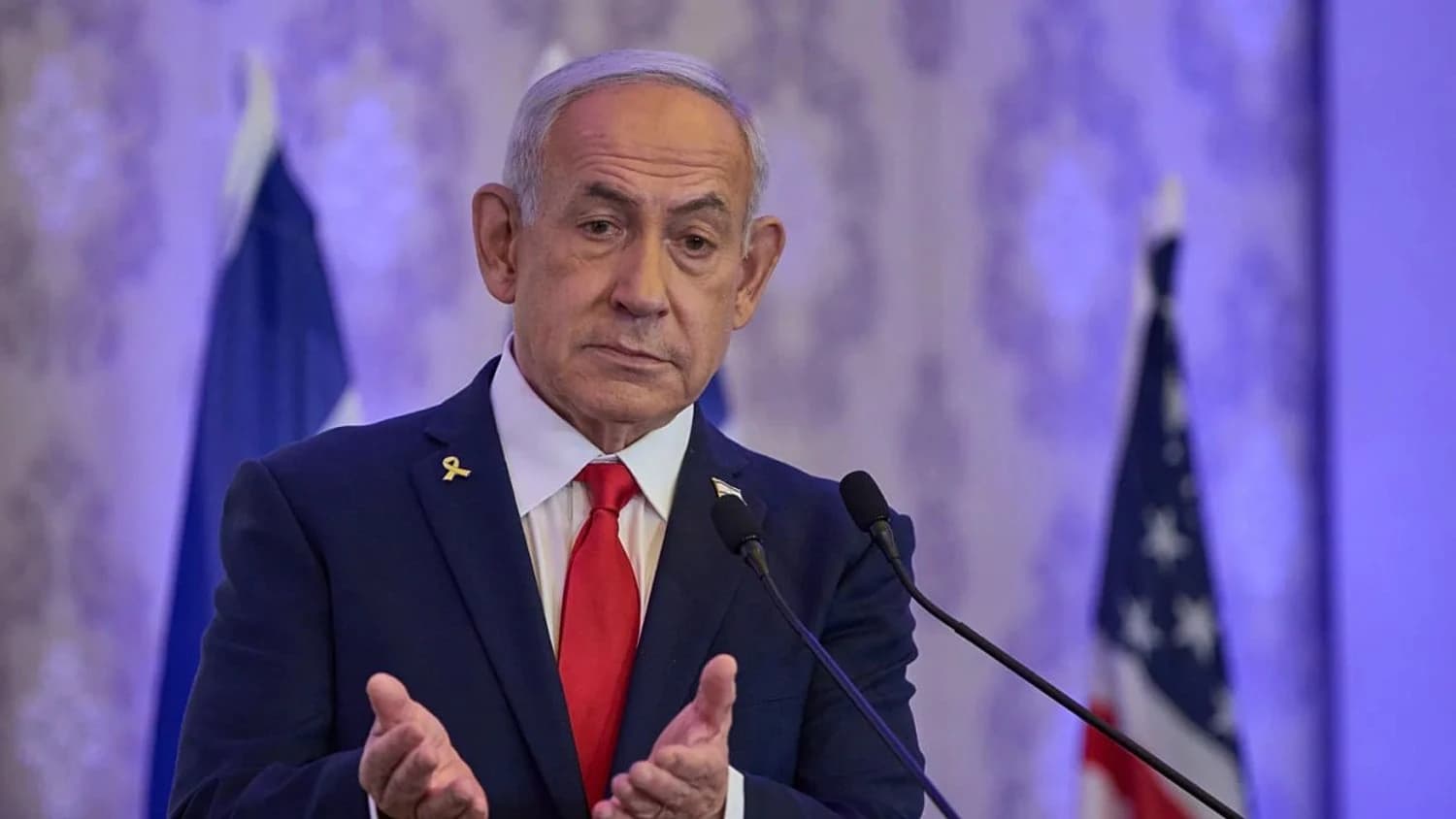
Prime Minister Benjamin Netanyahu addressed the escalating conflict during a press conference, rejecting concerns that eliminating Iran's supreme leader Ali Khamenei might empower an even harder-line regime leadership.
Netanyahu emphasized that Iran was experiencing internal fractures, stating 'Twenty days into the war, we're seeing cracks... not only in the top command; we're seeing cracks in the field' and describing the regime as 'a hollowed-out, rotten piece of wood that's holding on the outside, but there's a lot of rot inside.'

The Prime Minister claimed there were signs of 'fear and trepidation in the IRGC units that are manning the ballistic missiles' and suggested that Israel's strategy of targeting Iranian leadership was creating uncertainty.
Meanwhile, European Union leaders called for de-escalation in the region and a moratorium on striking critical infrastructure during their Brussels summit, expressing concerns about the impact of the Iran war on the global economy and energy prices.
Regional Context
The attacks occurred against a backdrop of broader regional tensions and refugee dynamics, with Turkey reporting a significant drop in Iranian citizens crossing into the country since the war began.
“Police said bomb disposal units were at several sites in Haifa where munitions landed”
Turkey's Interior Minister Mustafa Ciftci stated that 'Since the start of the war, our citizens have been able to cross into Iran without restriction; however, Iran has imposed restrictions on its own citizens and is not letting them cross to our side,' noting a fall of 'a quarter or almost a third in the number of Iranian citizens crossing into Turkey.'
This development came despite initial fears that an attack on Iran could destabilize the entire region and unleash an influx of refugees.
The attacks also followed a previous incident in June 2025 when Iranian missiles struck the same Haifa refinery complex, resulting in three fatalities and forcing temporary operations to cease.
This historical context highlighted the ongoing vulnerability of Israel's energy infrastructure to Iranian retaliation and the cyclical nature of the conflict between the two nations.
More on Iran

Iran Attacks Kuwaiti Oil Refinery as Tehran Steps Up Gulf Attacks
21 sources compared

Police Scotland Arrest Iranian Man and Woman After Breach Attempt at Faslane Nuclear Submarine Base
14 sources compared

Israel strikes South Pars gas field; Iran attacked Gulf energy sites
38 sources compared
Iran Targets Gulf Oil and Gas Facilities
74 sources compared