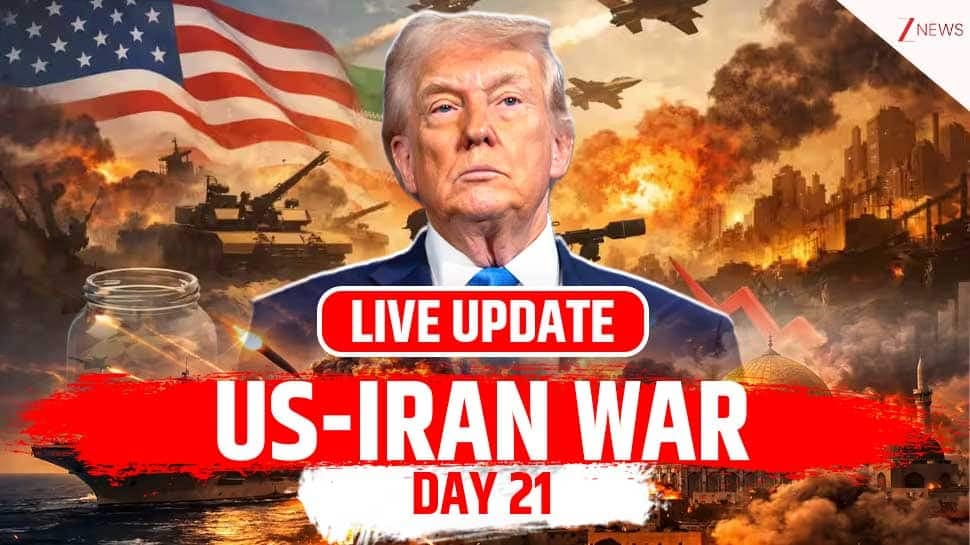
Iran Attacks Gulf Refineries After Israeli Gas Field Strike
Key Takeaways
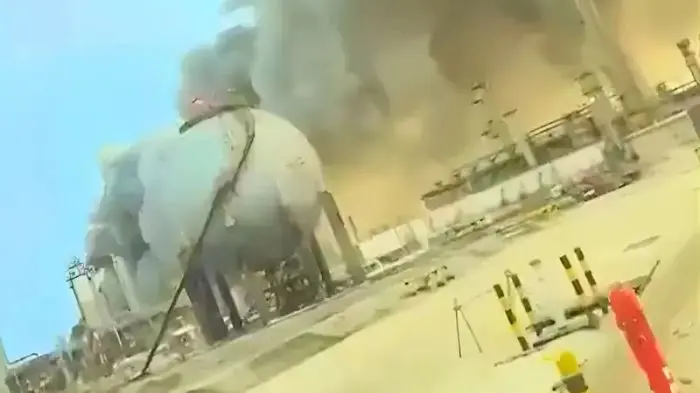
- Drones strike Kuwait's Mina Al-Ahmadi refinery, sparking fires across units.
- Two Kuwaiti refineries were hit by drones, causing limited fires with no injuries.
- Yanbu's SAMREF refinery and Ras Laffan energy facility targeted in broader Gulf strikes.
Conflict Escalation
The conflict between Iran and Israel escalated dramatically when Israel launched strikes on Iran's South Pars gas field, the world's largest natural gas field located in the Persian Gulf and jointly owned with Qatar.
“Drones have struck Kuwait’s largest oil refinery for the second day as Iran launched a sweeping assault on energy infrastructure across the Gulf, while explosions boomed over Tehran from Israeli attacks as the country marked the Persian New Year”
This attack directly threatened Iran's energy security, as approximately 80% of Iran's power generation comes from natural gas according to the International Energy Agency.

In response, Iran intensified attacks on oil and gas facilities across Gulf Arab states, marking a significant broadening of the conflict beyond direct military confrontation between Iran and Israel/US forces.
The New York-based Soufan Center noted that 'Israel's target selection in this war has heavily focused on the institutions, leaders and infrastructure,' specifically seeking to 'inflict additional pressure on the regime by making the living conditions for civilians intolerable.'
Iranian President Masoud Pezeshkian condemned the strike on South Pars, warning of 'uncontrollable consequences' that 'could engulf the entire world,' while Iran's Supreme Leader Ayatollah Mojtaba Khamenei called for Iran's enemies to have their 'security' taken away.
Energy Infrastructure Attacks
Iran's retaliatory campaign targeted multiple critical energy infrastructure facilities across Gulf states, causing extensive damage and disrupting global energy supplies.
Qatar's Ras Laffan Industrial City, the world's largest liquefied natural gas (LNG) terminal, suffered 'extensive damage' in Iranian attacks, wiping out roughly 17% of global LNG supply and costing an estimated $20 billion in annual revenue.

QatarEnergy chief Saad al-Kaabi stated that repairs could take between three and five years, noting the destruction had set the region back '10 to 20 years.'
Kuwait's Mina Al-Ahmadi refinery, capable of processing 730,000 barrels of oil per day, was hit twice, sparking fires that emergency crews worked to control.
Saudi Arabia reported intercepting multiple drones targeting its oil-rich Eastern Province, while the UAE shut down gas facilities at Habshan and the Bab oil field after debris from intercepted missiles fell on the sites.
The Islamic Revolutionary Guard Corps also claimed strikes against oil refineries in Israel's Haifa and Ashdod ports.
Global Energy Impact
The attacks on Gulf energy infrastructure have triggered severe disruptions in global energy markets and supply chains, with oil and gas prices soaring worldwide.
“Please contact us for subscription options”
Brent crude oil prices spiked more than 60% since Israel and the US started the war with Iran, briefly reaching over $119 per barrel before easing to around $107 in Friday trading.
European natural gas prices have more than doubled since the conflict began, with UK gas prices soaring over 20% to 171p per therm after fresh strikes hit energy infrastructure.
Iran's closure of the Strait of Hormuz, through which about a fifth of the world's oil and LNG passes, has created significant bottlenecks in global energy transportation.
The conflict has forced governments across Asia to implement electricity rationing and reduce office hours, while airlines including Cathay Pacific have cancelled flights to Dubai and Riyadh up until April 30 due to safety concerns.
The economic impact extends beyond energy, affecting everything from computer chips to fertilizer supplies that depend on stable Gulf shipping routes.
Humanitarian Crisis
The escalating conflict has resulted in significant human casualties and displacement, creating a growing humanitarian crisis across the region.
More than 1,300 people have been killed in Iran during the war, while Israeli strikes against the Iranian-backed Hezbollah militant group in Lebanon have displaced more than 1 million people—roughly 20% of Lebanon's population.

The Lebanese government reports that more than 1,000 people have been killed in Israeli strikes, while Israel claims it has killed more than 500 Hezbollah militants.
In Israel, 15 people have been killed by Iranian missile fire, and four people were also killed in the occupied West Bank overnight by an Iranian missile strike.
At least 13 U.S. military members have been killed. Iran has also executed three men detained in January's nationwide protests, the first such sentences known to have been carried out according to Iran's judiciary's Mizan news agency.
The conflict has also impacted civilians in other Gulf states, with fires breaking out in Kuwait and debris causing warehouse fires in Bahrain.
Diplomatic Responses
Regional and international responses to the escalating conflict have been mixed, with diplomatic efforts underway to contain the crisis while military tensions continue to rise.
“Saudi Aramco refinery hit by drone attack amid Iran tensions A major oil refinery operated by Saudi Aramco has come under attack in Saudi Arabia, raising fresh concerns over regional stability and global energy security, AzerNEWS reports, citing foreign media”
The United Nations Security Council held an urgent closed-door meeting on Thursday where Gulf nations called on Iran to halt attacks on regional targets.
Arab nations issued a joint statement condemning Iran's 'deliberate attacks' on residential areas, civilian infrastructure and diplomatic premises, while also condemning Israel's 'aggression' against Lebanon and what they call its 'expansionist policy in the region.'
The UAE disrupted what it called 'a terrorist network funded and operated by Lebanon's Hezbollah and Iran,' arresting its operatives.
The Trump administration has fast-tracked $16 billion in arms sales to Gulf allies, bypassing Congress through emergency provisions.
Meanwhile, President Trump distanced himself from Israel's strike on South Pars, saying Washington 'knew nothing' about it, but warned that if Iran continued attacks against Qatar, US forces would 'massively blow up the entirety' of the South Pars field.
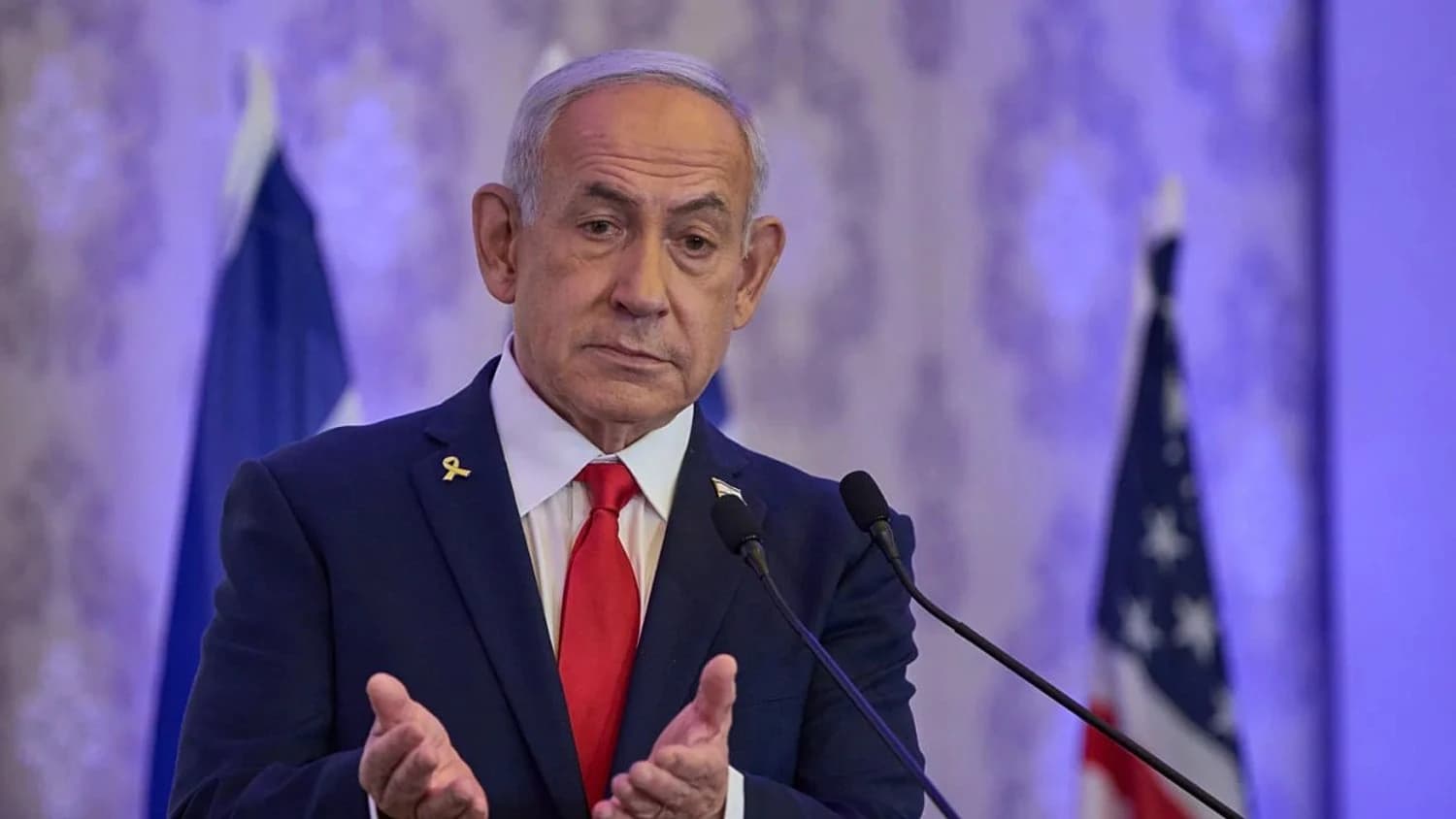
Israel's Prime Minister Benjamin Netanyahu claimed Iran's capability to produce ballistic missiles had been taken out, though Iran's Revolutionary Guard insisted they were 'still in production' and had 'no intention of seeking a quick end to the war.'
Ongoing Escalation
The conflict continues to escalate with fresh attacks occurring even as major religious holidays are being observed.
Iran launched further attacks on Iran overnight, with explosions shaking Tehran as Iranians marked Nowruz, the Persian New Year.
Israeli Prime Minister Benjamin Netanyahu declared that Iran no longer can enrich uranium or make ballistic missiles, but Iran's Revolutionary Guard spokesman Gen. Ali Mohammad Naeini defiantly stated they are 'producing missiles even during war conditions, which is amazing.'
The UAE reported incoming missile and drone threats during Eid al-Fitr celebrations, with Dubai experiencing heavy explosions as air defenses intercepted incoming fire.
Saudi Arabia said it shot down multiple drones targeting its oil-rich Eastern Province.
The Pentagon is seeking $200 billion in additional funds for the Iran war, having sent the request to the White House according to a senior administration official.
Meanwhile, Israel's military said it had begun to strike Tehran, and activists reported hearing strikes around Tehran after Israel's announcement of a new wave of attacks.
More on Iran

Iran Attacks Kuwaiti Oil Refinery as Tehran Steps Up Gulf Attacks
21 sources compared

Police Scotland Arrest Iranian Man and Woman After Breach Attempt at Faslane Nuclear Submarine Base
14 sources compared

Israel strikes South Pars gas field; Iran attacked Gulf energy sites
38 sources compared
Iran Targets Gulf Oil and Gas Facilities
74 sources compared