
Iran Attacks Gulf Energy Facilities as Oil Could Hit $180
Key Takeaways
- Drones struck Kuwait's largest refinery, sparking fires on a second consecutive day.
- Oil prices surged; Brent briefly near $119 per barrel amid Gulf attacks.
- Israel strikes Tehran as Iran attacks Gulf facilities, widening regional spillover.
Strategic Retaliation
Iran has launched a systematic campaign of attacks on Gulf energy infrastructure in retaliation for Israeli strikes on its South Pars gasfield.
“Drones have struck Kuwait’s largest oil refinery for the second day as Iran launched a sweeping assault on energy infrastructure across the Gulf, while explosions boomed over Tehran from Israeli attacks as the country marked the Persian New Year”
The South Pars gasfield supplies 80% of Iran's domestic natural gas needs, making it a critical strategic target.

These attacks represent a strategic escalation designed to weaken Gulf economies and disrupt US alliances.
The Islamic Revolutionary Guard Corps (IRGC) has targeted multiple facilities including Qatar's Ras Laffan LNG terminal.
Saudi Arabian refineries and Kuwait's Mina Al-Ahmadi oil refinery have also been struck in the campaign.
The attacks have caused severe damage and disrupted energy flows across the entire region.
Economic Impact
The economic impact on Gulf states has been severe with potential GDP drops of 14% for Qatar and Kuwait.
Financial analysts estimate these losses would occur if the war continues until the end of April.

Iran has closed the Strait of Hormuz, disrupting about a fifth of the world's oil and LNG supplies.
The closure has sent energy prices surging globally.
QatarEnergy chief Saad al-Kaabi estimates Ras Laffan LNG terminal damage at $20 billion in annual revenue.
Repairs could take three to five years, setting the region back 10 to 20 years developmentally.
Price Surge
Oil prices have surged dramatically, with Brent crude increasing from around $68 to nearly $100 since February 27.
“Trump’s platform of reducing the inflation seen under the Biden administration was a key part of the election campaign that successfully returned him to the White House”
Saudi officials are now warning that prices could reach as high as $180 a barrel if disruptions persist.
The price rise is driven by both Strait of Hormuz disruptions and direct attacks on Gulf energy infrastructure.
Analysts note that oil prices around $138 a barrel would push global recession probability above 50%.
The current baseline recession probability is around 32% over the next 12 months.
Options markets are increasingly pricing in higher oil scenarios, with interest in Brent reaching $130-$150.
Escalation Phase
The conflict has entered a dangerous escalation phase with reciprocal attacks intensifying across the region.
Iran has launched multiple missile and drone barrages against Israel during Nowruz celebrations.

Explosions were heard in Tehran as Iranians marked the Persian New Year.
Israel has responded with airstrikes targeting infrastructure 'in the heart of Tehran'.
Israel has also expanded attacks to Syria in response to attacks on the Druze population.
The conflict has resulted in significant casualties including 13 US military members killed.
Over 1,300 people have been killed in Iran and 1 million displaced in Lebanon.
Gulf leaders are struggling to maintain stability as attacks escalate.
International Response
International efforts to de-escalate the conflict have intensified across multiple diplomatic channels.
“Saudi warns oil could hit $180, supply shock raises recession risks”
The European Union has called for the reopening of the Strait of Hormuz.

The EU also called for a moratorium on strikes targeting energy and water infrastructure.
The EU expressed concern about the far-reaching impact on economic stability.
France, Britain, Germany, Italy, the Netherlands, Japan and Canada issued a joint statement condemning Iran's attacks.
They called for an end to mine-laying, missile and drone attacks on commercial vessels.
Iran's new supreme leader, Ayatollah Mojtaba Khamenei, has vowed that enemies' 'security must be stripped'.
This statement comes in response to the killing of Iranian officials by Israel.
More on Iran

Iran Attacks Kuwaiti Oil Refinery as Tehran Steps Up Gulf Attacks
21 sources compared

Police Scotland Arrest Iranian Man and Woman After Breach Attempt at Faslane Nuclear Submarine Base
14 sources compared

Israel strikes South Pars gas field; Iran attacked Gulf energy sites
38 sources compared
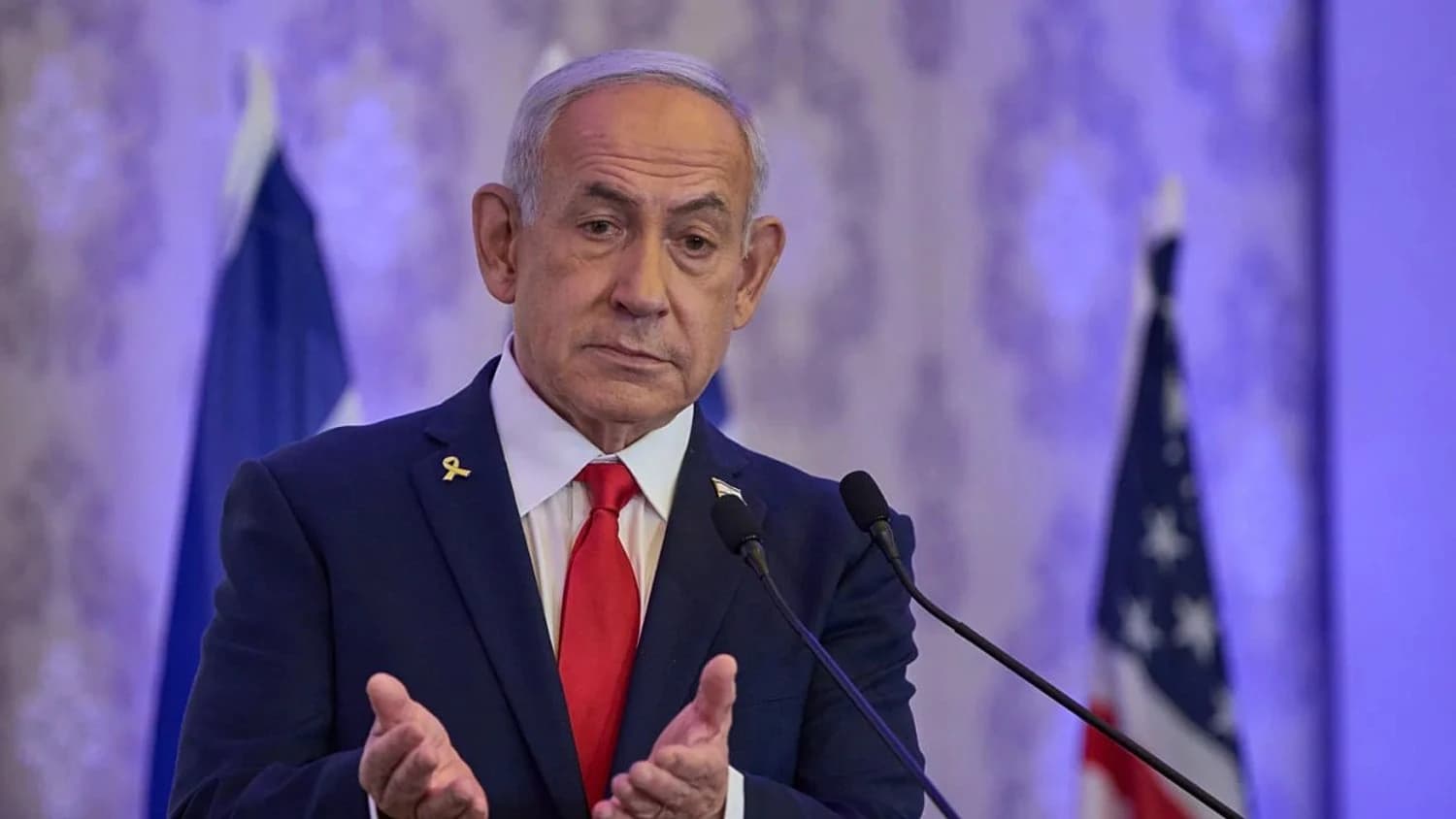
Iran Targets Gulf Oil and Gas Facilities
74 sources compared