
Iran Arrests Those Who Try to Bypass Internet Blockade as U.S.-Israel War Rages
Key Takeaways
- Iran imposes near-total internet blackout during war with the U.S. and Israel.
- U.S. and Israeli airstrikes continue across Iran amid the conflict.
- Residents inside Iran share life under blackout via voice memos amid restrictions.
Internet Blackout Scale
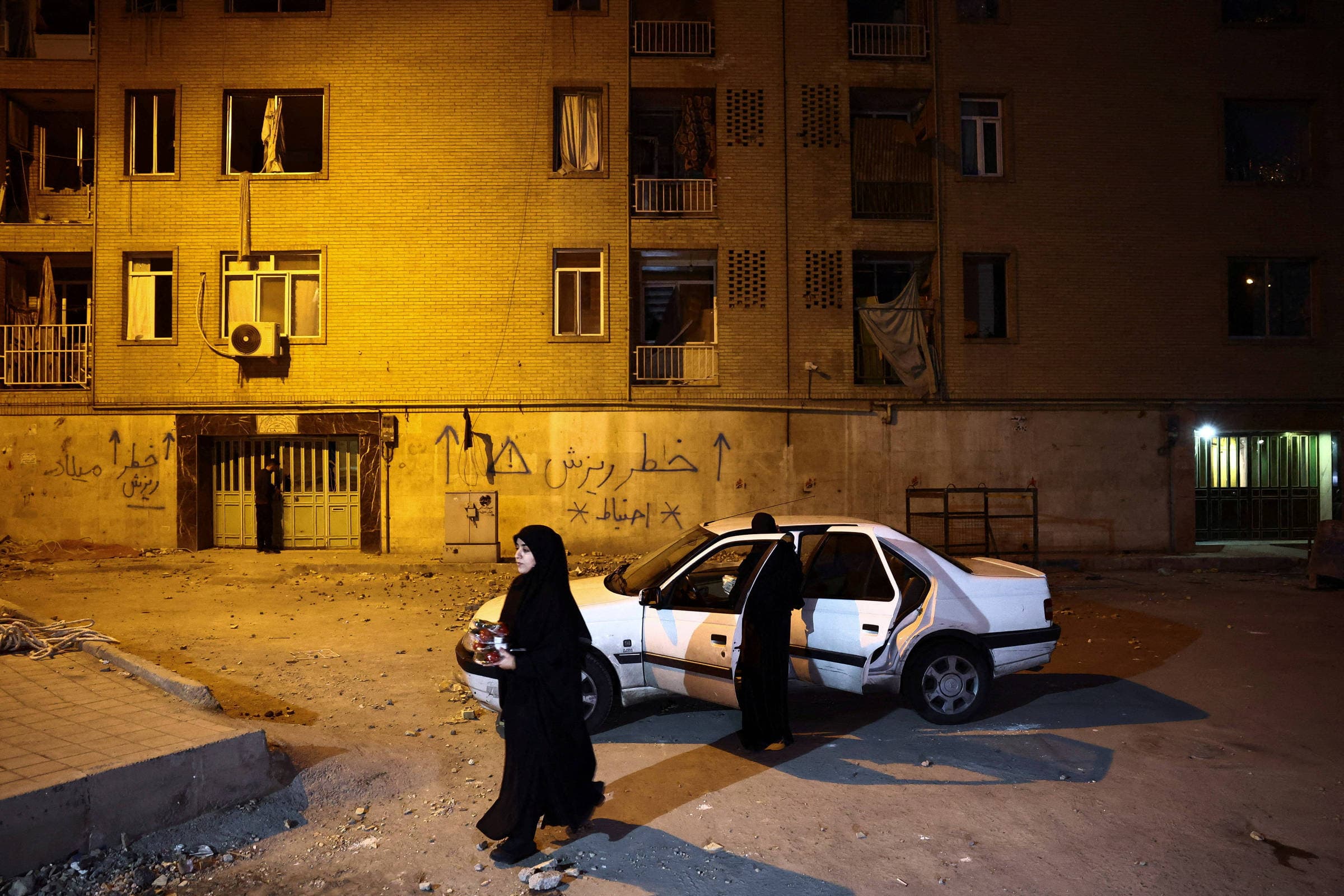
Iran has imposed a near-total internet blackout affecting approximately 99% of its 92 million inhabitants during the third week of war with U.S. and Israeli airstrikes.
“For 19 days, the majority of Iran's 92 million inhabitants have been isolated from the outside world, according to monitoring groups that track internet censorship in the country, while the regime tries to suppress communication and maintain control over the population during the period of war”
The regime has systematically suppressed communication channels while criminalizing and disabling alternative methods of connecting to the outside world.
According to internet monitoring data, domestic websites and basic services continued functioning normally for the first two weeks before experiencing disruptions.
Even regime-approved 'super apps' became temporarily inaccessible, indicating the severity of the information control measures.
The blackout represents one of the most comprehensive internet shutdowns in recent history, effectively isolating the Iranian population.
This isolation prevents Iranians from accessing evacuation notices or understanding the full scope of military operations affecting different regions.
Security Crackdown Intensifies
Security forces across Iran have intensified crackdowns on citizens attempting to bypass the internet blockade.
They conduct systematic searches at checkpoints and target individuals suspected of using virtual private networks or other circumvention tools.
In Tehran, security forces are stopping people and demanding to inspect their phones specifically for applications designed to overcome internet censorship.
Reports indicate that security forces have relocated from their regular stations to occupy civilian buildings including schools, hospitals, mosques, and sports stadiums.
This has created a pervasive militarized atmosphere in cities near conflict zones.
The Revolutionary Guard and army have been working together for the first time, with most regime forces deployed to border cities.
Authorities send text messages warning citizens against joining potentially protest crowds.
They actively hunt down those communicating with foreign media outlets.
Communication Barriers
The internet blockade has created severe communication barriers for ordinary Iranians.
“For 19 days, the majority of Iran's 92 million inhabitants have been isolated from the outside world, according to monitoring groups that track internet censorship in the country, while the regime tries to suppress communication and maintain control over the population during the period of war”
It cuts them off from both external information and basic connectivity that many depend on for work, education, and maintaining relationships.
International calls have been blocked, making it financially unfeasible for many to communicate with relatives and friends abroad.
Younger Iranians, particularly those whose livelihoods and social lives depend on internet access, have been forced to turn to expensive and unreliable virtual private networks.
The black market for VPN configurations has exploded since the blockade began.
Prices range from 300,000 to 1.5 million Iranian tomans per gigabyte of data—equivalent to what an average family spends on food for several days.
Iranian exiles report a dramatic drop in communication with contacts inside the country.
A Philadelphia-based professor noted that 'the flow of messages from people she knows inside Iran dropped sharply by the third day of the war.'
Regime Justifications
Iranian authorities have defended the unprecedented internet blackout as necessary security measures during wartime.
Foreign Minister Abbas Araghchi claimed the restrictions were implemented 'for security reasons' and that 'in any country, urgent measures are taken in times of war.'
However, the minister's defense was highlighted by significant contradictions, as he conducted his interview via Zoom—a platform inaccessible to most Iranians.
He claimed to be 'the voice of the Iranians' while defending their rights.
The regime's information control strategy appears designed to prevent citizens from accessing real-time information about airstrikes and evacuation warnings.
It also limits their ability to document and share the reality of conditions on the ground.
Critics argue that the blackout represents a dual war strategy.
Iranians face both external military attacks and internal repression through information siege.
This effectively silences ordinary citizens' ability to communicate their experiences and access critical safety information.
Citizen Resistance
Despite the severe restrictions and risks, some Iranians continue to find ways to communicate their experiences to the outside world.
“For 19 days, the majority of Iran's 92 million inhabitants have been isolated from the outside world, according to monitoring groups that track internet censorship in the country, while the regime tries to suppress communication and maintain control over the population during the period of war”
Voice memos and other covert communication methods provide rare glimpses into life under the combined pressures of airstrikes and information blockade.
A 28-year-old Tehran resident described living in constant terror, being jolted awake nightly by explosions and bombs raining down on the city.
Security forces conduct widespread phone inspections at checkpoints.
In border cities like Baneh near the Iran-Iraq border, residents report an extreme militarization with security forces occupying civilian infrastructure.
This creates an atmosphere of pervasive surveillance.
Remarkably, some Iranians—including a 17-year-old girl in Tehran who spoke despite fear of reprisals—express support for continued U.S. and Israeli military action.
This support exists despite the destruction and casualties, indicating complex and divided sentiments within the Iranian population.
These sentiments exist amid the dual crises of external war and internal repression.
More on Iran

Iran Attacks Kuwaiti Oil Refinery as Tehran Steps Up Gulf Attacks
21 sources compared

Police Scotland Arrest Iranian Man and Woman After Breach Attempt at Faslane Nuclear Submarine Base
14 sources compared

Israel strikes South Pars gas field; Iran attacked Gulf energy sites
38 sources compared
Iran Targets Gulf Oil and Gas Facilities
74 sources compared