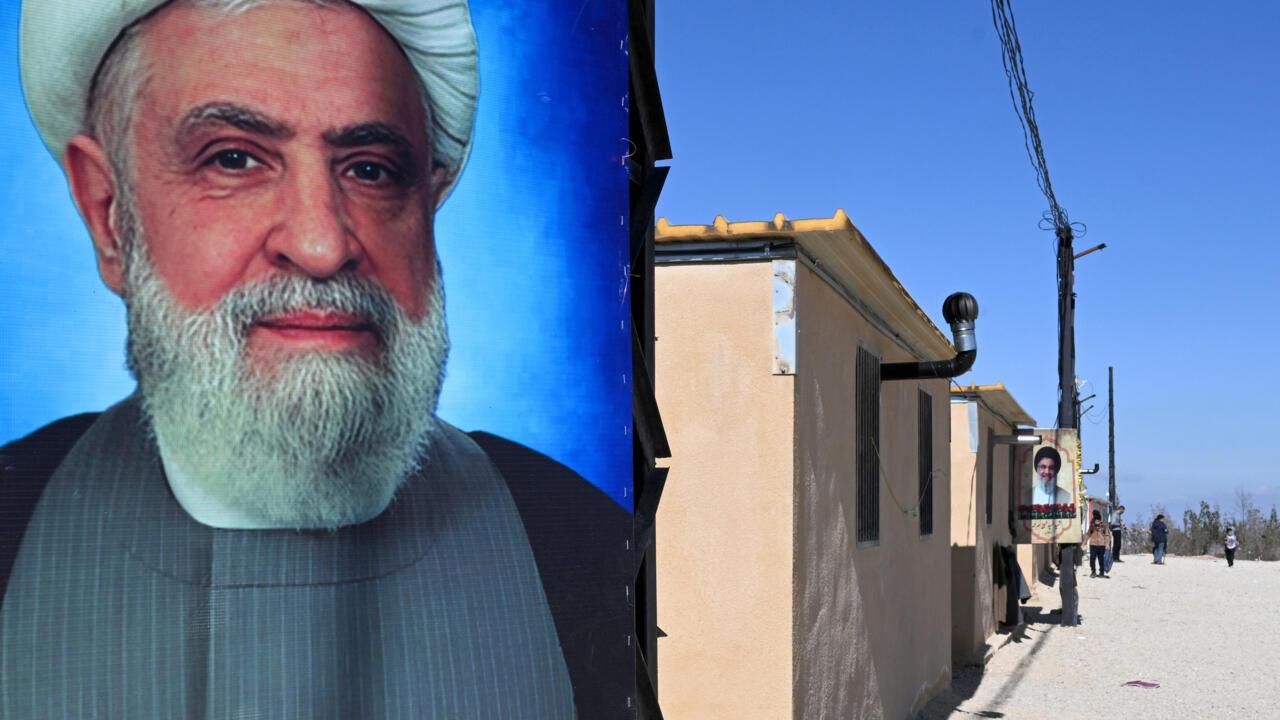
Hezbollah Rejects Israel-Lebanon Ceasefire, Demands Israeli Withdrawal After Strikes Kill Four
Key Takeaways
- Hezbollah rejected the US-backed Israel-Lebanon ceasefire plan.
- Hezbollah demanded a complete Israeli withdrawal from Lebanon.
- Ceasefire conditioned on Hezbollah halting attacks and withdrawal.
Ceasefire rejected in Lebanon
Hezbollah rejected the latest ceasefire agreement between Israel and the Lebanese government, demanding a complete Israeli withdrawal from Lebanon as Israeli strikes killed at least four people and a U.N. peacekeeper was killed in the crossfire.
“Israel has continued to carry out deadly strikes across Lebanon despite the announcement of a new US-brokered ceasefire agreement reached by Lebanese and Israeli officials in Washington, DC”
Hezbollah leader Naim Kassem said in a written statement read on TV that the negotiations were “absurd, humiliating and insulting,” and he argued the agreement’s demand that Hezbollah fighters leave southern Lebanon under fire would mean “surrender, defeat and achieving the enemy’s goals.”

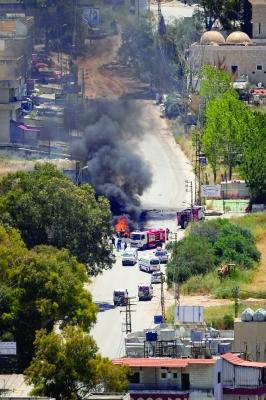
The AP reported that drone alert sirens sounded in northern Israel, including Shlomi, after Hezbollah’s statement, and the Israeli military said the sirens were triggered by attempts to intercept drones that hit near soldiers in southern Lebanon.
The fighting also continued as Lebanese troops began moving Thursday afternoon into the southern village of Dibbine in coordination with U.N. peacekeepers after Israeli forces left the area, state-run media reported.
AP said the fighting in Lebanon, where Israeli forces have seized large swaths of the south, threatens efforts to end the Iran war and reopen the Strait of Hormuz, a key transit point for oil and gas.
Evacuation warnings and disputes
Hezbollah’s rejection came as Lebanese media reported Israeli strikes on the country’s south, and CBS News said the rejection was tied to the truce’s creation of “pilot” security zones inside Lebanon where Hezbollah would be banned.
CBS News also reported that Israeli military Arabic-language spokesman Avichay Adraee warned residents of six towns and villages including Sarafand to immediately evacuate, and it said the warnings were accompanied by reports of mass displacement from the three villages north of the Litani River.
In Israel, Ynetnews reported that Prime Minister Benjamin Netanyahu told ministers that “At the moment there is no agreement,” and it quoted Energy Minister Eli Cohen saying, “We need to tell ourselves the truth,” as the security cabinet debated the ceasefire.
Ynetnews said ministers were informed of the death of Capt. Eitan Shmuel Lamberg, an Armored Corps officer killed in southern Lebanon, and it described opposition to pursuing a ceasefire as the debate continued.
The BBC reported that Israel issued evacuation warnings to towns in southern Lebanon including عرنابة وعنقون, and it said the Lebanese National News Agency correspondent in the Zahrani area reported a heavy displacement from those towns after the warning.
Humanitarian strain and next steps
As the ceasefire remained contested, CBS News said the U.N. more than doubled its aid appeal for Lebanon to nearly $640 million over six months, warning that “The humanitarian crisis in Lebanon is severe and deteriorating.”
CBS News reported that OCHA said another $331 million would be needed through the end of August after the initial appeal for $308 million in March, and it said only $185 million had so far been received out of the initial appeal.
The BBC said Lebanon prepared to launch an urgent humanitarian appeal and reported that Lebanese President Joseph Aoun met with Omran Reza, the deputy UN special coordinator and the UN resident and humanitarian coordinator in Lebanon, to discuss preparations in light of the latest developments.
DW reported that UN Secretary-General Antonio Guterres condemned the killing of a Serbian peacekeeper in southern Lebanon and called for those responsible to be brought to justice, saying “Seven peacekeepers serving with UNIFIL have now been killed & several more have been wounded since the escalation in hostilities since March this year.”
In the midst of the diplomatic standoff, Al Jazeera reported that Hezbollah leader Naim Qassem dismissed the ceasefire as a “farce” and warned that northern Israel would remain a target as long as Israeli forces continued bombing Lebanon.
More on Lebanon
Israel Strikes Southern Lebanon After Forced Evacuations, Killing Six
14 sources compared
Joseph Aoun Tells Iran to Stop Using Lebanon as a Bargaining Chip
36 sources compared

Israel Katz Says Israel Will Continue Operations as Hezbollah Rejects U.S.-Brokered Ceasefire
15 sources compared
Hezbollah Rejects Israel-Lebanon Ceasefire, Demands Complete Israeli Withdrawal From Lebanon
42 sources compared