Hezbollah Evolves Into Iran-Backed Regional Power, Reshaping Lebanon's Regime
Key Takeaways
- Iran-backed Hezbollah becomes a regional power reshaping Lebanon's regime.
- Hezbollah's origins and ideology trace to Iran's Khomeinist revolution.
- Since 2013, Hezbollah expanded operations into the Syrian conflict.
Origins and Evolution
Hezbollah emerged in 1982 as an Iranian-backed resistance movement during Israel's occupation of Lebanon.
“Evolution of Hezbollah up to its intervention in the Syrian civil war in 2013”
The organization evolved from a militia into a multifaceted entity that operates simultaneously as a political party, social movement, and military force.
Founded as an alternative to the Lebanese state that it never recognized, Hezbollah successfully integrated itself into Lebanese state institutions.
This transformation allowed the organization to build legitimacy beyond its initial supporters of the Islamic Republic.
Hezbollah became the primary representative of Lebanon's Shiite community while maintaining its original anti-Israel resistance identity.
The organization's ability to exist in a 'gray area' between being an Iranian proxy and a legitimate resistance movement has been central to its enduring influence.
Political Takeover
Hezbollah's political interventions fundamentally reshaped Lebanon's regime by systematically weakening its political rivals.
The organization successfully paralyzed the March 14 forces through targeted attacks against their leaders.
“READING LIST Origin, ideology, operations: What to know about Hezbollah, child of the Khomeinist revolution Here is a selection from L'Orient Today's archives articles revisiting Hezbollah's basics”
This strategic weakening exploited divisions within the movement and their alignment with Saudi and US positions opposing Hezbollah.
Hezbollah's influence became so profound that it could prevent the election of a new head of state.
The organization ensured Parliament's mandate auto-extended, effectively controlling Lebanon's political agenda.
Hezbollah maintained its position as the protector of the Shiite community while dominating Lebanese politics.
Regional Expansion
Hezbollah's regional expansion accelerated with its 2013 intervention in the Syrian civil war.
“Evolution of Hezbollah up to its intervention in the Syrian civil war in 2013”
This marked a significant shift in the organization's strategic doctrine and operational scope.
The organization initially entered Syria to protect the Alawite regime, Iran's favored partner.
This intervention evolved into a comprehensive military presence providing battlefield experience.
Hezbollah gained control over strategic supply routes and expanded territorial influence.
Russia's military support provided essential air cover for Hezbollah's ground operations.
The organization maintained presence on multiple regional battlefields including Iraq and Yemen.
Iran Alliance
The Iran-Hezbollah alliance represents one of the most significant strategic relationships in the Middle East.
The relationship combines deep ideological, military, and financial integration between the entities.
“READING LIST Origin, ideology, operations: What to know about Hezbollah, child of the Khomeinist revolution Here is a selection from L'Orient Today's archives articles revisiting Hezbollah's basics”
Hezbollah officers describe the alliance as similar to that between a father and son.
Hezbollah regularly consults Iran's Supreme Leader Ayatollah Ali Khamenei for ideological guidance.
The alliance combines anti-Israeli resistance with Shiite religious ideology.
Iran provides comprehensive support including surface-to-air missiles and $60-200 million annually.
Thousands of Lebanese Shiites receive regular training in Iran.
Intelligence networks and operational capabilities remain interwoven between the organizations.
Regime Impact
Hezbollah's transformation has fundamentally reshaped Lebanon's political landscape and regime structure.
“Evolution of Hezbollah up to its intervention in the Syrian civil war in 2013”
The organization maintains both parallel and integrated state functions simultaneously.
This creates a hybrid governance model where Hezbollah challenges state authority while embedding itself within institutions.
Hezbollah's Syrian intervention triggered a doctrinal shift toward more sectarian identity.
This evolution has alienated Sunni communities who reject Hezbollah for supporting Assad's regime.
Despite tensions, Hezbollah maintains support through social security systems and low corruption.
The organization's regional military adventures have reshaped Lebanon's foreign policy and security calculus.
More on Lebanon

Israel Attacks Lebanon as Missile Lands Near RT Reporter
31 sources compared

Israel Attacks Beirut, Building Flattened; Death Toll Rises
10 sources compared
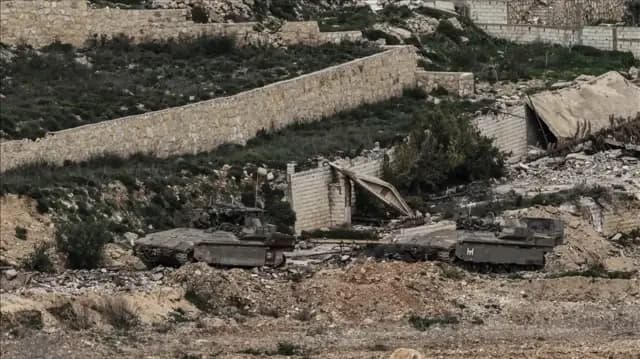
Israel Attacks Hezbollah Infrastructure in Beirut, Forcing Over 1 Million Lebanese to Flee
12 sources compared
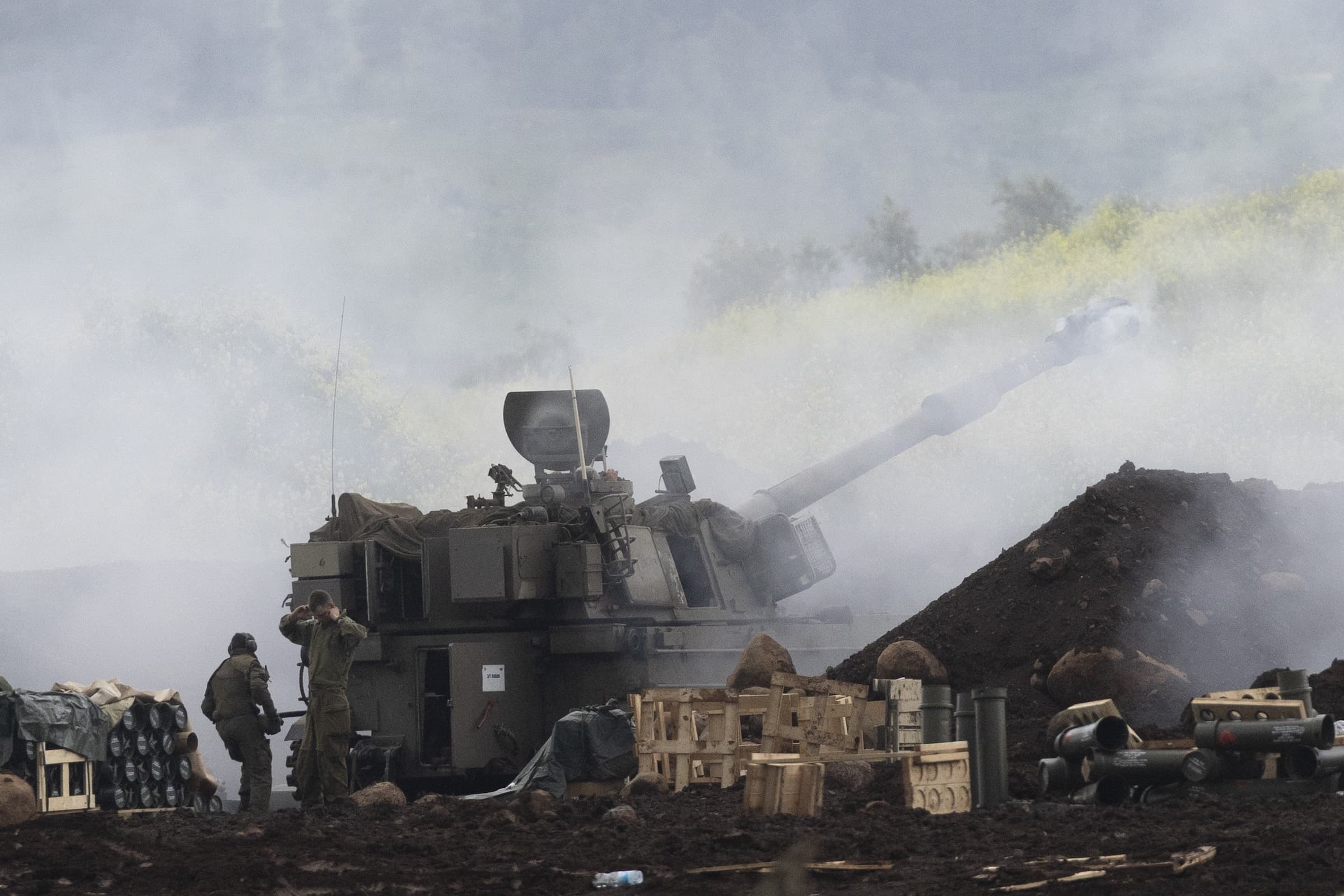
Israel Launches Ground Operation in Southern Lebanon to Target Hezbollah
10 sources compared