
Hezbollah Bombs Northern Israel as Residents Stay Put
Key Takeaways
- Hezbollah is bombing northern Israel again.
- Residents are staying in place rather than evacuating.
- Orna Weinberg, 60, remains in her home amid bombardment.
Resilient Returns
Thousands of Israeli residents are returning to northern communities despite ongoing Hezbollah missile attacks, creating a complex situation of resilience amidst persistent cross-border violence.
“Hezbollah is bombing northern Israel again”
Municipal data shows approximately 15,000 people—about 60% of those displaced—have returned to northern Israel since the conflict began, demonstrating a determination to maintain life in border communities despite the constant threat.
At Kibbutz Manara, residents navigate daily life with the sounds of Hezbollah missiles and Israeli artillery as constant companions, choosing to remain in their homes rather than being scattered in distant shelters.
This return movement reflects a broader strategy of maintaining Israeli presence in strategic border areas, though it comes with significant risks and psychological trauma for those living so close to enemy forces.
Daily Life Under Fire
The daily reality for northern Israeli residents involves living in extreme proximity to Hezbollah forces, with some describing the enemy fighters as close enough to "see what toothpaste I use."
Orna Weinberg, a 60-year-old farmer and doula at Kibbutz Manara, recounts how she moves through her house in darkness at night to avoid attracting attention from Hezbollah fighters just across the border.
The community has experienced more than 240 anti-tank missile strikes since October 2023, with Weinberg's own home being struck during the first month of the war, forcing her evacuation for two years.
Despite the destruction and ongoing danger, residents express a sense of relief and purpose in returning home, viewing displacement as "a huge trauma" and preferring to organize shelters locally rather than remain scattered.
Historical Context
The conflict in northern Israel has deep historical roots, predating even Hezbollah's emergence in the 1980s.
“Hezbollah is bombing northern Israel again”
Hezbollah formed during Israel's 18-year occupation of southern Lebanon, taking shape in response to Israel's 1982 invasion aimed at countering the Palestine Liberation Organization.
The group's 1985 manifesto explicitly declared the destruction of Israel as a key goal, and fighters successfully resisted Israeli occupiers, mounting casualties that fueled a domestic movement leading to unilateral Israeli withdrawal in 2000.
This historical context shapes current tensions, with the green ridges and lush orchards of northern Israel having served as a conflict zone for decades.
Casualty Figures
The ongoing conflict has produced significant casualties on both sides of the border, with starkly different reporting from respective authorities.
Lebanese authorities report that Israeli actions have killed more than 1,000 people, including 79 women and 118 children, while forcing more than 1 million people from their homes.
In contrast, the Israeli Defense Forces claim to have "eliminated more than 500 Hezbollah terrorists" and cite approximately 1,200 deaths from the October 7, 2023 Hamas-led attacks in southern Israel.
These casualty figures reflect the asymmetric nature of the conflict, with Israeli military operations targeting what they identify as militant infrastructure while Hezbollah primarily engages in rocket and drone attacks against northern Israeli communities.
Policy Debates
Israeli officials and residents offer diverse perspectives on how to address the ongoing conflict with Hezbollah.
“Hezbollah is bombing northern Israel again”
Brigadier General Hazoot, a senior researcher at the Institute for National Security Studies, assesses that Israeli operations since October 2023 have significantly damaged Hezbollah, "taking the Radwan Force's invasion capabilities off the table," though he warns against overly optimistic public messaging.
Meanwhile, Orna Weinberg expresses deep sadness at the prospect of an Israeli ground invasion of Lebanon, arguing that "the Iranian regime or its proxies can be defeated by military means alone is foolish" and criticizing the government for avoiding diplomatic solutions.
These perspectives reveal a tension between military and diplomatic approaches, with some advocating for continued military pressure while others urge negotiated settlements.
Psychological Impact
The psychological impact of living under constant threat manifests in various ways among northern Israeli residents.
Many describe a sense of trauma and adaptation to life under fire, with Weinberg noting she "learned to walk in a bomb shelter" growing up on the kibbutz.
Community infrastructure has evolved to address ongoing security concerns, with reinforced passageways connecting kindergartens to shelters and residents developing routines to minimize risks.
Despite the danger, many express determination to maintain normal life as much as possible, viewing their presence in the border communities as both a personal choice and a national imperative.
More on Lebanon

Israel Attacks Lebanon as Missile Lands Near RT Reporter
31 sources compared

Israel Attacks Beirut, Building Flattened; Death Toll Rises
10 sources compared
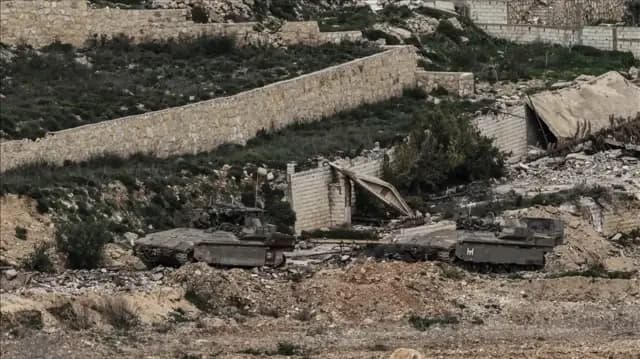
Israel Attacks Hezbollah Infrastructure in Beirut, Forcing Over 1 Million Lebanese to Flee
12 sources compared
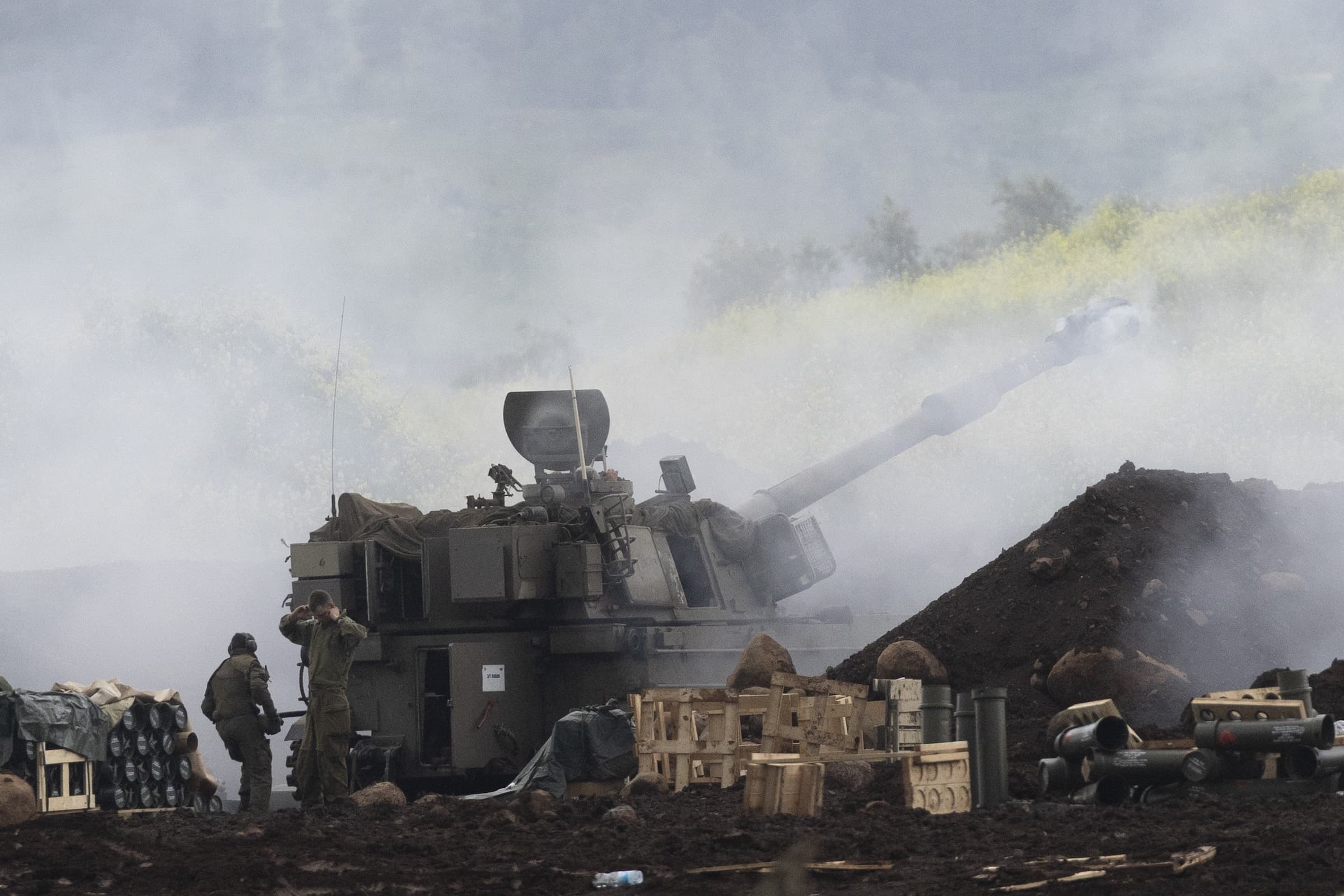
Israel Launches Ground Operation in Southern Lebanon to Target Hezbollah
10 sources compared